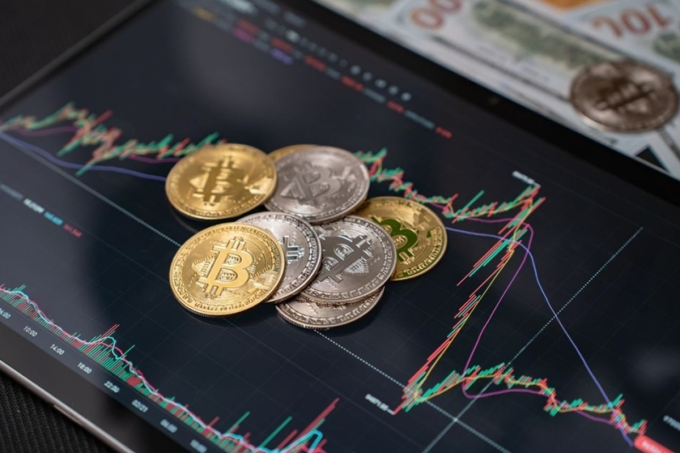
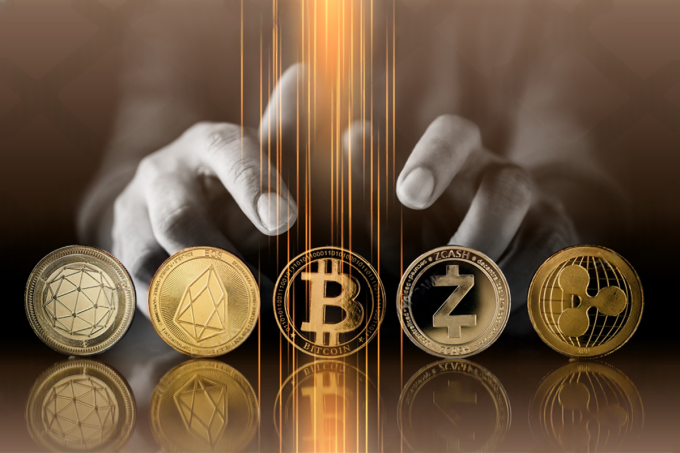
XRP has demonstrated notable resilience during a period of broad cryptocurrency weakness, outperforming Bitcoin, Ethereum, and Solana despite challenging market conditions. While the digital asset sector has faced declining prices driven by macroeconomic uncertainty and risk-off sentiment, XRP’s comparatively stronger performance has drawn renewed attention from institutional and retail investors seeking relative stability within a volatile market.
The development underscores an important characteristic of modern cryptocurrency markets: relative performance can sometimes be as significant as absolute gains. Even in declining environments, assets that lose less value or recover more quickly often attract increased institutional interest as investors rebalance portfolios and reassess sector leadership.
Relative Strength Distinguishes XRP During Market Weakness
During the recent market downturn, XRP outperformed several major cryptocurrencies, including Bitcoin, Ethereum, and Solana, by demonstrating greater price resilience. Although the broader market remained under pressure, XRP experienced comparatively smaller declines, allowing it to outperform many of its large-cap peers on a relative basis.
Relative strength is an important metric for institutional investors because it provides insight into capital rotation within financial markets. Assets that maintain value more effectively during corrections often indicate stronger underlying demand or reduced selling pressure compared with competing investments.
While outperforming during a declining market does not necessarily indicate the beginning of a sustained upward trend, it frequently attracts increased attention from quantitative investors and portfolio managers monitoring comparative performance metrics.
Market Dynamics and Capital Rotation Support Performance
Several factors may explain XRP’s relative resilience. As investors reduced exposure to higher-risk assets across the cryptocurrency sector, capital allocation appeared to become more selective, favoring assets perceived to possess stronger near-term catalysts or more attractive valuations.
Institutional investors increasingly evaluate cryptocurrencies not only on price momentum but also on liquidity, regulatory developments, ecosystem adoption, and transaction utility. XRP’s continued role in cross-border payment discussions and blockchain-based financial infrastructure may contribute to its ability to retain investor interest during volatile periods.
At the same time, broader market conditions—including monetary policy expectations, macroeconomic uncertainty, and fluctuations in investor risk appetite—continue to influence digital asset performance across the sector.
Investor Psychology Favors Assets Showing Defensive Characteristics
Behavioral finance suggests that investors often seek assets demonstrating relative stability when markets become volatile. During periods of widespread selling, assets that decline less than their peers can experience improved sentiment simply because they appear comparatively stronger.
This phenomenon may encourage additional buying interest as momentum-oriented traders identify outperforming assets while longer-term investors reassess portfolio allocations. However, professional investors typically distinguish between relative outperformance during corrections and evidence of a sustained structural trend.
The cryptocurrency market has historically experienced rapid shifts in leadership, making continuous evaluation of liquidity, trading volumes, and institutional participation essential when interpreting short-term performance differences among major digital assets.
Long-Term Outlook Depends on Broader Market Conditions
Although XRP’s relative performance has attracted attention, its future trajectory will remain influenced by factors extending beyond recent price comparisons. Regulatory developments, adoption of blockchain payment technologies, institutional investment flows, and overall cryptocurrency market sentiment will continue shaping valuation prospects.
Bitcoin and Ethereum remain the dominant assets within the digital ecosystem, while Solana continues expanding its decentralized application and blockchain infrastructure capabilities. Consequently, competition among major cryptocurrencies is increasingly driven by technological innovation and ecosystem growth rather than price movements alone.
Looking ahead, investors will monitor whether XRP can maintain its relative strength if broader cryptocurrency markets stabilize or recover. Trading volumes, institutional capital flows, macroeconomic developments, and blockchain adoption trends will all serve as important indicators of future performance. For sophisticated crypto investors, XRP’s recent resilience illustrates how comparative strength can influence market positioning, even during periods when the overall digital asset sector remains under significant pressure.
Comparison, examination, and analysis between investment houses
Leave your details, and an expert from our team will get back to you as soon as possible