Key Points
- U.S. lawmakers are advancing major cryptocurrency legislation covering market structure, taxation, and regulatory oversight as the election season approaches.
- The Commodity Futures Trading Commission (CFTC) is intensifying its focus on prediction markets, while courts continue issuing rulings that could redefine crypto regulation.
- Industry participants increasingly view regulatory clarity as the most important catalyst for the next phase of institutional adoption and market growth.
Crypto Regulation Takes Center Stage
The cryptocurrency industry is entering one of its most consequential regulatory periods in years as lawmakers, regulators, and courts simultaneously tackle some of the sector’s most important unresolved questions.
What many market participants are calling the “summer of crypto regulation” comes as Congress debates landmark legislation, federal agencies expand oversight efforts, and legal battles continue shaping the boundaries between traditional finance and digital assets.
While cryptocurrency prices often dominate headlines, regulatory developments may ultimately prove far more influential for the industry’s long-term trajectory.
The coming months could determine how digital assets are taxed, supervised, traded, and integrated into the broader financial system for years to come.
Congress Pushes Market Structure Reform
At the center of the legislative debate is the CLARITY Act, a proposal designed to establish a comprehensive framework for cryptocurrency regulation in the United States.
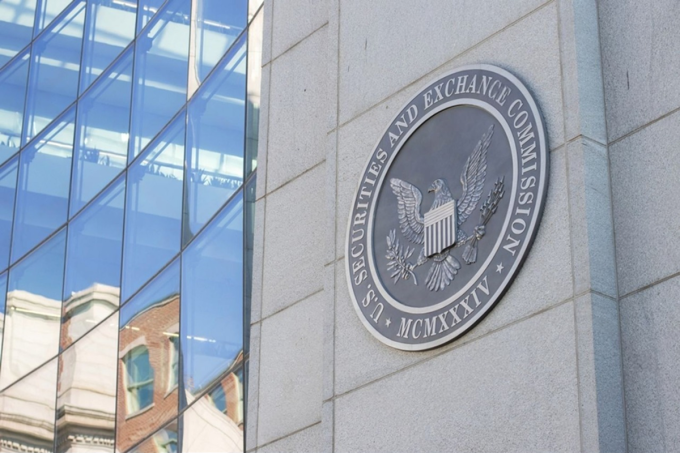
The legislation seeks to define the respective responsibilities of the Securities and Exchange Commission (SEC) and the Commodity Futures Trading Commission (CFTC), addressing one of the industry’s most persistent sources of uncertainty.
Supporters argue that clear jurisdictional boundaries would encourage innovation, attract investment, and prevent businesses from relocating overseas. Industry groups representing hundreds of crypto companies have recently intensified lobbying efforts, urging lawmakers to move the bill forward before political attention shifts toward upcoming elections.
At the same time, lawmakers continue debating provisions related to decentralized finance, developer protections, stablecoin oversight, and anti-money laundering requirements.
The outcome could significantly influence where the United States positions itself within the rapidly evolving global digital asset landscape.
Tax Policy Emerges as a Major Battleground
Taxation has also become a growing focus in Washington.
Industry advocates continue pushing for simplified reporting requirements and de minimis exemptions for small cryptocurrency transactions. Many argue that current tax rules create unnecessary friction for everyday users while discouraging broader adoption.
Lawmakers are evaluating proposals that could modernize digital asset taxation and reduce compliance burdens. However, balancing innovation with revenue collection remains politically sensitive, particularly as federal budget discussions intensify.
For investors, any reforms could directly impact portfolio management strategies, reporting obligations, and transaction costs.
Prediction Markets Face Regulatory Scrutiny
Another increasingly important area of focus involves prediction markets.
The CFTC has recently proposed new frameworks aimed at addressing concerns surrounding event-based contracts, insider trading risks, and market manipulation. Platforms such as Polymarket and Kalshi have attracted significant attention from regulators and lawmakers as trading volumes continue to expand.
Supporters view prediction markets as valuable information-discovery tools capable of forecasting economic, political, and social outcomes. Critics argue that certain contracts resemble gambling products and require stricter oversight.
The regulatory outcome could shape one of blockchain technology’s fastest-growing real-world applications.
Courts Continue Defining Crypto Law
Beyond Congress and federal agencies, the courts remain a critical battleground.
Recent legal rulings involving exchanges, token issuers, and digital asset platforms continue influencing how existing securities laws apply to cryptocurrencies. Each decision contributes to a growing body of precedent that regulators, companies, and investors closely monitor.
Legal outcomes are particularly important because many unresolved questions surrounding crypto regulation have yet to be fully addressed through legislation.
As a result, court decisions often carry immediate implications for market participants and can alter regulatory expectations almost overnight.
Looking Ahead
The convergence of legislative debates, regulatory proposals, and judicial rulings makes this one of the most important periods for cryptocurrency policy since the industry’s emergence. While short-term market volatility continues to capture investor attention, the decisions made in Washington and federal courts may ultimately have a more lasting impact on the sector’s future.
Investors, exchanges, developers, and institutions will be watching closely as lawmakers seek to balance innovation with oversight. The pace and direction of these developments could determine whether the United States strengthens its position as a global digital asset leader or cedes ground to competing jurisdictions that are moving more quickly to establish regulatory certainty.
Comparison, examination, and analysis between investment houses
Leave your details, and an expert from our team will get back to you as soon as possible