Key Takeaways
- Bitcoin surged past $67,000 following reports of a US-Iran peace agreement, triggering a broad risk-on move across financial markets.
- Improved geopolitical sentiment boosted crypto demand, but derivatives positioning suggests traders remain cautious.
- Investors are assessing whether the rally reflects a genuine trend reversal or a short-term relief bounce vulnerable to profit-taking.
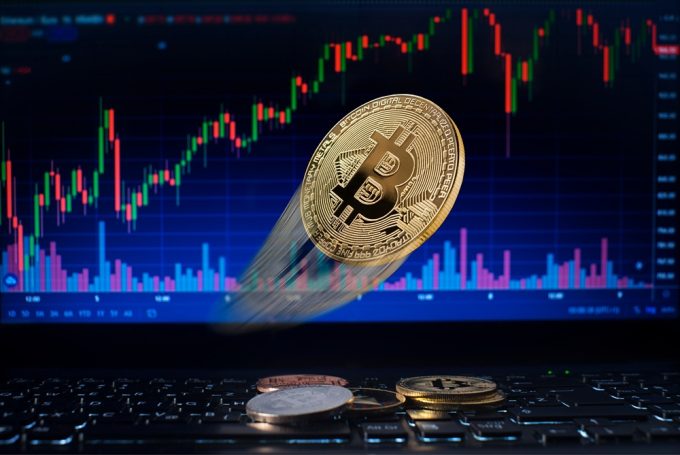
Bitcoin moved above the $67,000 level after markets reacted positively to reports of a diplomatic breakthrough between the United States and Iran. The development eased concerns surrounding geopolitical instability and energy market disruptions, encouraging investors to increase exposure to risk assets, including cryptocurrencies.
The rally occurred against a backdrop of improving macro sentiment, with equities, commodities, and digital assets responding to reduced uncertainty. However, experienced market participants remain focused on whether the move has sufficient momentum to evolve into a sustained uptrend.
Risk Assets Rally as Geopolitical Tensions Ease
Bitcoin gained more than 5% within days of the announcement, outperforming several traditional asset classes as traders rotated back into higher-risk investments. The broader cryptocurrency market also advanced, with total market capitalization adding tens of billions of dollars in value during the same period.
Historically, major geopolitical developments can have a significant impact on investor behavior. Reduced uncertainty often lowers demand for defensive assets while increasing appetite for growth-oriented investments. For crypto markets, which remain highly sensitive to sentiment shifts, such events frequently act as catalysts for short-term price acceleration.
Trading volumes increased substantially during the rally, suggesting broad participation rather than isolated buying activity. Nevertheless, elevated volume alone does not guarantee long-term trend continuation.
Derivatives Markets Reveal a More Cautious Picture
While spot prices moved higher, derivatives data indicates that many professional traders remain measured in their outlook. Open interest across major Bitcoin futures venues rose alongside price action, reflecting growing participation, but funding rates have not reached the extreme levels typically associated with euphoric market conditions.
This divergence suggests investors are willing to add exposure but are not yet fully convinced that a new bullish cycle has emerged. Market participants continue monitoring macroeconomic variables including interest-rate expectations, inflation data, and liquidity conditions that could influence risk appetite in the weeks ahead.
A rapid increase in leveraged positioning could create vulnerability if momentum weakens, particularly near key technical resistance zones.
Investor Psychology and the Bull Trap Debate
The concept of a bull trap remains a central topic among traders whenever a sharp recovery follows a period of market weakness. Bull traps occur when prices break higher, attract new buyers, and subsequently reverse lower, trapping late entrants.
Behavioral factors often play a critical role. Fear of missing out can accelerate buying activity during strong rebounds, while institutional investors may wait for confirmation before committing significant capital. This dynamic frequently creates tension between short-term momentum traders and longer-term allocators.
Current market conditions suggest that investors are balancing optimism over improving geopolitical developments against uncertainty surrounding broader economic trends.
What Markets Will Watch Next
Bitcoin’s move above $67,000 demonstrates how quickly sentiment can shift when geopolitical risks begin to recede. The rally has improved market confidence and renewed discussion about higher price targets, but sustaining momentum will require continued support from both macroeconomic conditions and investor demand.
For crypto investors, the coming weeks may provide greater clarity on whether the recent advance marks the beginning of a stronger market phase or merely a temporary reaction to improving geopolitical headlines. Price action, derivatives positioning, and institutional flows are likely to remain key indicators as markets assess the durability of the recovery.
Comparison, examination, and analysis between investment houses
Leave your details, and an expert from our team will get back to you as soon as possible