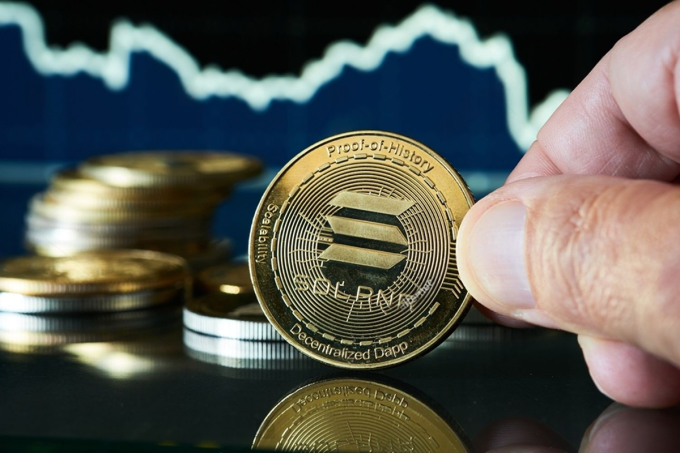
Bitcoin (BTC) and Ethereum (ETH) continued to fall on Friday, June 19, 2026, extending losses following the latest Federal Reserve policy decision. The move reflects a broader risk-off shift across global markets, where tighter liquidity expectations and recalibrated rate outlooks have weighed on high-beta assets, including digital currencies.
The pullback highlights the increasing correlation between cryptocurrency markets and macroeconomic policy signals. For institutional investors, the post-Fed reaction underscores how monetary policy continues to act as a primary driver of short-term price direction in digital assets, even as long-term adoption trends remain intact.
Market Reaction: Bitcoin and Ethereum Follow Broader Risk Asset Decline
Following the Federal Reserve’s latest decision, Bitcoin and Ethereum both extended declines, with traders reducing exposure to risk assets amid expectations of tighter financial conditions. The reaction was consistent with broader market behavior, where equities, growth assets, and speculative instruments typically respond negatively to hawkish policy signals.
Bitcoin’s price action reflected increased selling pressure as traders unwound leveraged positions, while Ethereum mirrored similar weakness across major altcoin markets. The synchronized movement suggests that macro-driven flows continue to dominate short-term cryptocurrency price dynamics.
For market participants, the post-Fed decline reinforces the importance of macro liquidity conditions in shaping crypto asset performance, particularly during periods of policy uncertainty.
Regulatory and Macro Environment Shapes Investor Positioning
The Federal Reserve’s policy stance remains a central influence on global financial conditions, affecting liquidity, borrowing costs, and risk appetite across asset classes. For cryptocurrencies, which are highly sensitive to liquidity cycles, shifts in monetary policy often translate into immediate volatility.
While regulatory developments within the digital asset industry continue to evolve, macroeconomic policy remains the dominant short-term driver of price action. Higher interest rate expectations typically reduce demand for risk assets by increasing the attractiveness of yield-bearing instruments such as bonds and cash equivalents.
This environment has led institutional investors to adopt more cautious positioning, balancing long-term exposure to digital assets with short-term risk management strategies.
Investor Sentiment Reflects Defensive Positioning After Policy Event
From a behavioral finance perspective, Federal Reserve announcements often trigger rapid sentiment shifts as investors reassess macroeconomic conditions. The recent decline in Bitcoin and Ethereum reflects a broader defensive posture among traders responding to tighter liquidity expectations.
Leveraged positions in cryptocurrency markets are particularly sensitive to macro shocks, leading to accelerated price movements when sentiment shifts. At the same time, longer-term investors often view such pullbacks as part of broader market cycles rather than structural deterioration in asset fundamentals.
This divergence between short-term traders and long-term allocators continues to shape volatility patterns across digital asset markets.
Macroeconomic Signals Will Continue to Drive Crypto Market Direction
The continued decline in Bitcoin and Ethereum following the Federal Reserve decision underscores the growing influence of macroeconomic policy on digital asset valuations. While structural adoption trends remain a key long-term driver, short-term price movements are increasingly shaped by liquidity conditions and investor risk appetite.
Looking ahead, market participants will closely monitor inflation data, future interest rate expectations, ETF flows, and institutional allocation trends to assess whether crypto markets can stabilize after the post-Fed selloff. The interaction between monetary policy and digital asset demand is likely to remain a defining feature of the market environment in the months ahead.
Comparison, examination, and analysis between investment houses
Leave your details, and an expert from our team will get back to you as soon as possible