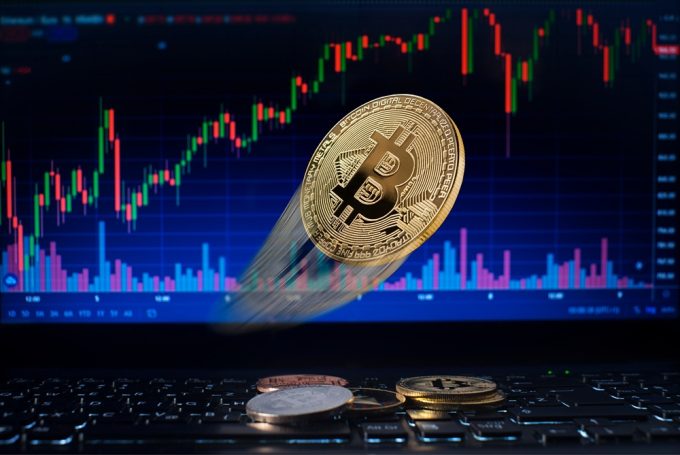
Bitcoin traded largely unchanged while Ethereum, XRP, and Dogecoin moved lower after the United States launched military strikes against Iran, injecting fresh geopolitical uncertainty into global financial markets. The muted reaction from Bitcoin compared with previous geopolitical shocks suggests that investors increasingly view the world’s largest cryptocurrency as a relatively resilient macro asset, even as risk appetite weakened across the broader digital asset market.
The latest market movement highlights how cryptocurrencies continue to respond to macroeconomic and geopolitical developments alongside traditional financial assets. With investors balancing concerns over energy markets, inflation, and global risk sentiment, attention has shifted toward whether digital assets can maintain their growing role in institutional portfolios during periods of heightened volatility.
Bitcoin Shows Relative Stability While Altcoins Underperform
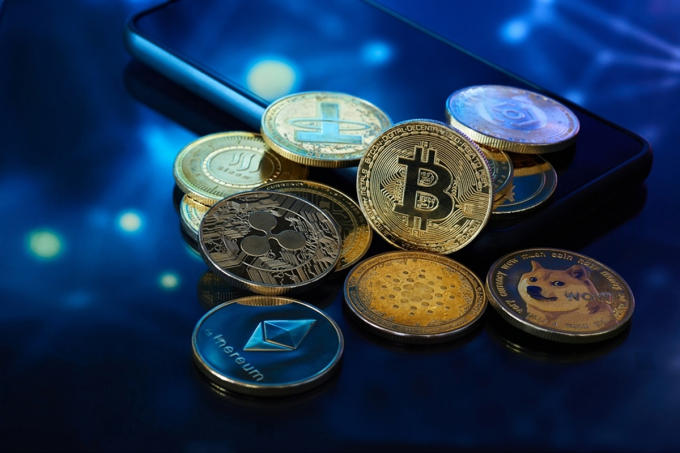
Following news of the U.S. strikes, Bitcoin remained relatively stable, outperforming several major alternative cryptocurrencies. Ethereum, XRP, and Dogecoin all posted modest declines as traders reduced exposure to higher-risk digital assets amid uncertainty. According to market data, the overall cryptocurrency market capitalization slipped slightly while trading volumes increased as investors repositioned portfolios in response to geopolitical headlines.
The divergence reflects an increasingly familiar pattern during periods of market stress. Institutional investors often concentrate liquidity in Bitcoin, which benefits from deeper markets, broader exchange-traded product adoption, and stronger institutional participation. Meanwhile, higher-beta cryptocurrencies typically experience greater selling pressure as risk tolerance declines.
Macro Risks Continue to Drive Crypto Price Action
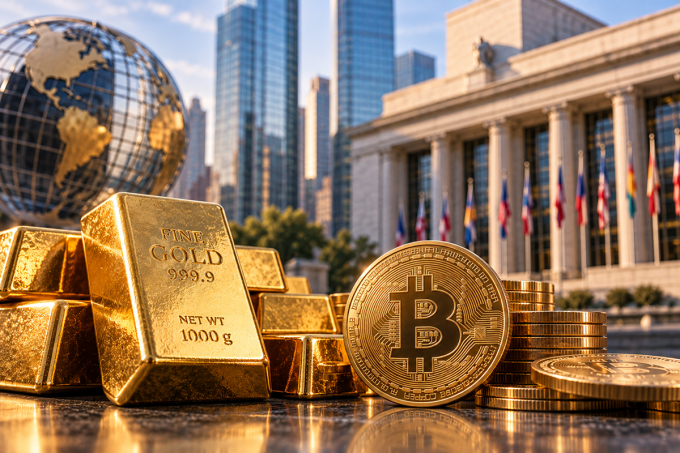
The renewed tensions in the Middle East extend beyond digital assets, with investors also monitoring oil prices, Treasury yields, and the U.S. dollar for signs of broader financial market disruption. Rising geopolitical risks can strengthen demand for traditional safe-haven assets while simultaneously increasing volatility across equities and cryptocurrencies.
Analysts cited in market coverage suggested that Bitcoin’s resilience may present a dollar-cost averaging (DCA) opportunity for long-term investors, arguing that periods of heightened volatility have historically created disciplined entry points. While such strategies reduce the impact of market timing, they do not eliminate downside risk and remain dependent on each investor’s objectives and risk tolerance.
For institutional participants, the current environment reinforces the importance of macroeconomic analysis alongside blockchain fundamentals. Rather than trading solely on crypto-specific news, professional investors increasingly evaluate digital assets within the broader framework of monetary policy, geopolitical developments, and cross-asset capital flows.
Investor Sentiment Reflects a More Mature Crypto Market
The relatively contained reaction in Bitcoin may indicate a structural shift in investor behavior. Earlier geopolitical crises frequently triggered sharp liquidation events across the digital asset market. More recently, deeper institutional liquidity, regulated investment vehicles, and growing participation from long-term holders have contributed to more measured price movements during macro-driven shocks.
At the same time, investors remain cautious. Elevated derivatives activity and higher options-implied volatility suggest that traders continue to hedge against additional geopolitical escalation. Market participants are closely monitoring whether uncertainty remains localized or develops into a broader global economic risk capable of affecting liquidity conditions and investor confidence.
Looking ahead, crypto investors will continue tracking developments surrounding the U.S.–Iran conflict alongside macroeconomic indicators such as inflation, interest rates, and global capital flows. Bitcoin’s ability to maintain relative stability during geopolitical stress could further strengthen its position within diversified institutional portfolios, while continued volatility among alternative cryptocurrencies may reinforce the market’s ongoing preference for liquidity, scale, and regulatory clarity. Although geopolitical events can produce short-term price swings, longer-term market direction is likely to remain closely tied to institutional adoption, monetary policy expectations, and the evolution of global digital asset regulation.
Comparison, examination, and analysis between investment houses
Leave your details, and an expert from our team will get back to you as soon as possible