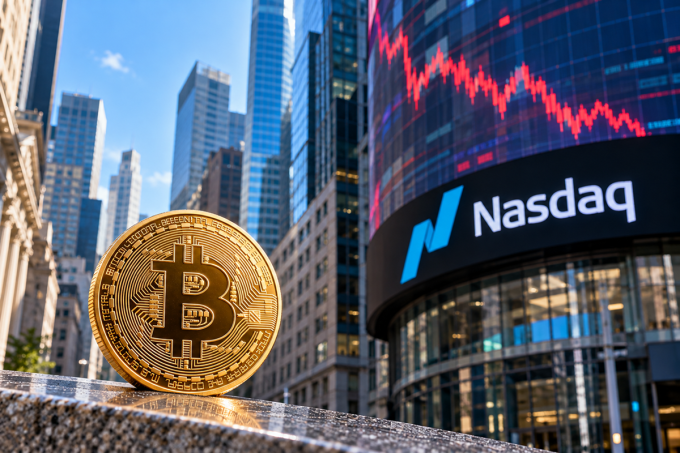
Bitcoin and XRP moved lower as renewed geopolitical tensions in the Middle East increased investor caution across global markets. The latest developments followed strikes by Yemen’s Houthi forces against Saudi oil tankers in the Red Sea, intensifying concerns about energy supply disruptions, inflation pressure, and broader market volatility.
The escalation comes as markets continue assessing the impact of the ongoing U.S.-Iran conflict, with investors monitoring potential disruptions to global energy infrastructure and key shipping routes. Rising oil prices, higher bond yields, and increased demand for defensive assets have created additional pressure on risk-sensitive markets, including cryptocurrencies.
Market Reaction as Crypto Assets Face Geopolitical Pressure
Cryptocurrency markets experienced renewed selling pressure as geopolitical uncertainty increased. Bitcoin and XRP declined alongside broader risk assets as investors reduced exposure to volatile positions amid concerns over potential economic consequences from a prolonged Middle East conflict.
Oil prices climbed above $88 per barrel as traders priced in increased risks to global energy supply through critical transportation routes. The Red Sea remains a major shipping corridor, and further disruptions could create additional pressure on energy markets and global inflation expectations.
The relationship between geopolitical shocks and cryptocurrency markets has become more complex in recent years. While Bitcoin is often viewed as a potential alternative asset, it has frequently traded alongside broader risk markets during periods of severe uncertainty, as investors prioritize liquidity and capital preservation.
Macroeconomic Risks Increase as Inflation and Bond Yields Rise
The energy shock triggered concerns that higher oil prices could slow progress on inflation, potentially influencing future monetary policy decisions. Rising energy costs can increase production and transportation expenses, creating additional challenges for central banks attempting to balance inflation control with economic growth.
U.S. Treasury yields moved higher as investors reacted to expectations of increased inflation risks. Higher yields can place pressure on speculative assets by increasing the attractiveness of fixed-income investments and tightening overall financial conditions.
For crypto markets, the combination of elevated yields, stronger inflation concerns, and geopolitical uncertainty creates a challenging environment. Digital assets remain sensitive to changes in global liquidity conditions, particularly when investors reassess risk exposure across financial markets.
Investor Sentiment Shifts Toward Risk Management
The latest market reaction highlights the importance of investor psychology during periods of geopolitical stress. Following major global events, market participants often reduce positions in higher-volatility assets until there is greater clarity regarding economic and political outcomes.
For XRP and other digital assets, short-term performance may remain influenced by broader market conditions rather than asset-specific developments alone. While blockchain adoption, regulatory progress, and ecosystem growth remain important long-term factors, macroeconomic shocks can dominate market sentiment in the near term.
Investors are likely to continue monitoring developments in the Middle East, energy prices, central bank policy expectations, and liquidity conditions. The direction of cryptocurrency markets may depend on whether geopolitical tensions stabilize or create additional disruptions to global economic activity.
Comparison, examination, and analysis between investment houses
Leave your details, and an expert from our team will get back to you as soon as possible