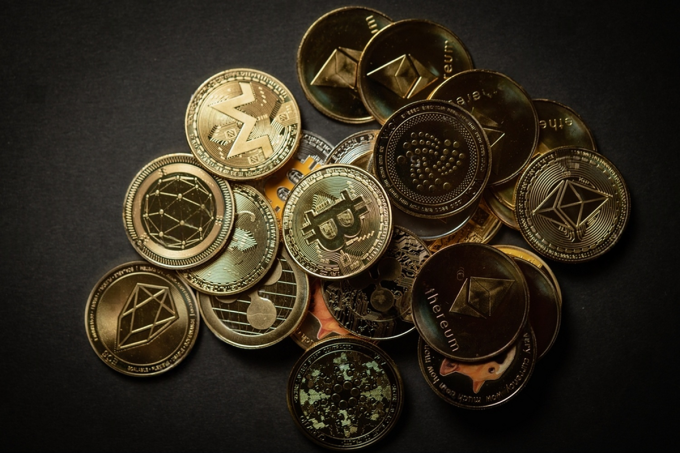
Ethereum has entered its second decade amid one of the most consequential periods in its history, marked by leadership changes within the Ethereum Foundation, accelerating institutional adoption, and growing integration into traditional financial markets. As the blockchain network celebrates its 11th anniversary, investors are increasingly evaluating Ethereum not only as a cryptocurrency but also as critical infrastructure for tokenized finance and decentralized applications.
The milestone arrives during a period of heightened macroeconomic uncertainty and evolving global regulation, where blockchain platforms are competing to attract institutional capital. While short-term price movements remain sensitive to monetary policy and market sentiment, Ethereum’s long-term narrative is increasingly being shaped by ecosystem development and enterprise adoption.
A Year of Change for the Ethereum Foundation
The past year has brought significant organizational change to the Ethereum Foundation, with leadership restructuring and strategic adjustments designed to support the network’s next stage of development. While governance transitions often create uncertainty in decentralized ecosystems, they also reflect Ethereum’s evolution from an experimental blockchain into infrastructure supporting billions of dollars in digital assets.
Eleven years after its launch in 2015, Ethereum continues to host the world’s largest ecosystem of smart contracts, decentralized finance (DeFi) applications, non-fungible tokens (NFTs), and tokenized financial products. The network’s maturity has increased expectations that its governing organizations operate with greater transparency, accountability, and long-term strategic planning.
For institutional investors, these governance developments are increasingly viewed alongside technological progress, as organizational stability has become an important consideration for enterprise adoption.
Institutional Adoption Continues to Strengthen Ethereum’s Position
Despite organizational changes, Ethereum’s institutional momentum has continued to build. Financial institutions, asset managers, and fintech companies are increasingly utilizing the blockchain for tokenization, digital asset settlement, and programmable financial applications. The network also continues to dominate activity in decentralized finance, maintaining its position as the primary infrastructure layer for blockchain-based financial services.
Growing participation in staking, expanding institutional custody solutions, and increasing demand for tokenized real-world assets have reinforced Ethereum’s role within the evolving digital asset ecosystem. These trends suggest that professional investors are focusing less on short-term price volatility and more on Ethereum’s ability to serve as foundational infrastructure for blockchain-enabled finance.
The continued expansion of institutional use cases reflects a broader shift from speculative cryptocurrency adoption toward practical enterprise implementation.
The Second Decade Will Be Defined by Utility and Competition
As Ethereum enters its second decade, competition among Layer 1 blockchain networks continues to intensify. Rival platforms such as Solana, Avalanche, and emerging blockchain ecosystems are seeking to attract developers and institutional users by offering higher transaction throughput and lower fees.
Ethereum’s competitive advantage increasingly rests on its extensive developer community, established security model, deep liquidity, and broad ecosystem of decentralized applications. However, continued scaling improvements, Layer 2 adoption, and network efficiency will remain critical as blockchain technology expands into mainstream financial services.
From a behavioral perspective, institutional investors are increasingly evaluating blockchain networks using measurable indicators such as developer activity, total value locked (TVL), transaction volumes, staking participation, and enterprise adoption rather than relying solely on token price performance. This reflects the sector’s ongoing transition toward a more mature investment framework.
Looking ahead, Ethereum’s second decade is likely to be shaped less by its origins as a pioneering cryptocurrency and more by its ability to support institutional finance, tokenized assets, and decentralized digital infrastructure at global scale. While governance changes and macroeconomic conditions may continue to influence near-term sentiment, investors will be watching whether Ethereum can maintain its leadership position as blockchain adoption expands across traditional financial markets.
Comparison, examination, and analysis between investment houses
Leave your details, and an expert from our team will get back to you as soon as possible