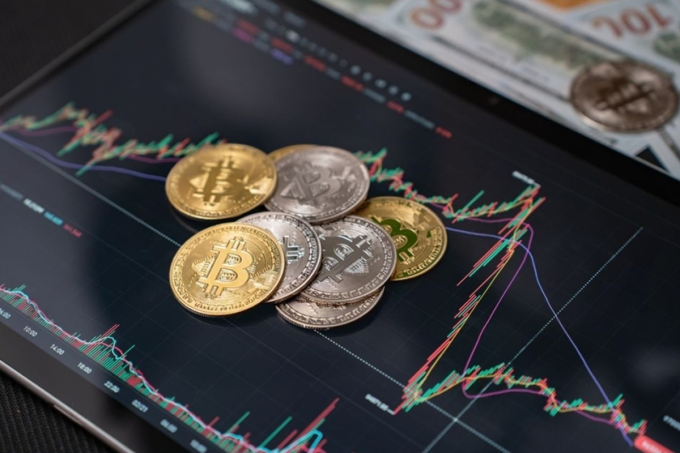
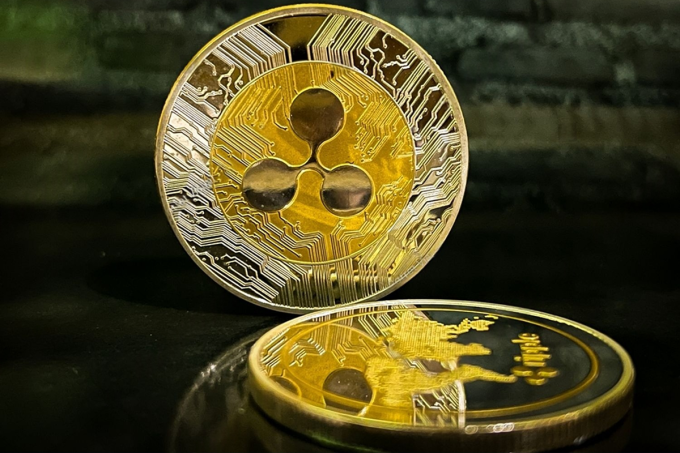
XRP, the native cryptocurrency of the XRP Ledger, has lost approximately 63% of its value over the past 12 months, reflecting the broader weakness across digital asset markets. The decline has reignited discussion over whether the token still possesses the long-term characteristics that could generate substantial returns, or whether regulatory uncertainty and intensifying competition have fundamentally altered its investment outlook.
The pullback comes as cryptocurrencies continue facing tighter financial conditions, cautious investor sentiment, and evolving regulatory frameworks worldwide. While speculative enthusiasm has cooled, institutional investors remain focused on projects demonstrating sustainable utility, strong network adoption, and resilient infrastructure.
Market Weakness Has Pressured XRP Alongside the Broader Crypto Sector
XRP’s recent performance mirrors a broader downturn that has affected many leading digital assets. Higher interest rates, reduced liquidity, and continued macroeconomic uncertainty have weighed on investor appetite for higher-risk assets, leading to significant price declines across the cryptocurrency market.
Although XRP has experienced one of its steepest annual drawdowns in recent years, the token continues to rank among the largest digital assets by market capitalization. The correction illustrates how even established cryptocurrencies remain highly sensitive to changes in market sentiment and capital flows.
Utility and Regulation Continue to Shape XRP’s Investment Narrative
The long-term outlook for XRP remains closely tied to its role in cross-border payments and institutional financial infrastructure. Ripple continues to expand partnerships aimed at improving international settlements, while the XRP Ledger supports payment applications and tokenization initiatives that extend beyond simple value transfers.
At the same time, regulatory developments remain an important variable. Although Ripple has achieved several legal victories over recent years, portions of its U.S. regulatory framework continue to evolve. Future legislation governing digital assets could significantly influence institutional participation and broader adoption of XRP-based financial products.
Competition has also intensified as stablecoins, central bank digital currency initiatives, and alternative payment-focused blockchains seek to capture similar use cases within global financial markets.
Investor Psychology Often Changes After Deep Corrections
Large price declines frequently create sharply divided investor sentiment. Some market participants interpret prolonged weakness as evidence of deteriorating fundamentals, while others view corrections as opportunities to reassess long-term adoption trends rather than short-term price movements.
For professional investors, the central question is less whether XRP can produce extraordinary returns and more whether its underlying network activity, institutional adoption, liquidity, and regulatory positioning continue improving despite market volatility. Those fundamental indicators typically provide more durable signals than short-term price fluctuations alone.
Historical cryptocurrency cycles have demonstrated that market recoveries often favor projects with established infrastructure, active developer communities, and clearly defined real-world applications rather than speculative momentum alone.
Future Adoption May Matter More Than Past Price Performance
Looking ahead, XRP’s trajectory will likely depend on the pace of institutional adoption, continued development of the XRP Ledger ecosystem, and the evolution of global digital asset regulation. Progress in cross-border payments, tokenized financial assets, and enterprise blockchain integration could strengthen its long-term relevance, while increased competition and regulatory uncertainty remain important risks to monitor.
For crypto investors, XRP’s recent decline highlights the importance of evaluating digital assets through both technological progress and market structure rather than focusing solely on historical price performance. As the cryptocurrency industry continues to mature, sustained network adoption and practical utility may become increasingly important drivers of long-term value creation.
Comparison, examination, and analysis between investment houses
Leave your details, and an expert from our team will get back to you as soon as possible