Key Takeaways
- Baltimore is taking action against prediction-market operators over sports-related contracts, intensifying the U.S. debate over whether such products constitute regulated betting.
- The dispute highlights a growing regulatory divide between federal oversight of prediction markets and state authority over gambling activities.
- For crypto investors, the case is relevant because prediction markets increasingly rely on digital infrastructure and compete for capital, liquidity and user activity within the broader digital-asset ecosystem.
The City of Baltimore is challenging prediction-market activity tied to sports betting, adding a local regulatory dispute to a rapidly expanding U.S. market for event-based financial contracts. The case has broader implications for crypto investors because prediction platforms increasingly use blockchain technology, digital payments and token-based infrastructure, while regulators continue debating where financial markets end and gambling begins.
Baltimore Targets Sports Prediction Contracts
Baltimore’s action reflects concerns that sports-related prediction contracts can function economically like wagers even when they are structured as financial products. Prediction markets allow users to buy contracts linked to the outcome of events, with prices typically fluctuating between zero and $1 as expectations change.
The distinction has become increasingly important as prediction-market platforms expand beyond elections and economic indicators into professional sports. A contract priced at $0.60 effectively implies a market assessment of roughly 60% for the underlying outcome, creating a financial mechanism that can resemble traditional betting while operating under a different regulatory framework.
The challenge also comes as U.S. sports betting has become a major commercial industry. Legal sports betting has expanded across dozens of states, creating substantial competition between established sportsbooks and newer prediction-market platforms.
Federal and State Authority Collide
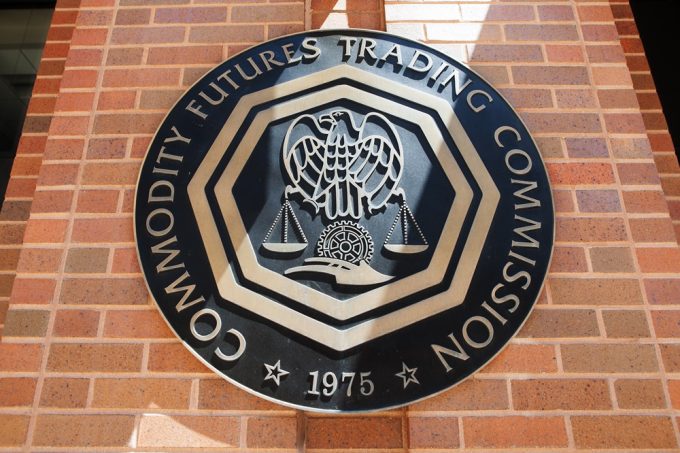
The central regulatory question is whether sports event contracts fall primarily under federal commodities regulation or state gambling laws. The Commodity Futures Trading Commission has historically played a central role in overseeing derivatives and event contracts, while states retain significant authority over gambling and wagering activities.
That division creates potential regulatory uncertainty for operators seeking nationwide scale. A platform may argue that its contracts are financial instruments subject to federal oversight, while state authorities may contend that sports contracts effectively constitute gambling conducted within their jurisdiction.
For crypto markets, the issue is particularly relevant because digital-asset companies have increasingly explored prediction markets as another application for blockchain-based settlement and decentralized financial infrastructure.
Why Crypto Investors Are Watching
Prediction markets can generate significant trading activity because contract prices respond rapidly to new information, creating a market structure that resembles other short-duration financial instruments. The model also relies heavily on liquidity, market makers and efficient settlement systems, areas that overlap with established digital-asset infrastructure.
However, regulatory uncertainty can affect platform expansion, institutional participation and the availability of payment and custody services. Investors evaluating companies connected to prediction markets therefore face risks extending beyond market performance to licensing, enforcement and jurisdictional disputes.
Regulatory Battle Could Shape Market Structure
Baltimore’s challenge could become part of a broader national debate over the treatment of sports prediction contracts. As these markets grow, regulators may face increasing pressure to establish clearer boundaries between derivatives, prediction markets and gambling. For crypto investors, the outcome could influence how blockchain-based prediction platforms develop, how institutions participate and whether digital-asset infrastructure becomes more deeply integrated with regulated event markets.
Comparison, examination, and analysis between investment houses
Leave your details, and an expert from our team will get back to you as soon as possible