Key Points:
- South Korea is targeting February 4, 2027, for the first phase of a legally recognized tokenized securities market covering conventional securities beyond existing fractional-investment products.
- The three-phase roadmap will initially cover institutional money market funds, private institutional bonds, unlisted stocks and publicly offered fractional securities, before expanding to broader public securities.
- The final phase envisions stablecoin-linked on-chain settlement, potentially connecting securities issuance, trading and payment infrastructure on distributed ledgers.
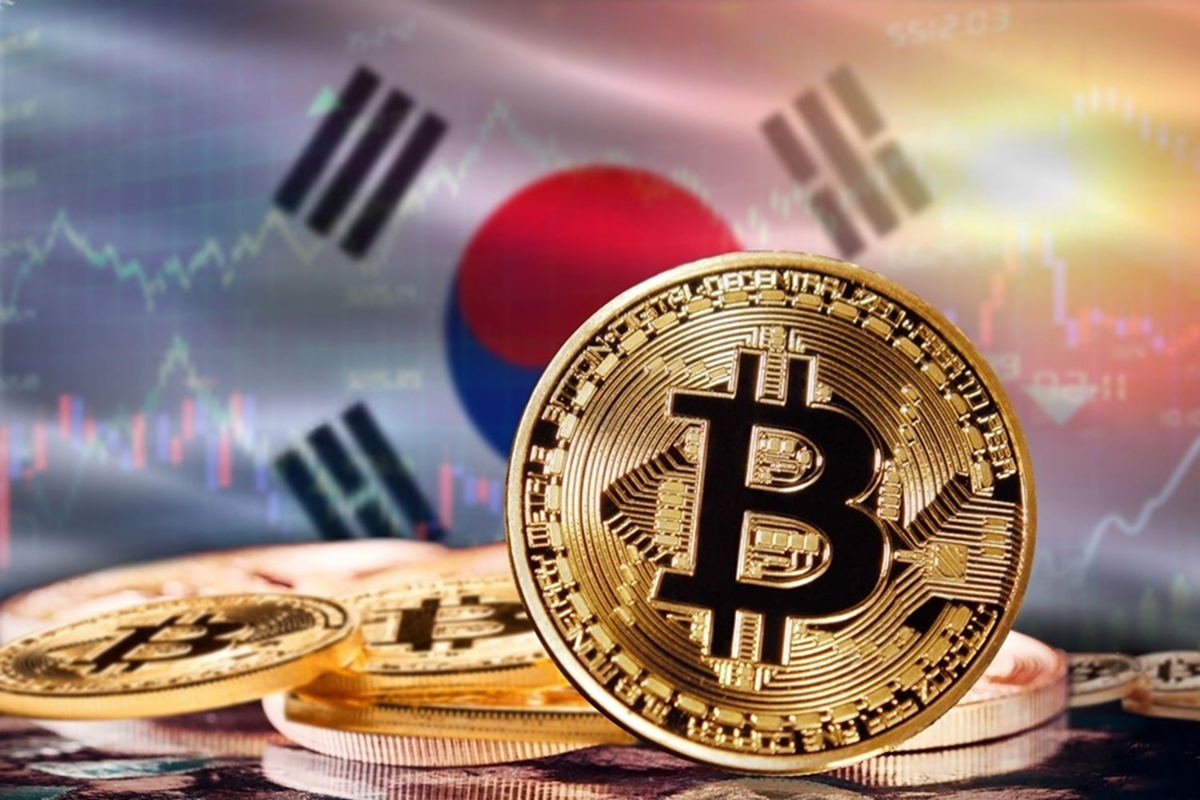
South Korea is moving closer to putting traditional capital markets on blockchain infrastructure, with regulators unveiling a three-phase roadmap that begins in February 2027. The initiative marks a significant regulatory shift from treating blockchain primarily as an alternative-asset technology toward incorporating distributed ledgers into mainstream securities issuance, circulation and eventually settlement.
Legal Recognition Creates the Foundation
The first phase is tied to amendments to the Act on Electronic Registration of Stocks and Bonds, scheduled to take effect on February 4, 2027. Under the revised framework, security tokens will be legally recognized as digitized securities, with their issuance and management information recorded through blockchain-based distributed ledgers.
Initially, the framework will cover privately pooled money market funds and bonds reserved for institutional investors, unlisted stocks issued through trust structures and publicly offered fractional-investment securities. This approach gives regulators and market participants a controlled starting point before expanding tokenization across the broader securities universe.
Three Phases Could Reshape Market Infrastructure
The roadmap goes beyond simply allowing securities to be represented as tokens. In the second phase, authorities intend to expand tokenization to all publicly offered securities, potentially bringing a much larger portion of Korea’s equity, bond and fund markets onto distributed-ledger infrastructure.
The Korea Securities Depository and securities companies are expected to coordinate infrastructure development ahead of the February launch. The Financial Services Commission also plans to propose revisions to subordinate regulations governing the capital-markets and electronic-registration laws by the end of September 2026.
For institutional investors, the significance lies in the potential restructuring of market plumbing rather than the token itself. Tokenized securities could eventually support more automated issuance, ownership records and settlement, although the efficiency gains will depend on interoperability, liquidity and regulatory standards.
Stablecoins Become the Final Settlement Layer
The most consequential element is the roadmap’s third phase: developing an on-chain payment infrastructure linked to stablecoins. Rather than limiting blockchain to securities registration, South Korea is considering a system in which the asset and the payment leg can operate on connected blockchain infrastructure.
The FSC has previously highlighted the potential for on-chain payments to support 24-hour and T+0 settlement. However, implementation of the second and third phases remains flexible and will depend on the first phase, technological development and pending legislation governing stablecoins.
Why the Roadmap Matters to Crypto Markets
South Korea’s strategy places tokenization within the regulated financial system rather than treating it as a parallel crypto market. That distinction could be important for global institutions because the expansion of tokenized equities, bonds and funds creates potential demand for compliant blockchain infrastructure while simultaneously increasing the importance of custody, identity, interoperability and settlement standards.
The immediate focus will be execution. February 4, 2027 is a regulatory milestone, but meaningful market adoption will depend on how quickly securities firms and the Korea Securities Depository can build operational infrastructure and how effectively regulators address investor protection and secondary-market liquidity. The eventual integration of stablecoins will also depend on Korea’s separate digital-asset legislation, making the country’s tokenization strategy closely linked to its broader crypto regulatory framework.
For crypto investors and institutions, the next stage is less about speculative token launches and more about whether blockchain becomes embedded in regulated capital-market infrastructure. Korea’s progress will provide an important test of whether tokenization can move from pilot programs into large-scale securities markets, with the pace of regulatory implementation, infrastructure readiness and stablecoin legislation likely to determine how far the model can expand.
Comparison, examination, and analysis between investment houses
Leave your details, and an expert from our team will get back to you as soon as possible