Key Points:
- AMC CEO Adam Aron has called on Robinhood to stop trading tokens linked to AMC shares, arguing that synthetic products could undermine capital raising and shareholder rights.
- Robinhood says it will continue offering its stock tokens, setting up a broader dispute over how equities should be represented and traded on blockchain networks.
- The tokenized stock market has reached approximately $3.6 billion, while Citi estimates tokenized assets could reach $5.5 trillion by 2030, including $2.7 trillion of equities.
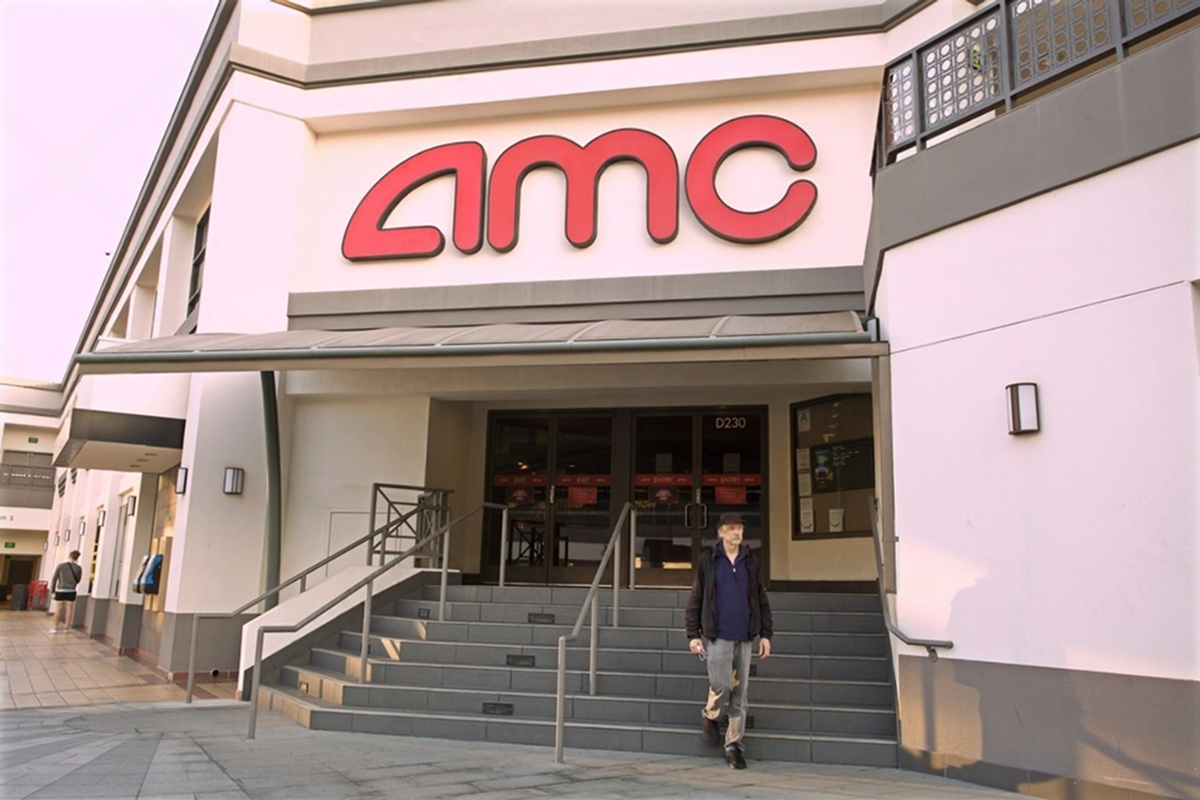
The growing push to put traditional equities on blockchain rails is encountering a significant test after AMC Entertainment CEO Adam Aron demanded that Robinhood halt trading in tokens linked to AMC shares. The dispute highlights a fundamental question for the tokenization industry: whether a blockchain-based product that tracks a public company’s stock should be treated as equivalent to the underlying equity when it does not confer the same ownership rights.
AMC Challenges the Synthetic Equity Model
Aron escalated his criticism on Friday after Robinhood CEO Vlad Tenev questioned the concern surrounding the products. The AMC chief argued that synthetic stock tokens could create a parallel market using AMC’s name without the company’s consent, potentially diverting demand away from the underlying shares and complicating its ability to raise capital.
He also questioned the legal structure behind Robinhood’s products and said AMC intends to raise the issue with the U.S. Securities and Exchange Commission. Robinhood, however, has signaled that it does not intend to withdraw the tokens. Chief Legal Officer Dan Gallagher defended the brokerage’s position, while Tenev publicly reiterated that Robinhood stands behind its stock-token offering.
Not All Tokenized Stocks Represent Ownership
The dispute centers on an important distinction within digital securities. Robinhood’s products provide economic exposure to U.S. equities without giving token holders direct ownership of the underlying shares. The tokens are also unavailable to U.S.-based customers.
Other tokenization models operate differently. Some providers hold conventional shares with regulated custodians and issue blockchain-based tokens representing those assets, while issuer-sponsored structures can place actual registered shares onchain with shareholder rights attached.
That distinction matters for institutional investors because a synthetic token may track an equity’s price without providing voting rights, direct ownership or a position on the company’s shareholder register. The legal claim, custody arrangement and redemption mechanism therefore become as important as the blockchain technology itself.
Industry Executives Warn About Market Fragmentation
Several executives who support equity tokenization nevertheless backed parts of Aron’s argument. Backpack CEO Armani Ferrante said the concern around capital formation has substance, noting that buying a Robinhood token does not necessarily generate equivalent buying pressure in the underlying stock.
Archax CEO Graham Rodford similarly argued that a tokenized stock should represent the actual stock rather than simply an instrument tracking its price. Fairmint CEO Joris Delanoue made the ownership distinction explicit, while Securitize CEO Carlos Domingo pointed to an AMC-linked token that reportedly traded at roughly 60 times the reference share price, illustrating the risks created by thin liquidity and limited arbitrage mechanisms.
A $3.6 Billion Market Faces a Regulatory Test
The debate comes as tokenized equities move from experimentation toward a potentially substantial financial market. The tokenized stock market has reached approximately $3.6 billion, while Citi projects that tokenized assets could reach $5.5 trillion by 2030, including $2.7 trillion of equities.
For crypto investors and financial institutions, the AMC-Robinhood dispute therefore extends beyond one company. Regulators and market operators will increasingly need to distinguish between genuine tokenized ownership and synthetic exposure, particularly around disclosure, custody, shareholder rights, market surveillance and settlement.
The next stage of equity tokenization will depend on whether these structural questions can be resolved without undermining the efficiency advantages that blockchain infrastructure promises. Legal ownership, redemption rights and market integrity are likely to become central competitive factors as brokers, crypto platforms and regulated tokenization firms develop competing models for bringing global equities onchain.
Comparison, examination, and analysis between investment houses
Leave your details, and an expert from our team will get back to you as soon as possible