Key Takeaways
- King Charles III is set to host senior AI executives at Dumfries House as industry leaders push for slower development and stronger safety oversight.
- Bitcoin remains near $77,600, while the broader crypto market faces pressure from higher yields, oil prices and renewed expectations for tighter monetary policy.
- For crypto investors, the AI debate could influence technology valuations, digital infrastructure spending, regulation and capital flows across AI-linked blockchain projects.
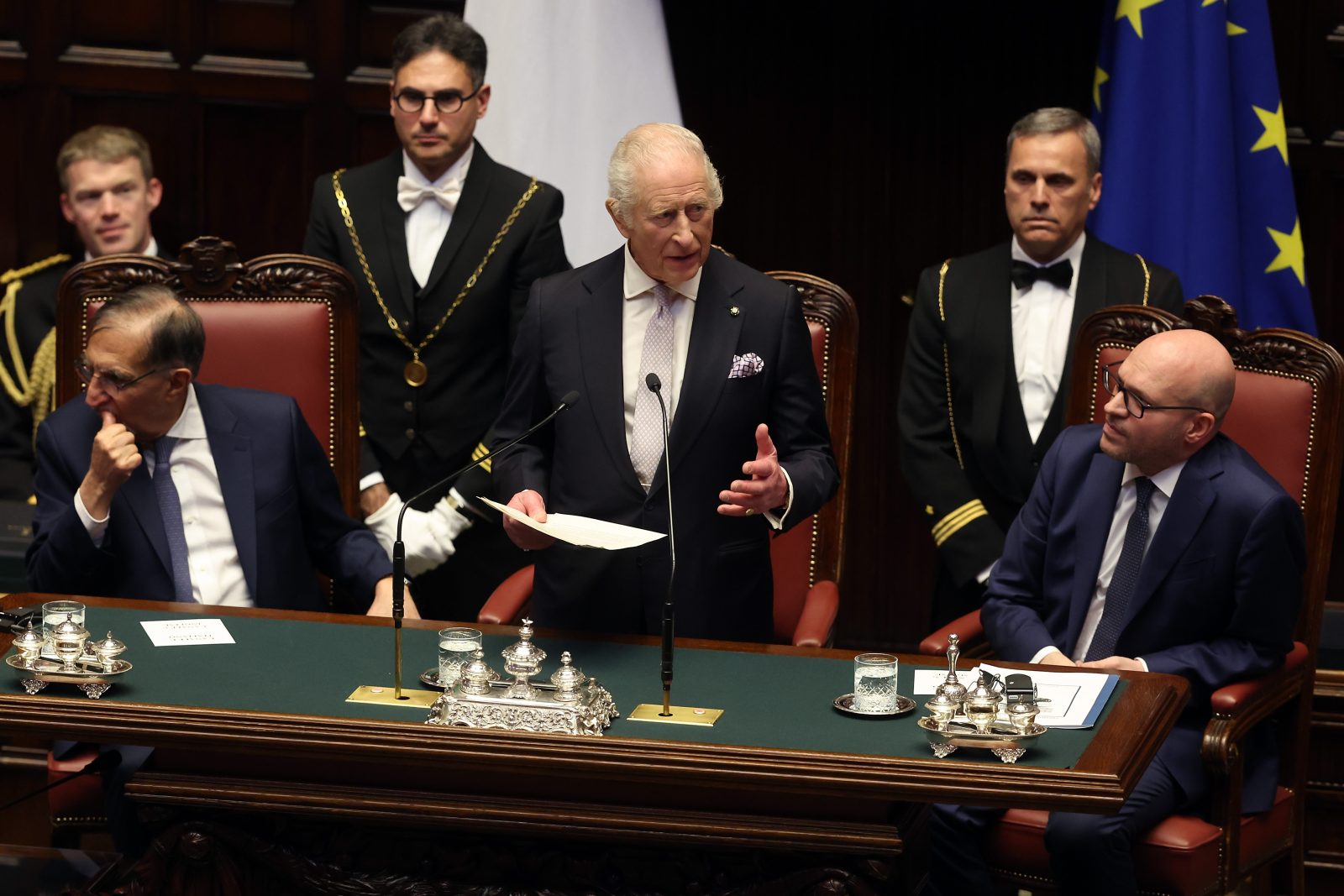
King Charles III is preparing to host senior artificial intelligence executives, including representatives from Nvidia, Anthropic and OpenAI, as the technology industry confronts growing pressure to slow the development of increasingly capable systems. The meeting comes after Anthropic CEO Dario Amodei called for a deliberate slowdown, with OpenAI’s Sam Altman and xAI’s Elon Musk supporting stronger safety measures. For crypto markets, the development adds another layer to an already difficult macro environment.
AI Concerns Move Beyond Technology Policy
The AI slowdown debate is becoming an economic and capital-markets issue rather than a purely technological discussion. Asian technology shares fell sharply after the latest calls for caution, with SoftBank declining more than 13% and several semiconductor stocks also recording substantial losses. The reaction highlights how deeply investor expectations around rapid AI expansion have become embedded in valuations, infrastructure spending and future earnings assumptions.
Bitcoin was trading around $77,600 on September 14, while its recent range has remained below the $80,000 level. The cryptocurrency is increasingly sensitive to changes in broader technology sentiment because institutional portfolios can hold exposure to both AI-related equities and digital assets. A reduction in AI capital expenditure expectations could therefore affect risk appetite beyond the technology sector.
Why AI Infrastructure Matters to Crypto
The connection between AI and crypto extends beyond investor sentiment. Both industries compete for computing power, data-center capacity, electricity and advanced semiconductor infrastructure. A meaningful slowdown in frontier AI development could eventually moderate demand for some infrastructure, while simultaneously redirecting capital toward cybersecurity, verification and governance technologies.
That distinction is particularly relevant for blockchain projects positioning themselves around decentralized AI, autonomous agents and machine-to-machine payments. If regulators and investors increasingly prioritize controllability and independent evaluation, blockchain networks offering transparent transaction records or verifiable computational processes could attract greater attention, although adoption would depend on commercial demand rather than policy headlines alone.
Regulation and Institutional Risk Pricing
The political response remains divided. Supporters of faster development argue that excessive restrictions could weaken Western competitiveness against China, while AI safety advocates are calling for independent evaluators, international coordination and stronger monitoring. Anthropic’s proposed framework includes permanent employee-level access for third-party safety evaluators, illustrating how oversight could become embedded directly into technology companies.
For crypto markets, this matters because digital assets are already moving toward a more institutional regulatory framework. The U.S. CLARITY Act and broader debates around stablecoins, tokenized finance and digital-asset infrastructure are developing alongside the AI policy debate. Investors may increasingly price regulatory quality and technological accountability together rather than treating crypto and AI as separate sectors.
Strategic Outlook
King Charles’s meeting is unlikely by itself to determine the trajectory of AI development or cryptocurrency prices. Its significance lies in the broader shift toward governance, safety and accountability at a time when markets are already confronting elevated bond yields, oil prices and tighter financial conditions. For crypto investors, the key question is whether a more cautious AI cycle reduces speculative technology demand or instead accelerates investment in transparent, verifiable and resilient digital infrastructure.
Comparison, examination, and analysis between investment houses
Leave your details, and an expert from our team will get back to you as soon as possible