Key Points:
- The Bank of Japan raised its policy rate by 25 basis points to 1.25%, the highest level in 31 years, marking its second increase in three months.
- Bitcoin climbed to $77,400 after the decision, recovering from an overnight low near $76,200, while the yen weakened and USD/JPY rose to 156.70 from 156.20.
- Despite the BOJ tightening, the wide gap between Japanese and U.S. interest rates remains, limiting the immediate case for a major unwinding of yen-funded positions.
Bitcoin Rises as BOJ Tightens Monetary Policy
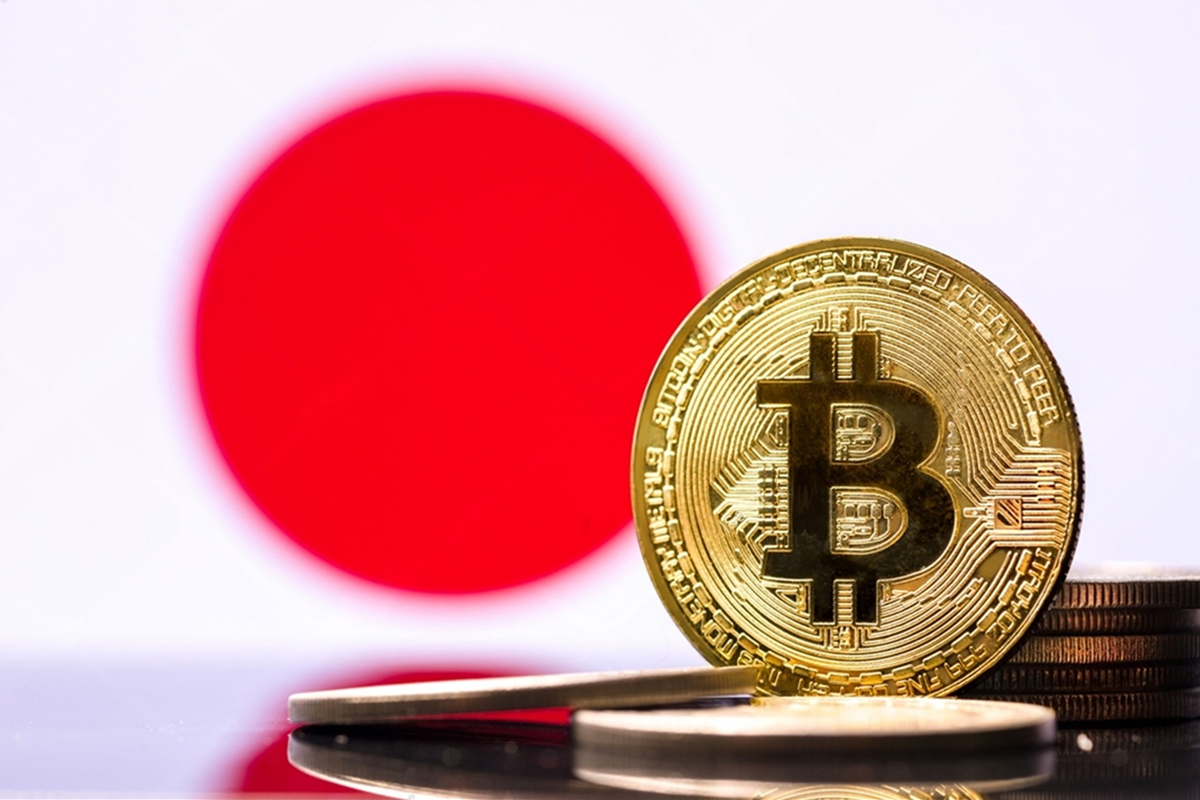
Bitcoin rose above $77,000 after the Bank of Japan increased its benchmark interest rate by 25 basis points to 1.25%, its highest level in 31 years. The move adds another layer to a global monetary-policy environment already defined by tightening, after the Federal Reserve raised U.S. rates by 25 basis points earlier in the week, yet the immediate reaction in crypto was positive as the yen weakened and investors assessed the implications for global liquidity.
CoinDesk data showed Bitcoin reaching approximately $77,400, extending a rebound from an overnight low of $76,200. The BTC/JPY pair on Tokyo-based bitFlyer gained 0.5% to about ¥12.06 million. The move indicates that Bitcoin’s reaction was not simply a dollar-market phenomenon but was also visible against the Japanese currency. :contentReference[oaicite:0]{index=0}
BOJ Rate Reaches 1.25% as Inflation Risks Persist
The BOJ said inflation risks had increased because of rising import costs and energy prices, with the possibility that inflation could exceed its 2% target. The 25-basis-point increase was the central bank’s second rate hike in three months and followed its earlier exit from the prolonged period of ultra-low Japanese interest rates.
The decision was widely anticipated, limiting the surprise element for financial markets. Reuters reported that the policy rate was raised by a 7-2 vote, with two board members dissenting. Governor Kazuo Ueda also indicated that further increases remain possible if inflation risks intensify, while avoiding a commitment to a specific pace of tightening. :contentReference[oaicite:1]{index=1}
Yen Weakens Despite Higher Japanese Rates
The yen’s response was notable. Rather than strengthening after the rate increase, the currency weakened, with USD/JPY rising to 156.70 from 156.20. The move reflected market interpretation of the two dissenting votes and the absence of explicit guidance for an immediate additional hike. :contentReference[oaicite:2]{index=2}
For crypto markets, the currency reaction matters because Japan’s historically low interest rates helped establish the yen as a major funding currency. Investors have borrowed yen at relatively low costs and deployed capital into higher-yielding assets elsewhere, creating what is commonly known as the yen carry trade.
A rapid unwinding of those positions could theoretically create selling pressure across global risk assets. However, the current interest-rate differential remains substantial. Japan’s 1.25% policy rate is still far below the Federal Reserve’s 3.75%-4.00% target range, meaning the incentive to use yen funding has not disappeared. :contentReference[oaicite:3]{index=3}
Global Tightening Changes the Crypto Liquidity Equation
The BOJ decision is significant because it comes alongside rate increases from other major central banks. The Federal Reserve has already raised rates this week, while the BOJ’s move represents another step away from the exceptionally accommodative conditions that characterized Japan’s monetary system for decades.
For Bitcoin and other digital assets, the broader issue is whether higher global policy rates eventually reduce the liquidity available to risk markets. The immediate Bitcoin response suggests investors had largely anticipated the BOJ decision, but the longer-term effect will depend on the pace of additional Japanese tightening, U.S. rate expectations and movements in global bond yields.
What Crypto Investors Are Watching Next
Attention now shifts toward BOJ guidance, the yen, U.S. rate expectations and Bitcoin’s ability to sustain levels above $77,000. The key variable is whether Japanese policy normalization remains gradual or accelerates enough to alter global capital flows. With the Federal Reserve also signaling further tightening could occur, crypto markets are entering an environment in which monetary-policy divergence and liquidity conditions may become increasingly important drivers of price behavior.
Comparison, examination, and analysis between investment houses
Leave your details, and an expert from our team will get back to you as soon as possible