Key Points
- Tether said it helped authorities freeze nearly $550 million in USDT linked to Iran during 2026.
- The company said it froze more than $130 million across four wallets and more than $344 million connected to the Central Bank of Iran in April.
- A Senate Democratic investigation alleged that USDT has become an important channel for Iran to evade sanctions, while Tether highlighted its cooperation with global law enforcement.
Tether Reports Iran-Linked USDT Freezes
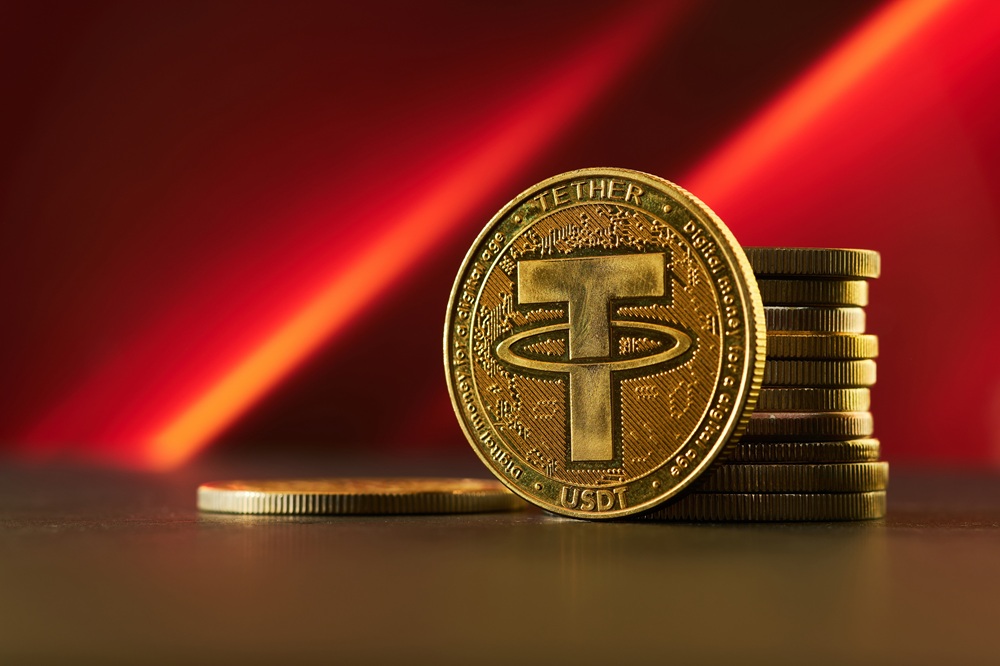
Stablecoin issuer Tether said it helped authorities freeze nearly $550 million in USDT linked to Iran during 2026, as US lawmakers call for additional scrutiny of the stablecoin’s use in potential sanctions evasion.
Tether said Monday that it has worked with international law enforcement agencies for years to identify and freeze digital assets connected to illicit activity.
The company said that during 2026 it froze more than $130 million in USDT across four wallets linked to Iran. In April, Tether also froze more than $344 million associated with the Central Bank of Iran.
The disclosures come as US authorities continue expanding sanctions enforcement involving digital assets and financial networks connected to Iran.
Senate Investigators Examine USDT Activity
Tether’s announcement coincided with a report from Democratic investigators on the Senate Permanent Subcommittee on Investigations examining the use of cryptocurrency in Iran’s financial networks.
The investigators alleged that USDT had become a significant channel through which Iranian entities could circumvent international sanctions.
According to the report cited in the source material, 84% of 846 cryptocurrency wallets sanctioned for ties to Iran had transacted exclusively or almost exclusively in USDT.
The findings prompted Senator Richard Blumenthal to call on the US Treasury and Justice departments to investigate potential violations of sanctions involving the stablecoin.
The report represents investigators’ findings and allegations rather than a judicial determination that the identified wallets or transactions violated sanctions laws.
Tether Highlights Cooperation With Authorities
Tether rejected the characterization of USDT as a safe haven for sanctioned entities and criminal organizations.
“Tether has consistently demonstrated that USDT is not a haven for sanctioned actors, terrorist organizations or criminal networks,” Tether CEO Paolo Ardoino said.
The company said its cooperation with law enforcement agencies has resulted in more than $4.9 billion in digital assets being frozen globally.
More than $2.4 billion of that amount was connected to US authorities, according to Tether.
The company said agencies including the US Department of Justice, FBI, Secret Service, Homeland Security Investigations and Office of Foreign Assets Control have worked with Tether to trace, freeze and recover digital assets.
Stablecoin Compliance Faces Greater Scrutiny
The dispute highlights the competing issues surrounding the use of stablecoins in international finance.
Because USDT can move across blockchain networks without relying exclusively on traditional banking infrastructure, it can provide faster and more accessible transfers across borders. The same characteristics can also attract scrutiny when digital assets are used in jurisdictions or transactions subject to sanctions.
Tether’s ability to freeze USDT at specific addresses gives authorities and the issuer a mechanism to intervene when assets are identified as connected to sanctioned or illicit activity.
At the same time, the Senate investigation suggests that USDT’s widespread use in Iran-linked transactions remains an area of concern for US policymakers.
Outlook
Tether’s reported $550 million in Iran-linked freezes underscores the growing role of stablecoin issuers in sanctions enforcement and financial crime investigations. While Tether points to its cooperation with law enforcement and its ability to freeze identified assets, the Senate findings could lead to additional scrutiny of how USDT is used within Iran’s financial networks. Further investigations by US authorities could determine whether the transactions identified by lawmakers involved violations of sanctions or other applicable laws.
Comparison, examination, and analysis between investment houses
Leave your details, and an expert from our team will get back to you as soon as possible