Key Points:
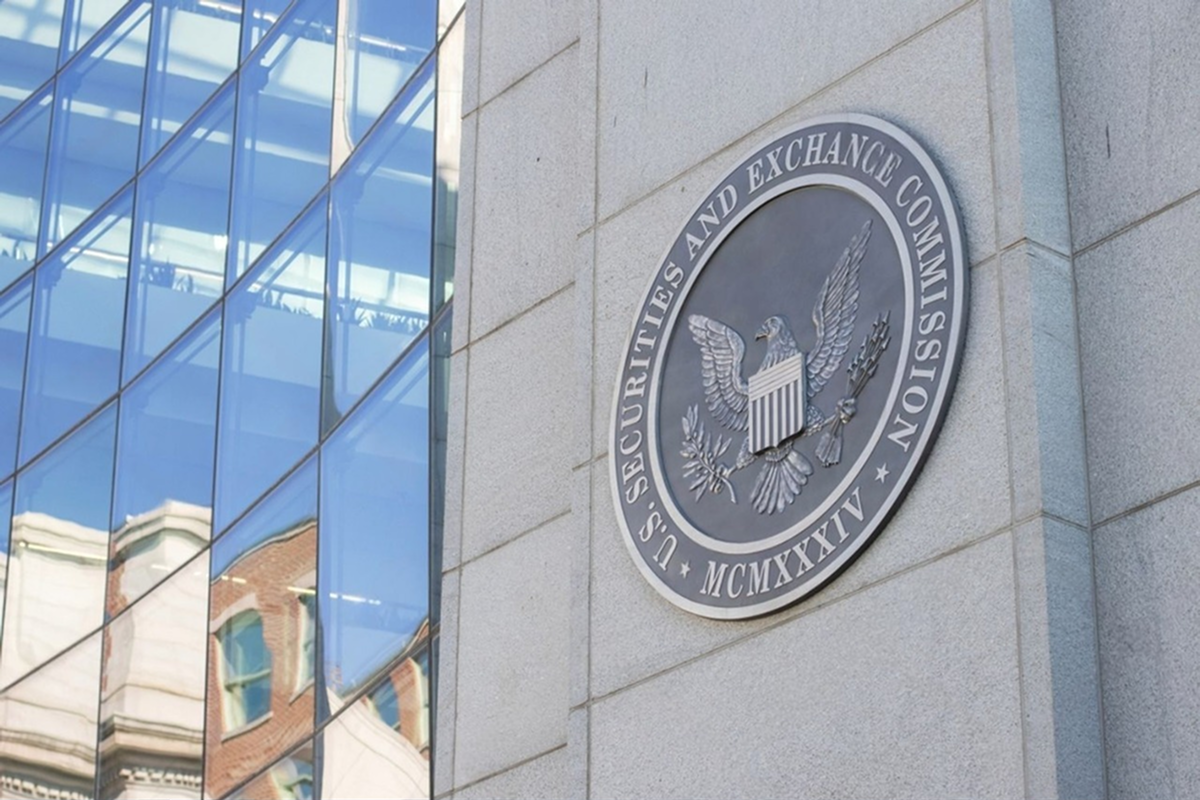
- The U.S. Securities and Exchange Commission’s proposed crypto custody framework could create clearer rules for how investment advisers and funds safeguard digital assets.
- The proposal may influence how traditional financial institutions approach cryptocurrency services, compliance structures, and client asset protection.
- Custody remains one of the most important infrastructure issues for institutional crypto adoption, alongside regulation, liquidity, and risk management.
The U.S. Securities and Exchange Commission’s latest proposal on crypto custody rules represents a significant development in the relationship between traditional finance and digital assets. As institutional participation in cryptocurrencies continues expanding, regulators are increasingly focused on ensuring that digital asset ownership, storage, and client protections follow established financial market standards.
The framework arrives as the crypto industry moves deeper into institutional adoption, with exchange-traded products, asset managers, and financial firms seeking clearer operational guidelines. For investors, the discussion is not only about compliance but also about whether stronger custody standards could improve confidence in the broader digital asset ecosystem.
Custody Becomes a Central Issue for Institutional Adoption
Crypto custody has long been considered one of the biggest challenges preventing wider participation from large financial institutions. Unlike traditional securities held through established custodians, digital assets require specialized infrastructure involving private keys, blockchain security systems, and operational controls.
The SEC’s proposed framework focuses on how investment advisers and funds should handle custody responsibilities when managing crypto assets. The goal is to establish stronger safeguards around asset protection, recordkeeping, and oversight.
This issue has become increasingly important as institutional exposure to crypto markets grows. The approval of multiple spot Bitcoin exchange-traded funds (ETFs) in the United States has brought significant traditional capital into digital assets, increasing demand for reliable custody solutions.
Potential Impact on Banks, Funds, and Crypto Platforms
A clearer regulatory approach could influence how banks, asset managers, and financial service providers participate in cryptocurrency markets. Institutions that previously avoided digital assets because of regulatory uncertainty may find more defined custody standards easier to integrate into existing compliance frameworks.
However, the proposal could also create additional requirements for companies already operating in the sector. Crypto exchanges, custodians, and service providers may need to strengthen reporting systems, cybersecurity measures, and operational procedures to meet regulatory expectations.
The balance between investor protection and market innovation will remain a key consideration. Industry participants have historically argued that overly restrictive rules could limit technological development, while regulators have emphasized the importance of reducing risks associated with digital asset ownership.
Market Reaction and Institutional Confidence
The crypto market has increasingly linked regulatory clarity with institutional participation. Bitcoin, the largest cryptocurrency by market capitalization, has traded around the $80,000-plus range in recent market activity, while institutional products continue attracting attention from professional investors.
Beyond short-term price movements, custody regulation addresses a deeper structural question: whether digital assets can operate within the same risk-management frameworks used by traditional financial markets.
For institutional investors, custody is not simply a technical issue. It affects governance, compliance obligations, insurance considerations, and the ability to manage client assets at scale.
What Investors Will Watch Next
The SEC’s proposal represents one step in the continuing development of U.S. crypto regulation. The next stage will involve market responses, potential revisions, and how regulators balance innovation with financial safeguards.
As digital assets become increasingly connected with traditional investment markets, custody standards will likely remain a major factor influencing institutional participation. The effectiveness of the framework will depend on whether it provides meaningful investor protections while allowing financial institutions and technology providers to continue developing crypto-related services.
Comparison, examination, and analysis between investment houses
Leave your details, and an expert from our team will get back to you as soon as possible