Key Points:
- Tether is expanding USDT support back to Bitcoin after nearly a decade, reconnecting the world’s largest stablecoin with its original blockchain environment.
- The move reflects renewed interest in Bitcoin-based financial infrastructure as stablecoins continue becoming a critical component of digital asset markets.
- Investors are monitoring whether Bitcoin-based USDT adoption can create meaningful liquidity growth while balancing network limitations and operational risks.
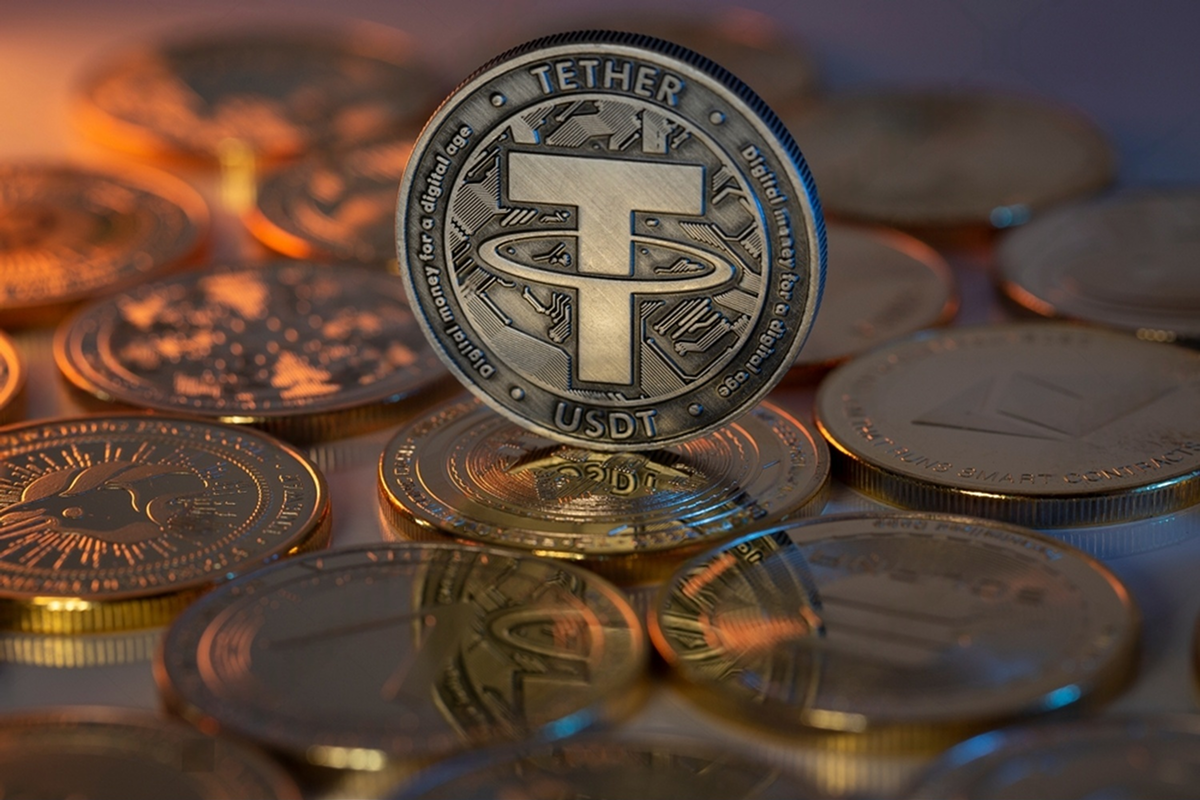
Tether’s USDT is returning to the Bitcoin ecosystem after approximately ten years, marking a significant development in the evolution of stablecoin infrastructure. The move comes as digital asset markets increasingly focus on interoperability, settlement efficiency, and the role of stablecoins in global crypto liquidity.
The expansion does not represent a complete shift away from other blockchain networks but highlights Bitcoin’s continued relevance beyond being a store-of-value asset. As institutional participation in crypto markets grows, stablecoins remain central to trading activity, payments, and decentralized financial applications.
Bitcoin Regains a Role in Stablecoin Infrastructure
USDT originally launched on Bitcoin through the Omni Layer, a protocol built on top of Bitcoin that allowed users to issue and transfer digital assets. However, as blockchain ecosystems expanded, Tether moved significant activity to networks such as Ethereum, Tron, and other platforms offering faster transactions and greater smart contract functionality.
Today, USDT remains the largest stablecoin by market capitalization, with a supply exceeding $100 billion and representing a substantial portion of daily cryptocurrency trading volume. The stablecoin is widely used as a settlement asset across exchanges, decentralized finance platforms, and institutional trading environments.
The return to Bitcoin infrastructure reflects renewed attention toward Bitcoin’s security model and long-term network resilience. However, the impact will depend on adoption levels, transaction efficiency, and whether users choose Bitcoin-based USDT over established alternatives.
Network Strategy and Previous Support Changes
Tether’s latest announcement describes the move as an expansion of Bitcoin support rather than a replacement of existing networks. The company has not indicated that it plans to remove USDT from major blockchain platforms where it currently operates.
However, Tether’s history shows that blockchain support can change over time. In September 2025, the company ended support for several older networks, including Omni, the Bitcoin-based system where USDT was first introduced. The decision reflected shifting market demand and the need to focus resources on networks with stronger usage and infrastructure.
For crypto investors, the development highlights an important consideration: stablecoin availability depends not only on market demand but also on technical performance, security, regulatory conditions, and ecosystem activity.
Institutional Relevance and Market Implications
The expansion of USDT on Bitcoin arrives during a period of increasing institutional interest in blockchain-based settlement systems. Bitcoin’s market capitalization remains above $1 trillion, making it the dominant digital asset by value, while stablecoins have become essential liquidity tools across the broader crypto economy.
Institutional participants have increasingly examined stablecoins as potential infrastructure for faster payments, treasury management, and cross-border transactions. A Bitcoin-compatible version of USDT could strengthen Bitcoin’s role in financial applications beyond traditional asset ownership.
At the same time, investors remain focused on practical adoption metrics, including transaction volumes, user demand, network costs, and integration by exchanges and financial platforms. The existence of a product does not automatically guarantee widespread usage.
What Investors Will Monitor Next
The return of USDT to Bitcoin represents a strategic development in the broader competition between blockchain networks for financial activity. Future adoption will depend on whether Bitcoin’s infrastructure can support stablecoin activity at scale while maintaining efficiency and reliability.
Market participants will closely watch transaction growth, ecosystem integration, and Tether’s broader network strategy. The development also reinforces a wider trend in crypto markets: major digital assets are increasingly being evaluated not only by price performance but by their ability to support real-world financial applications.
Comparison, examination, and analysis between investment houses
Leave your details, and an expert from our team will get back to you as soon as possible