Key Points:
- Circle launched Circle Wrapped Bitcoin (cirBTC), a 1:1 Bitcoin-backed token designed to bring BTC liquidity into Ethereum and Arc-based smart contract applications.
- The new product allows Bitcoin holders to use BTC as collateral in supported lending, trading, and liquidity markets without selling their underlying Bitcoin holdings.
- The launch reflects a broader trend of integrating Bitcoin into decentralized finance as institutional demand for blockchain-based financial infrastructure continues to develop.
Circle has expanded Bitcoin’s role within decentralized finance by launching Circle Wrapped Bitcoin (cirBTC) on its Arc blockchain and the Ethereum network. The move comes as crypto markets continue to evolve toward greater interoperability, with investors seeking ways to increase the utility of digital assets while maintaining exposure to major cryptocurrencies such as Bitcoin.
The introduction of cirBTC represents another step in the development of tokenized financial infrastructure, allowing Bitcoin holders to access smart contract-based applications without converting their BTC into other assets. The launch also highlights the growing competition among blockchain networks to provide institutional-grade financial tools.
Bitcoin Liquidity Moves Deeper Into DeFi Markets
Circle Wrapped Bitcoin is designed as a 1:1 BTC-backed representation of Bitcoin, enabling BTC to operate within blockchain environments that cannot directly interact with native Bitcoin transactions. Unlike traditional wrapped assets that may introduce additional structures or risks, Circle stated that cirBTC is not a derivative or yield-bearing product, but rather a digital representation of Bitcoin that can be used across supported applications.
The significance of the launch lies in Bitcoin’s market scale. Bitcoin remains the largest cryptocurrency by market capitalization, with a market value above $1 trillion during periods of elevated market activity. However, much of Bitcoin’s liquidity has historically remained outside smart contract ecosystems. Products such as cirBTC aim to bridge this gap by allowing BTC capital to participate in decentralized lending, trading, and liquidity markets.
For institutional investors, the development reflects a broader shift toward making established digital assets more productive within blockchain-based financial systems while preserving their underlying exposure.
Arc and Ethereum Become Strategic Infrastructure Layers
Circle’s decision to launch cirBTC on both Ethereum and its own Arc blockchain highlights the importance of interoperability in the expanding digital asset ecosystem. Ethereum remains the dominant smart contract platform, supporting thousands of decentralized applications and holding significant liquidity across decentralized finance protocols.
At the same time, Circle’s Arc blockchain represents an effort to build infrastructure optimized for financial applications. The expansion of Bitcoin functionality across multiple networks reflects increasing demand for faster settlement, programmable assets, and blockchain-based financial services.
Market participants are increasingly focused on how blockchain infrastructure can support institutional adoption. According to industry data, decentralized finance markets have historically experienced significant fluctuations, with total value locked moving from more than $170 billion at previous market peaks to lower levels during crypto downturns. This volatility underscores both the opportunity and the risks associated with expanding digital asset utility.
Institutional Adoption and Regulatory Considerations
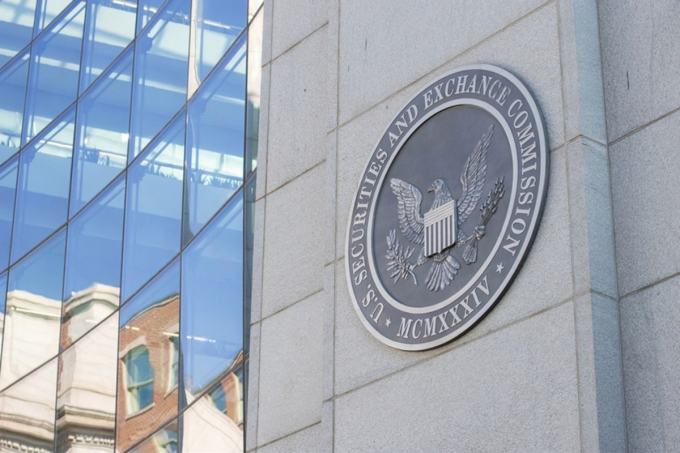
The launch arrives as regulators and financial institutions continue examining tokenization, stablecoins, and blockchain-based settlement systems. Circle has become one of the major companies operating at the intersection of traditional finance and digital assets, particularly through its stablecoin infrastructure.
For professional investors, the introduction of cirBTC raises important considerations around custody, transparency, smart contract security, and regulatory frameworks. While tokenized versions of major assets can improve accessibility and efficiency, they also introduce additional technological dependencies compared with holding native assets directly.
Investor behavior around products like wrapped Bitcoin is likely to depend on confidence in reserves, operational transparency, and the reliability of supporting blockchain infrastructure. These factors remain central as institutions evaluate digital asset strategies.
What Investors Will Watch Next
The launch of cirBTC represents another attempt to connect Bitcoin’s established liquidity base with the expanding world of programmable finance. Future adoption will likely depend on market demand, integration with decentralized applications, liquidity growth, and the broader regulatory environment surrounding tokenized assets.
As blockchain infrastructure continues to mature, investors will monitor whether products such as cirBTC can meaningfully increase Bitcoin’s utility while maintaining the transparency and security standards required by institutional participants. The development also reflects a wider trend toward bringing traditional financial concepts, including collateralization and asset representation, into blockchain-based markets.
Comparison, examination, and analysis between investment houses
Leave your details, and an expert from our team will get back to you as soon as possible