Key Points:
- Rapid access to electricity is becoming a competitive advantage as AI infrastructure customers prioritize data center projects that can deliver computing capacity sooner, even if facilities are smaller.
- Financing remains available but increasingly expensive, with higher interest rates, elevated investor return requirements and closer scrutiny of lease counterparties raising capital costs across the sector.
- Project development is advancing unevenly: Moses Lake has broken ground, while permits for Sharon and Panther Creek are progressing. Projects in Quebec and the planned Scrubgrass campus remain dependent on additional power approvals and infrastructure.
Bitfarms Ltd. is pursuing opportunities in artificial intelligence (AI) infrastructure as demand for data center capacity intensifies competition for electricity, suitable sites and financing. The shift reflects a broader transition among Bitcoin mining companies seeking to capitalize on AI computing demand, although execution will depend on power availability, permitting timelines and the cost of developing large-scale facilities.
Power Availability Is Becoming a Competitive Advantage
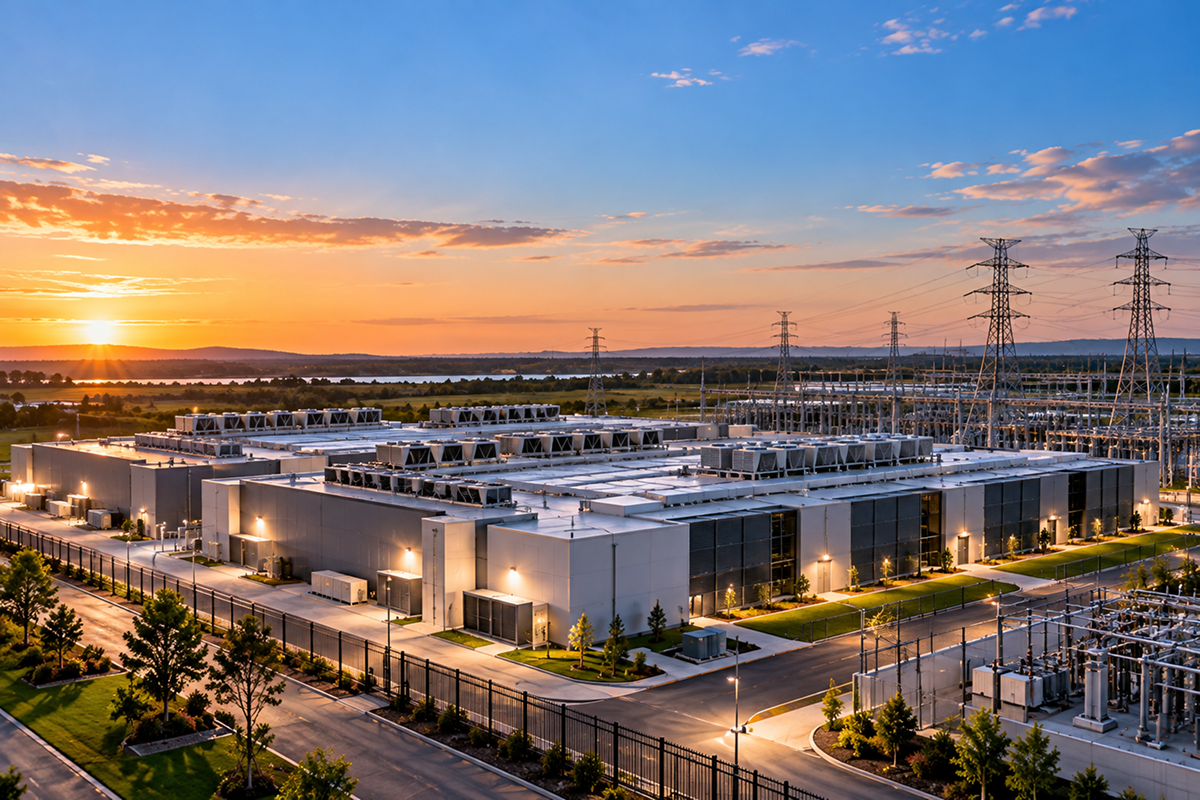
Access to electricity is emerging as a critical factor in AI data center development. Customers are increasingly willing to consider smaller sites if they can deploy computing capacity sooner, supporting pricing for developers that can offer reliable delivery schedules.
For Bitfarms, this dynamic makes speed to power a potentially important commercial advantage. Data center operators cannot monetize computing infrastructure until sufficient electrical capacity and supporting facilities are available. Projects with clearer deployment timelines may therefore become more attractive than larger developments facing prolonged utility negotiations or construction delays.
However, access to electricity alone does not guarantee commercial success. Developers must also secure suitable infrastructure, meet technical requirements and demonstrate that projects can be delivered within customers’ expected time frames.
Financing Costs Complicate AI Infrastructure Expansion
Although capital remains available for data center development, financing conditions have become more demanding. Higher interest rates, increased investor discount rates and greater scrutiny of lease counterparties are raising the cost of debt and equity financing.
These pressures matter because AI infrastructure requires substantial upfront investment in power systems, buildings, cooling equipment and computing facilities. Higher financing costs can reduce project returns and make developers more selective about which sites receive capital.
The source material also highlights Keel’s reported liquidity position of nearly $825 million, with funding visibility extending through at least 2028. That figure provides context for financing conditions within the broader data center sector, but it should not be interpreted as Bitfarms’ own liquidity or available funding.
For investors assessing Bitfarms, the distinction between announced development plans and secured project financing remains important. Capital availability must ultimately translate into completed facilities, contracted demand and sustainable operating economics.
Permitting and Infrastructure Determine Project Timelines
Bitfarms’ development pipeline is progressing at different speeds. Moses Lake has broken ground, marking a tangible construction milestone, while permitting work at Sharon and Panther Creek continues to advance.
Other projects face more substantial dependencies. Developments in Quebec and the planned Scrubgrass campus remain contingent on obtaining additional power approvals and securing the necessary infrastructure. These requirements create uncertainty around delivery schedules and the timing of potential revenue generation.
For AI infrastructure customers, delayed power approvals can postpone the deployment of computing capacity. For developers, such delays can increase carrying costs, complicate financing arrangements and reduce the value of otherwise attractive sites. Consequently, permitting progress and confirmed power capacity are important indicators of whether a development pipeline can convert into operational assets.
What Investors Should Monitor Next
Bitfarms’ AI infrastructure ambitions reflect an opportunity to participate in demand for computing capacity beyond cryptocurrency mining. Nevertheless, the economics of AI data centers differ from those of Bitcoin mining, and success will depend on customer contracts, infrastructure investment, power costs and the ability to deliver projects on schedule.
Investors will be watching construction progress at Moses Lake, permitting developments at Sharon and Panther Creek, and the resolution of power constraints affecting Quebec and Scrubgrass. The key question is whether Bitfarms can turn its development pipeline into commercially productive capacity while controlling capital costs. Reliable power access, timely approvals and disciplined financing will determine how much of the potential AI infrastructure opportunity the company can ultimately capture.
Comparison, examination, and analysis between investment houses
Leave your details, and an expert from our team will get back to you as soon as possible