Key Points:
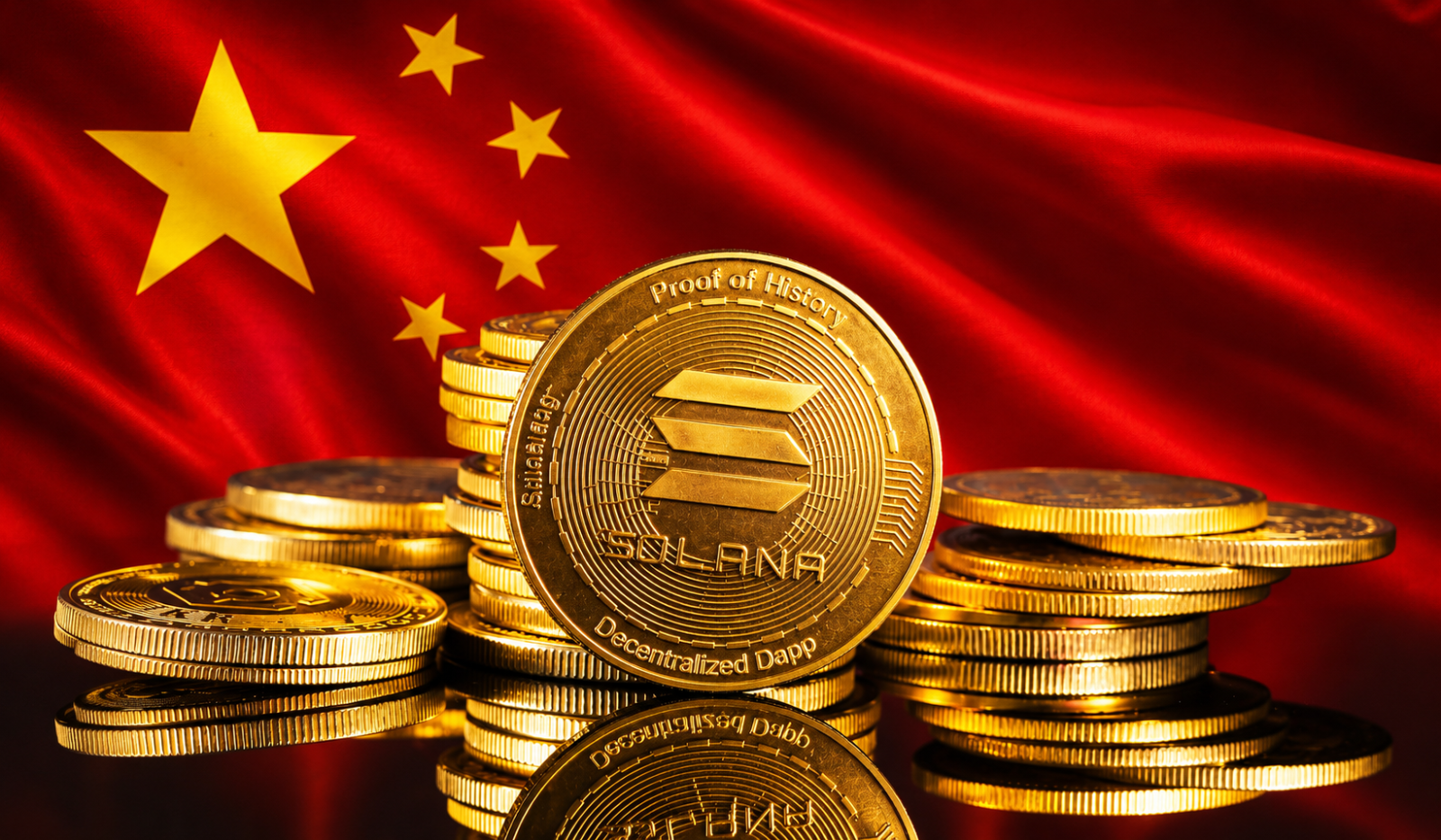
- Shanghai Event Disrupted: Chinese authorities reportedly halted Solana Accelerate in Shanghai over alleged unauthorized promotional activities involving domestic entities.
- Regulatory Restrictions Remain in Force: A People’s Bank of China official alleged that Solana promoted its brand through local entities and provided technical services supporting cryptocurrency issuance and trading, activities described as prohibited under Chinese regulations.
- Broader Implications for Blockchain Events: The reported intervention highlights how China’s restrictions extend beyond cryptocurrency trading to promotional campaigns, industry events, and activities connected to digital asset infrastructure.
China’s regulatory restrictions on cryptocurrency-related activities are creating additional challenges for international blockchain organizations seeking to maintain a presence in the country. The reported suspension of Solana Accelerate in Shanghai illustrates how promotional activities and local partnerships can attract regulatory scrutiny, even when an event is not directly focused on cryptocurrency trading.
According to China’s state-backed Financial News, authorities halted the event over alleged unauthorized promotional activities involving domestic entities. The development underscores the regulatory uncertainty facing blockchain organizations operating in mainland China, where restrictions extend across several aspects of the digital asset industry.
Chinese Authorities Cite Unauthorized Promotional Activities
Financial News reported on Friday that Chinese authorities halted the Solana Accelerate event in Shanghai after identifying promotional activities that allegedly violated domestic restrictions.
The publication cited an unidentified official from a department of the People’s Bank of China (PBOC), who claimed that Solana had promoted its brand through domestic entities. The reported activities included advertisements displayed on a building in Shanghai’s Lujiazui financial district, a major financial center.
The official also alleged that Solana provides technical services supporting cryptocurrency issuance and trading, which the official characterized as illegal financial activities under Chinese regulations.
The reported intervention indicates that authorities are examining not only direct cryptocurrency transactions but also the promotional and technical activities of organizations associated with digital asset ecosystems.
However, the allegations were attributed to an unidentified PBOC official through Financial News. The report did not establish that Solana had publicly acknowledged violating Chinese regulations.
Second Reported Disruption of a Solana Event in Mainland China
The Shanghai incident follows another reported disruption involving a Solana-related event in mainland China.
An October 2025 event in Shenzhen was cut short amid concerns involving venue capacity and public safety, according to an announcement from Solana’s Chinese-speaking community on X.
Solana Foundation President Lily Liu also addressed the Shanghai event in an October 16 post, stating that organizers had postponed it to comply with local requirements after registrations unexpectedly increased to approximately four times the expected level.
The registration increase reportedly exceeded the event capacity previously submitted to local authorities.
The differing explanations highlight the importance of distinguishing between the reported registration and capacity concerns communicated by event organizers and the separate allegations of unauthorized promotion described by Financial News.
Together, the incidents demonstrate the operational difficulties blockchain organizations may encounter when organizing public events in mainland China.
China’s Restrictions Extend Beyond Cryptocurrency Trading
The reported intervention comes amid continued enforcement of China’s restrictions on cryptocurrency-related activities.
In a February notice, the PBOC and several other government agencies reaffirmed existing restrictions and introduced an additional prohibition concerning the unauthorized issuance of yuan-pegged stablecoins.
The regulatory framework places constraints on activities associated with cryptocurrency issuance, trading, and related financial services. The latest allegations involving Solana suggest that promotional campaigns and the use of domestic entities may also attract scrutiny from authorities.
For international blockchain organizations, the regulatory environment creates additional considerations when engaging local partners, organizing industry events, or providing technical services connected to digital assets.
Outlook
The reported suspension of Solana Accelerate highlights the continuing limitations facing cryptocurrency and blockchain organizations operating in mainland China. While international blockchain ecosystems continue expanding through developer communities, industry events, and infrastructure partnerships, China’s regulatory approach maintains strict boundaries around activities connected to digital assets.
For Solana and other blockchain organizations, future engagement with the Chinese market will depend on compliance with local requirements and careful oversight of promotional activities, domestic partnerships, and technical services.
Investors and industry participants should monitor further regulatory guidance from the PBOC and related agencies, particularly concerning stablecoin issuance, blockchain infrastructure, and the activities of foreign digital asset organizations. The distinction between permitted blockchain-related technology development and restricted cryptocurrency business activities will remain important in assessing the region’s regulatory environment.
Comparison, examination, and analysis between investment houses
Leave your details, and an expert from our team will get back to you as soon as possible