Key Points:
- The U.S. Dollar Index (DXY) reached 101.10 on November 4, its lowest level in five weeks, following the Democrats’ reported congressional victories in the midterm elections.
- The 10-year Treasury yield declined from approximately 5.3% in early October to 4.92% on November 4, reducing the relative appeal of dollar-denominated assets.
- Stronger-than-expected October employment data supported expectations of another Federal Reserve rate hike in December, helping the dollar recover to 102.28 on November 6.
The U.S. dollar is facing renewed pressure as political uncertainty, declining Treasury yields, and concerns about the outlook for American economic growth reshape currency-market expectations. Following the Democrats’ reported victory in both chambers of Congress during the November midterm elections, the Dollar Index experienced its sharpest post-election setback in weeks. However, stronger employment figures subsequently supported a recovery, leaving investors to assess whether the recent weakness represents a temporary adjustment or the beginning of a broader shift in dollar sentiment.
Political Uncertainty Adds Pressure to the Dollar
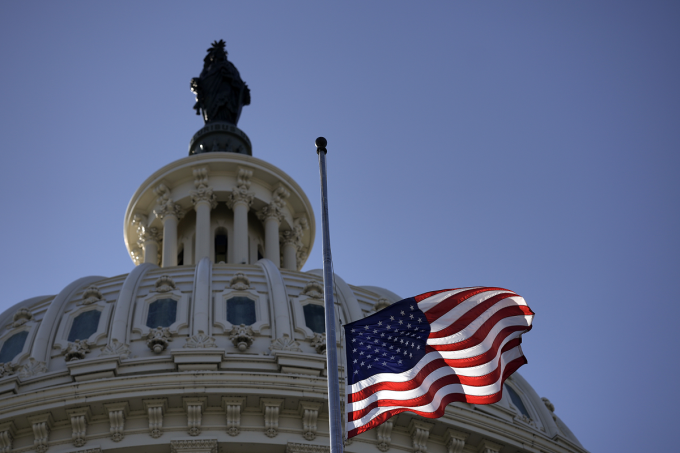
The Democratic sweep of Congress has introduced uncertainty surrounding the Trump administration’s economic and legislative agenda. A divided political environment could make it more difficult for the White House to advance major spending initiatives and partisan legislation, potentially changing expectations for future government borrowing and fiscal stimulus.
Invesco strategist David Chao noted that Democratic control of Congress would make it harder for the administration to pass major partisan legislation, according to Channels. For currency investors, the implications extend beyond Washington politics. Expectations surrounding fiscal spending, government borrowing, and economic growth can influence Treasury yields and the relative attractiveness of the U.S. dollar.
The political outcome has also raised concerns about potential congressional oversight of artificial intelligence. Investors are assessing whether tighter scrutiny could affect an industry that has become an important driver of U.S. investment and technology-market valuations.
Falling Treasury Yields Weaken Dollar Demand
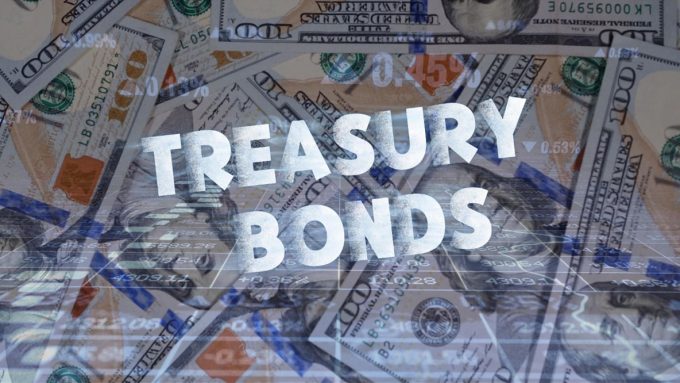
Bond-market movements have been another important factor behind the currency’s decline. The yield on the 10-year U.S. Treasury fell from approximately 5.3% in early October to 4.92% on November 4. Lower yields can reduce the relative return available from dollar-denominated investments, potentially weakening international demand for the currency.
The U.S. Dollar Index, which measures the dollar against a basket of six major currencies, touched 101.10 on November 4, approximately 1.7% below its October peak of 102.87. Despite the decline, the index remained around 4% higher in 2026. It subsequently recovered to 102.28 on November 6, indicating that market expectations remain unsettled.
The movement in Treasury yields is particularly important because currency markets respond not only to current interest rates but also to expectations about future Federal Reserve policy. A sustained decline in yields could place additional pressure on the dollar, while renewed expectations of monetary tightening could support it.
Strong Employment Data Complicates the Bearish Outlook
Recent economic figures have challenged the view that the dollar is entering a sustained decline. The United States added 165,000 jobs in October, substantially exceeding market expectations. The stronger employment report reinforced expectations that the Federal Reserve could raise interest rates again in December.
Higher interest-rate expectations can improve the relative attractiveness of dollar-denominated assets, helping explain the currency’s recovery on November 6. The employment data also illustrates why political uncertainty alone may not determine the dollar’s direction. Economic growth, labor-market resilience, inflation, and monetary policy remain equally important considerations.
What Dollar Weakness Means for Stocks and Cryptocurrency
A weaker dollar can have mixed consequences for financial markets. For multinational U.S. companies, currency depreciation may increase the dollar value of overseas earnings. It can also ease certain financial conditions for international borrowers with dollar-denominated liabilities. However, if dollar weakness contributes to renewed inflation or higher interest-rate expectations, growth-oriented equities may face additional valuation pressure.
Bitcoin and other cryptocurrencies can also benefit from periods of dollar weakness and declining Treasury yields, as investors reassess the relative attractiveness of risk assets. Nevertheless, the relationship is not automatic. Bitcoin declined more than 5% during the recent AI-driven market selloff, demonstrating that broader concerns about economic conditions and investor risk appetite can outweigh supportive currency movements.
The next phase for the dollar will depend heavily on incoming inflation data, Treasury-market movements, and the Federal Reserve’s response. Investors should pay particular attention to the 101 level in the Dollar Index, identified in the source as an important support zone, alongside changes in the 10-year Treasury yield. Whether the dollar resumes its decline or extends its recovery will help shape the environment for U.S. equities, international capital flows, and cryptocurrency markets in the months ahead.
Comparison, examination, and analysis between investment houses
Leave your details, and an expert from our team will get back to you as soon as possible