Key Points:
- Avalanche will provide the core ledger technology for clearing and settlement on an upcoming digital trading platform affiliated with the New York Stock Exchange, marking a significant institutional development for the blockchain network.
- The planned platform is designed to support 24/7 trading, clearing and settlement, with NYSE technology handling trade matching and Avalanche providing the underlying settlement infrastructure.
- The initiative remains subject to regulatory approval and forms part of a wider Wall Street effort to integrate tokenized securities into established financial markets.
The New York Stock Exchange’s selection of Avalanche for the settlement infrastructure of its planned tokenized securities platform represents a significant step in the convergence of traditional financial markets and blockchain technology. The development comes as major financial institutions explore onchain trading, faster settlement and digital representations of conventional securities, creating new opportunities for blockchain infrastructure providers while raising important regulatory and operational questions.
Avalanche Takes a Central Role in NYSE’s Tokenization Strategy
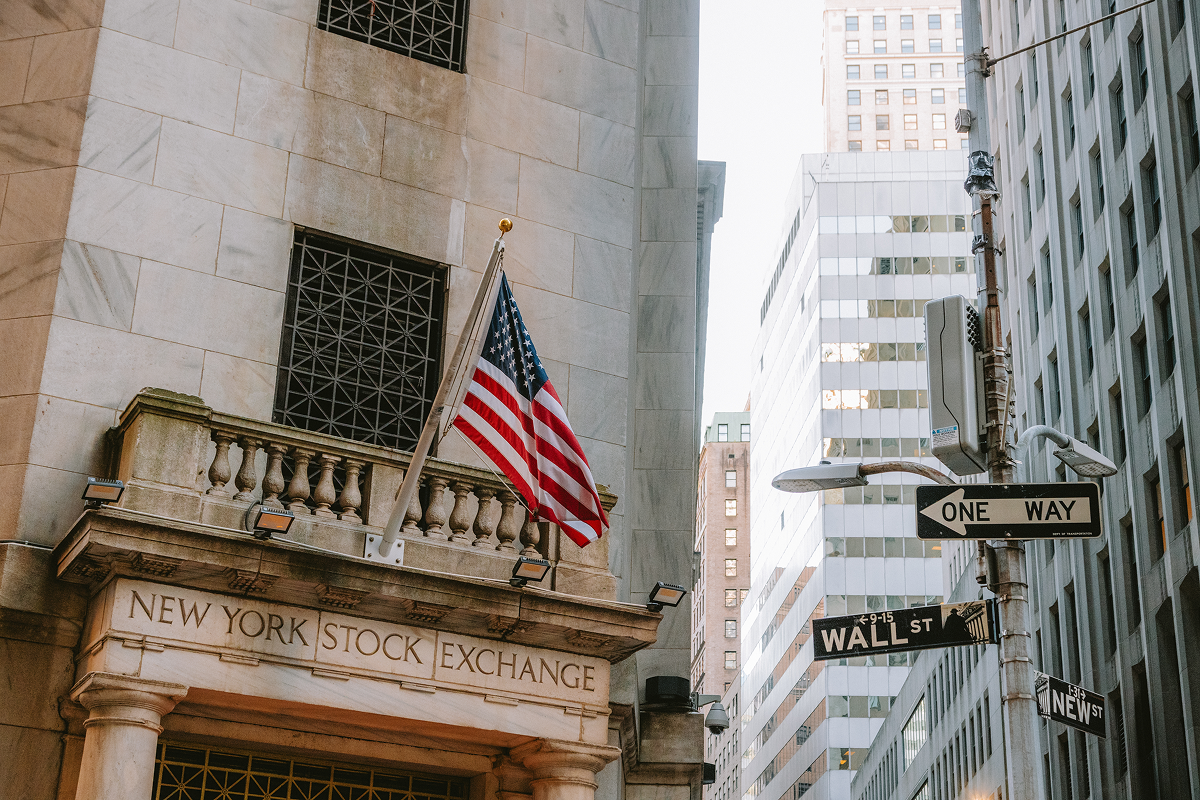
Ava Labs announced on November 9, 2026, that Avalanche will provide the core ledger technology for the clearing firm supporting an upcoming digital alternative trading system (ATS) affiliated with the NYSE. The platform is being developed to facilitate trading and onchain settlement of tokenized securities, subject to applicable regulatory approvals.
The distinction between trading and settlement is important. The NYSE’s existing Pillar technology will handle the matching of buy and sell orders, while Avalanche will provide the ledger infrastructure responsible for recording and settling transactions. According to NYSE Head of Digital Issuance Dennis Lee, the platform will support equities listed across multiple blockchains, while its settlement ledger must deliver speed, reliability, controlled participation and predictable costs.
The selection follows approximately one year of testing involving Avalanche technology and its integration with the exchange’s existing systems. The platform is designed to support 24-hour trading, clearing and settlement for subscribers, although its commercial launch remains dependent on regulatory authorization.
Tokenized Securities Require More Than Blockchain Settlement
The broader NYSE initiative extends beyond transferring ownership records onto a blockchain. Its January 2026 platform announcement outlined plans for 24/7 trading, fractional share transactions, dollar-denominated orders and funding through stablecoins. It also described a structure designed to accommodate tokenized shares that remain fungible with traditionally issued securities, alongside securities issued natively in digital form.
Supporting these capabilities requires established financial infrastructure, particularly for shareholder records, corporate actions and voting rights. On November 2, the NYSE added Broadridge Financial Solutions, Computershare, Equiniti and Superstate to its planned platform. Computershare, Equiniti and Broadridge collectively serve nearly 5,000 publicly listed companies, including almost 99% of the S&P 500, according to the exchange’s announcement as reported by CoinDesk.
These partnerships demonstrate that institutional tokenization depends on coordination between blockchain networks and traditional financial service providers. Faster settlement alone will not establish a viable securities market without reliable custody, shareholder identification and mechanisms for preserving investor rights.
Wall Street’s Blockchain Competition Is Intensifying
Avalanche’s selection comes amid growing competition among financial institutions and blockchain networks seeking a role in tokenized capital markets. Nasdaq is developing its own tokenized securities infrastructure, while the Depository Trust & Clearing Corporation has introduced a separate tokenization initiative involving Canton Network and a private Besu blockchain.
These developments indicate that institutional adoption is moving beyond isolated tokenized fund launches and experimental transactions. Major market infrastructure providers are increasingly examining how blockchain can become part of the systems supporting securities issuance, trading, clearing and custody. However, different institutions are pursuing different technical models, meaning the market is unlikely to depend on a single blockchain network.
What the NYSE Development Means for Avalanche and AVAX
For Avalanche, the announcement provides institutional validation of its infrastructure capabilities and potentially expands its relevance beyond decentralized finance and digital asset applications. Supporting settlement for a major exchange-affiliated platform could strengthen its position in the market for enterprise blockchain services.
Nevertheless, the announcement should not be interpreted as a guarantee of increased AVAX demand or token-price appreciation. The disclosed agreement concerns Avalanche’s role in the platform’s ledger infrastructure; it does not establish transaction volumes, fee generation, or the extent to which activity will translate into demand for the network’s native token.
The next milestones will be regulatory approval, implementation, and evidence that the platform can process transactions reliably at institutional scale. Investors will also need to monitor how settlement activity is structured and whether tokenized equities attract meaningful participation from brokers, institutions and market makers. Avalanche has secured an important position in Wall Street’s blockchain expansion, but sustained commercial adoption will ultimately determine the financial significance of the development.
Comparison, examination, and analysis between investment houses
Leave your details, and an expert from our team will get back to you as soon as possible