Key Points:
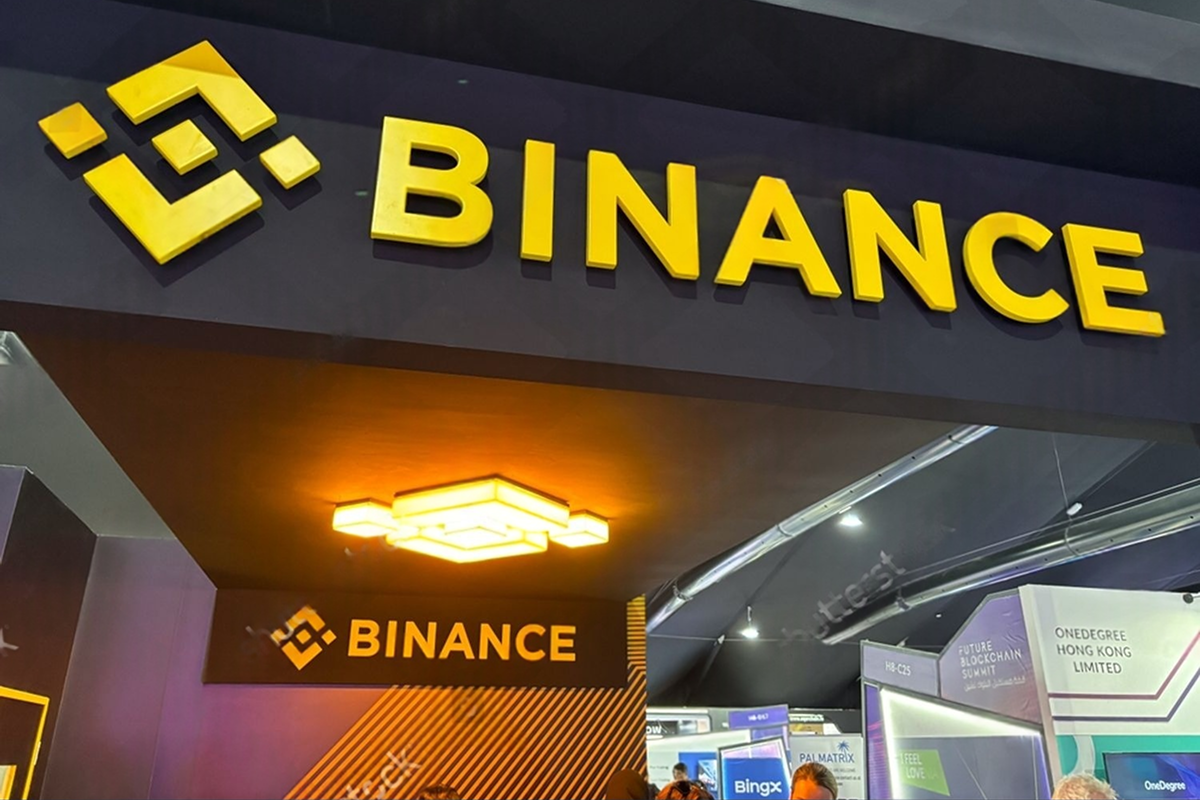
- Binance has begun blocking transfers involving MEXC following the U.S. Treasury’s designation of the exchange as a Primary Money Laundering Concern.
- FinCEN alleges MEXC processed at least $16.7 billion in illicit funds, including transactions connected to sanctions evasion, ransomware, darknet markets and cybercrime.
- MEXC is reviewing the order and its compliance controls, while blockchain investigator ZachXBT has questioned the accuracy of the Treasury’s overall transaction estimate.
Binance has introduced restrictions on transfers involving cryptocurrency exchange MEXC after the U.S. Treasury accused the platform of facilitating billions of dollars in illicit financial activity. The action follows a designation by the Financial Crimes Enforcement Network (FinCEN), which identified MEXC as a Primary Money Laundering Concern on November 6 under Section 9714 of the Combating Money Laundering Act. The development highlights how U.S. enforcement decisions can influence compliance policies across international digital-asset markets, even when foreign platforms are not directly subject to the same restrictions.
Binance Extends Compliance Measures Beyond U.S. Restrictions
In a statement published on X, Binance said it was applying enhanced compliance measures following FinCEN’s designation. The exchange confirmed that it would reject transfers to MEXC and review other related account activity.
The Treasury order prohibits U.S. financial institutions from processing transactions involving MEXC. Although the restriction does not directly apply to foreign exchanges, Binance has chosen to implement its own controls, demonstrating how international platforms may respond to U.S. regulatory developments to manage potential compliance exposure.
For Binance customers, the measures could result in additional transaction reviews or account restrictions where connections to MEXC are identified. This creates operational considerations for users moving assets between exchanges, particularly when transaction histories or counterparties trigger enhanced compliance checks.
FinCEN Details Alleged Links to Sanctions Evasion and Cybercrime
FinCEN’s case includes allegations involving transactions connected to Russian, Iranian and North Korean sanctions evasion, as well as ransomware operations, darknet markets and other forms of cybercrime. The agency estimated that MEXC facilitated at least $16.7 billion in illicit funds.
One specific allegation concerns approximately $1 billion in direct transactions involving more than 40 identified Iranian cryptocurrency exchanges between May 2021 and May 2026. The Treasury also identified around $22 million in transactions involving Iran’s sanctioned central bank and the Islamic Revolutionary Guard Corps.
These figures form part of the government’s allegations and should not be interpreted as a final judicial determination of liability. Nevertheless, the scale and geographic reach of the reported activity place MEXC under heightened regulatory scrutiny and raise questions about the effectiveness of its historical anti-money laundering and sanctions controls.
MEXC Responds as Questions Emerge Over the Allegations
MEXC said it was reviewing the Treasury order with its legal and compliance teams. The exchange also announced that it had initiated an independent review of its anti-money laundering and sanctions controls. The statement indicates that the company is assessing the regulatory action, although the supplied report does not provide further details about the review’s scope or findings.
Blockchain investigator ZachXBT separately questioned the Treasury’s figures, arguing that the $16 billion estimate appeared overstated. He also raised concerns about the consistency of enforcement, pointing to other large exchanges that have faced allegations involving illicit transactions without receiving comparable treatment.
The debate is particularly relevant given Binance’s own regulatory history. In 2023, the exchange pleaded guilty to U.S. anti-money laundering and sanctions violations and agreed to pay more than $4.3 billion in penalties. That history adds context to the industry’s broader compliance challenges, but it does not establish that the allegations against MEXC are equivalent to Binance’s resolved case.
Regulatory Risk Could Reshape Exchange Relationships
The immediate impact extends beyond MEXC itself. Binance’s decision illustrates how a regulatory designation affecting one exchange can influence transaction policies at another, potentially disrupting cross-platform liquidity and increasing compliance costs. For institutional participants, counterparty screening, sanctions controls and transparent transaction monitoring remain essential considerations when evaluating exchange relationships.
Investors and market participants will be watching for further details from FinCEN, the outcome of MEXC’s independent compliance review and any additional restrictions adopted by international platforms. The central issue is whether the allegations lead to broader enforcement measures and how consistently regulators apply similar standards across the global cryptocurrency industry.
Comparison, examination, and analysis between investment houses
Leave your details, and an expert from our team will get back to you as soon as possible