Key Points:
- CFTC Chairman Michael Selig said onchain derivatives platforms must follow the same regulatory requirements as traditional exchanges when serving U.S. traders.
- Platforms such as Hyperliquid can pursue U.S. access by obtaining the necessary registrations or partnering with an already registered exchange.
- Regulated partnerships and exchange licensing are emerging as potential pathways for bringing blockchain-based derivatives trading into the U.S. market.
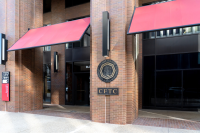
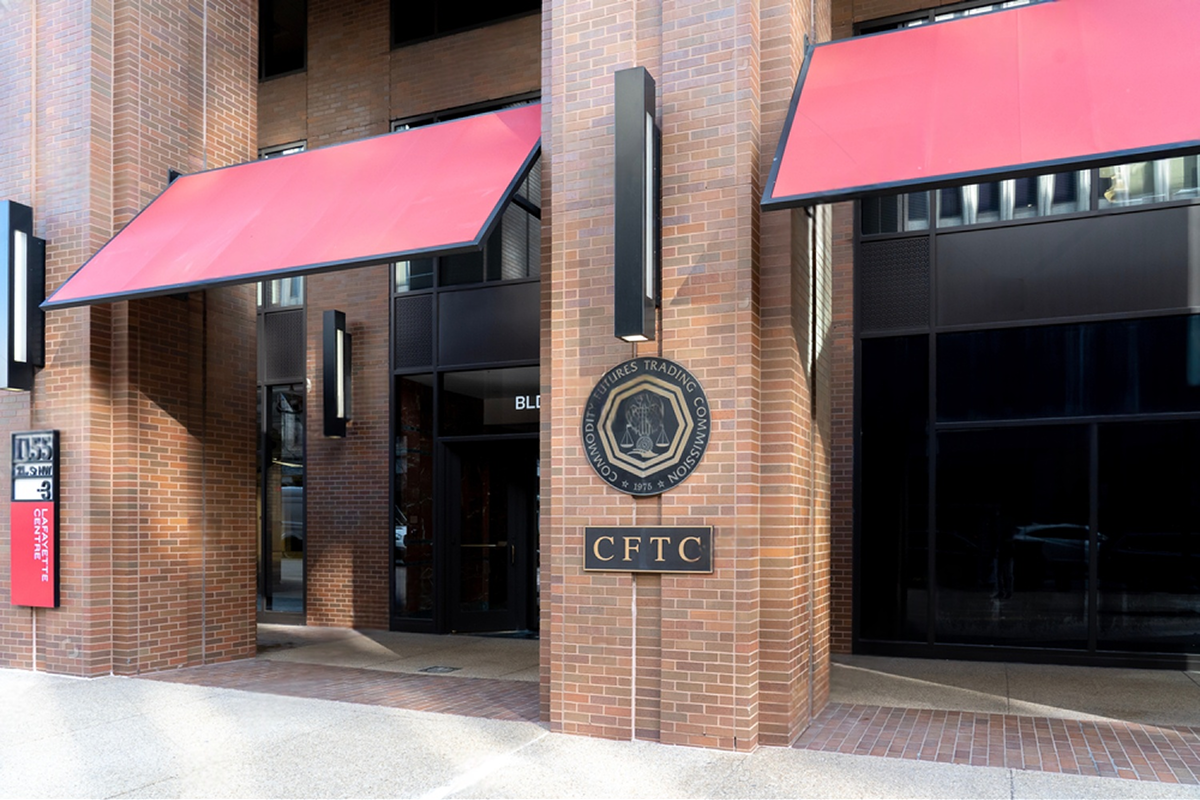
Onchain derivatives platforms seeking access to U.S. retail traders will not receive regulatory exemptions simply because their trading infrastructure operates on blockchain networks, Commodity Futures Trading Commission (CFTC) Chairman Michael Selig said. His remarks clarify the regulator’s position on platforms such as Hyperliquid, as crypto-native exchanges and traditional financial companies increasingly explore ways to bring perpetual futures and other derivatives products into regulated U.S. markets.
Regulatory Compliance Remains the Entry Requirement
Speaking at The Hill and The Block’s Capitol Crypto Forum in Washington, Selig said blockchain-based trading platforms would be subject to the same requirements as conventional derivatives exchanges. Companies seeking to offer derivatives to U.S. retail customers would need to obtain the appropriate regulatory registrations or partner with an exchange that already operates under the required framework.
“We’re not going to treat you differently and say because it’s onchain, you have a different set of requirements,” Selig said, emphasizing that the underlying technology does not change the regulatory obligations governing derivatives trading. The approach places regulatory compliance, rather than blockchain architecture, at the center of market access.
Two Potential Routes Into the U.S. Market
Selig identified exchange registration and partnerships with established registered venues as the primary pathways for crypto-native platforms. He pointed to Backpack as an example of a company pursuing the regulated route, having secured approvals to operate a derivatives exchange and clearinghouse while also registering as a futures broker.
Other firms are pursuing partnership-based arrangements. Payward, the parent company of Kraken, announced plans to offer perpetual futures through CFTC-regulated Bitnomial Exchange using Hyperliquid’s blockchain infrastructure, subject to regulatory approval. Meanwhile, Hyperliquid Strategies disclosed that its subsidiary HypeStrat Markets had applied to become a registered futures commission merchant, potentially supporting access to markets deployed on Hyperliquid.
These initiatives illustrate that regulated access does not necessarily require abandoning blockchain-based trading infrastructure. Instead, companies may incorporate exchange, brokerage and clearing functions within regulated entities while continuing to utilize decentralized technology for aspects of market execution and infrastructure.
Competition, Oversight and Market Access
The regulatory discussion comes as Hyperliquid faces broader scrutiny. In May, CME Group and Intercontinental Exchange called for an investigation into potential market manipulation and sanctions violations on the platform. Neither the CFTC nor the Securities and Exchange Commission has publicly announced enforcement action against Hyperliquid in connection with those concerns.
Separately, Hong Kong’s Securities and Futures Commission added Hyperliquid to its list of suspicious virtual asset trading platforms on November 18, citing licensing concerns. These developments highlight the increasingly complex regulatory environment facing decentralized and blockchain-based trading venues operating across jurisdictions.
Onchain Trading’s U.S. Expansion Depends on Regulatory Execution
Selig argued that allowing crypto trading to operate under federal oversight could help prevent activity from shifting offshore. For onchain derivatives platforms, the challenge will be balancing technological flexibility with requirements covering registration, market surveillance, risk controls and customer protections.
The coming months will likely bring greater attention to licensing applications, exchange partnerships and the development of regulated onchain trading infrastructure. Whether these arrangements can attract substantial U.S. trading activity while preserving the operational advantages of blockchain-based markets will remain a critical test for the sector.
Comparison, examination, and analysis between investment houses
Leave your details, and an expert from our team will get back to you as soon as possible