


The crypto market absorbed a mix of regulatory developments and sentiment-driven pressure today, as U.S. lawmakers proposed a tax exemption for small stablecoin transactions while market indicators suggest traders are not yet confident enough to declare a bottom. Bitcoin remained below key psychological levels, keeping broader digital asset performance muted amid ongoing macro uncertainty.
Market Reaction: Prices Under Pressure and Bearish Signals Strengthen
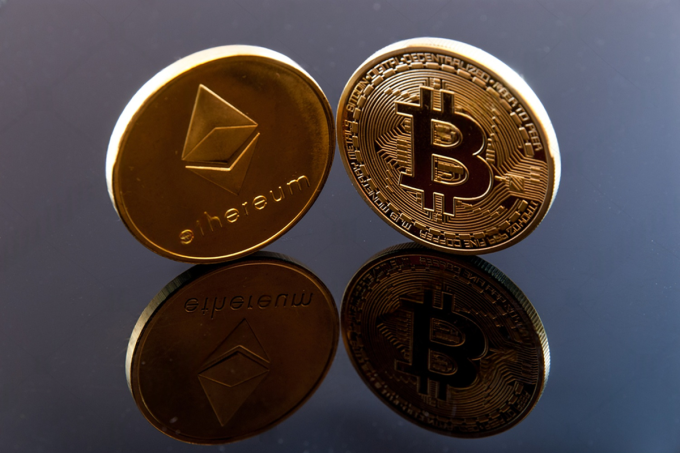
Cryptocurrencies continued to show softness in price action as Bitcoin (BTC) languished below $90,000, a level that has been a focal point for trend analysts. At the time of writing, BTC is trading under this threshold, reflecting continued short-term resistance and sustained selling pressure observed over recent sessions. Ether (ETH), the second-largest digital asset, has also underperformed, trading below its prior levels and indicating limited upside momentum. This pattern aligns with broader market sentiment metrics that show a lack of dominant fear required to confirm a durable bottom, suggesting markets remain vulnerable to further downward swings.
Despite the subdued price action, trading volumes have remained relatively steady, which underscores active participation but not necessarily confidence. Traders appear cautious, reacting to both technical indicators and news flow rather than re-entering positions aggressively. Short-term indicators from sentiment platforms show that fear metrics have not yet spiked to levels historically associated with major lows, signaling that many market participants are still bracing for more downside or awaiting clearer macro direction.
Regulatory and Policy Developments: Stablecoin Tax Proposal
In Washington D.C., lawmakers introduced a proposal aimed at easing the tax burden for everyday crypto users by exempting small stablecoin transactions—up to $200—from capital gains tax. The draft amendment also suggests new deferral options for staking and mining rewards, which could materially influence retail behavior if enacted into law. Supporters argue that this reflects the growing role of digital assets in routine payments and may reduce friction for broader mainstream adoption.
The exemption would apply only to regulated payment stablecoins pegged to the U.S. dollar and maintained within a tight price band; larger transactions or those involving unregulated assets would not qualify. Importantly, the proposal includes safeguards to prevent misuse and retains authority for enforcement and reporting. While the legislation still faces debate and revision, it represents one of the more pragmatic approaches toward integrating digital assets into consumer financial activity.
Investor Sentiment: Caution Amid Mixed Signals
Investor psychology remains guarded. According to market analytics platforms, fear and greed indicators are far from bullish extremes, implying that traders are neither capitulating nor aggressively accumulating. Crypto analysts have pointed out that sentiment must generally shift toward fear-driven selling before a market bottom can be credibly identified. This hesitancy is visible across social channels and derivatives positioning, where leveraged traders are managing risk rather than expanding positions.
Some market participants highlight macroeconomic headwinds—including interest rate expectations and equity volatility—as contributing to the conservative stance among crypto holders. With correlations between crypto and traditional risk assets still evident, strong moves in stocks or bonds could influence digital asset sentiment further. Moreover, stablecoin usage trends suggest that while users prefer stability, they are sensitive to regulatory clarity and tax treatment enhancements.
Looking ahead, market participants will be watching several key indicators, including whether the stablecoin tax proposal gains bipartisan traction and the reaction of major exchange-traded products to sustained bitcoin pressure. The evolution of sentiment metrics and macroeconomic catalysts such as U.S. monetary policy announcements may serve as pivotal inflection points. Crypto investors should monitor volumes, volatility indices, and regulatory developments for signs of trend confirmation or renewed risk-on behavior.
Comparison, examination, and analysis between investment houses
Leave your details, and an expert from our team will get back to you as soon as possible









Leave a comment