


Morgan Stanley has taken another decisive step into digital assets, filing registration statements with the US Securities and Exchange Commission (SEC) for spot Bitcoin and Solana exchange-traded funds. The move comes as institutional demand for regulated crypto exposure accelerates at the start of the year, with inflows into existing spot Bitcoin ETFs suggesting that investor appetite remains resilient amid elevated prices.
The proposed filings place Morgan Stanley alongside a growing list of traditional financial institutions seeking to meet client demand for crypto exposure through familiar, regulated structures rather than direct token ownership.
A Strategic Expansion Into Crypto Markets
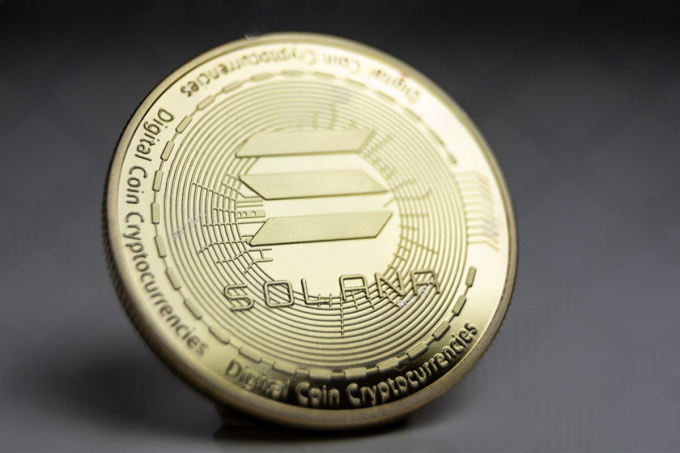
According to the S-1 filings, Morgan Stanley Investment Management plans to launch two passive vehicles: the Morgan Stanley Bitcoin Trust and the Morgan Stanley Solana Trust. Both funds are designed to track the price performance of their respective underlying assets without employing leverage or active trading strategies.
Bitcoin was trading around $94,000 at the time of filing, while Solana hovered near $142, placing both assets firmly among the most widely held and liquid cryptocurrencies globally. Spot Bitcoin ETFs alone attracted approximately $1.1 billion in net inflows during the first two trading days of 2026, underscoring renewed momentum after a volatile end to last year.
If approved, the funds could eventually be distributed to Morgan Stanley’s wealth management client base, which exceeded 19 million clients as of April 2025. Even modest allocations from that pool could represent meaningful incremental demand for crypto assets.
Regulatory Structure and Custody Considerations
The filings outline a familiar trust-based structure, with CSC Delaware Trust Company named as trustee and Morgan Stanley Investment Management acting as sponsor. While the preliminary documents stop short of detailing all custodial partners, Morgan Stanley disclosed that a “substantial portion” of private keys would be held in cold storage, with a smaller allocation maintained in hot wallets for operational liquidity.
The absence of speculative trading or yield-generation strategies reflects a broader regulatory reality: spot crypto ETFs are designed to mirror price performance rather than enhance returns. This approach aligns with SEC expectations and reduces structural risk, particularly for more conservative investors entering the asset class for the first time.
Notably, Solana-focused ETFs remain less established than their Bitcoin counterparts, making Morgan Stanley’s filing a potential test case for broader acceptance of non-Bitcoin spot crypto products in US markets.
Institutional Momentum Builds
Morgan Stanley’s move follows a series of developments signaling Wall Street’s deepening engagement with crypto. Bank of America recently allowed its wealth advisors to recommend exposure to several Bitcoin ETFs, expanding access across its Merrill and private banking platforms. Vanguard, historically cautious on crypto, enabled trading of crypto ETFs for clients in late 2025.
These steps build on earlier institutional endorsements, including BlackRock’s recommendation of up to a 2% Bitcoin allocation for diversified portfolios. Collectively, they suggest that crypto is transitioning from a niche alternative asset into a standardized portfolio component—albeit one still subject to volatility and regulatory scrutiny.
Investor Psychology and the “Clean-Slate” Effect
Analysts point to the so-called “clean-slate” effect often observed at the start of a new year, when investors reassess portfolios and rebalance risk exposure. For crypto, this psychological reset has coincided with strong ETF inflows and renewed interest from advisors who previously lacked compliant investment vehicles.
By offering both Bitcoin and Solana exposure, Morgan Stanley appears to be addressing two distinct investor profiles: those seeking a macro hedge through Bitcoin, and those targeting higher-growth blockchain ecosystems via Solana.
Looking Ahead
Approval of the proposed ETFs would further legitimize crypto within traditional finance and could unlock new sources of capital, particularly from advisory-driven channels. At the same time, risks remain tied to regulatory delays, market volatility, and the performance divergence between large-cap tokens. For investors, the filings highlight both the maturation of crypto markets and the ongoing shift toward regulated access points that bridge digital assets and traditional portfolios.
Comparison, examination, and analysis between investment houses
Leave your details, and an expert from our team will get back to you as soon as possible









Leave a comment