


Key Takeaways
- Geopolitical tensions between Iran and the United States triggered a broad risk-off move across global markets, pushing crypto assets and equities lower.
- Oil price volatility intensified as traders assessed potential supply disruptions in the Middle East, amplifying macro uncertainty.
- Institutional investors are closely monitoring crypto correlations with traditional risk assets as geopolitical shocks reshape market positioning.
Global financial markets moved into risk-off territory after Iran warned it would respond to threats made by former U.S. President Donald Trump, fueling uncertainty across commodities, equities, and digital assets. Oil prices fluctuated sharply as traders assessed the possibility of supply disruptions in the Middle East, while both cryptocurrency and stock markets declined as investors reduced exposure to risk-sensitive assets.
Market Reaction Across Crypto and Equities
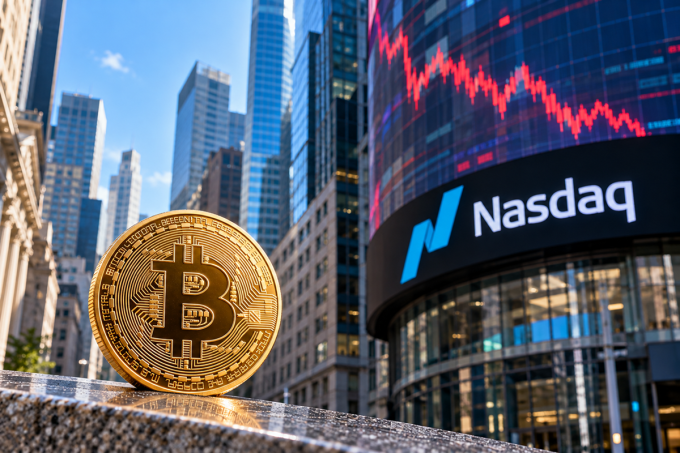
Cryptocurrency markets experienced broad declines as geopolitical tensions triggered a wave of defensive positioning. Bitcoin fell roughly 3% in early trading, briefly dropping below the $67,000 level, while Ethereum slid nearly 4% toward $3,400. Total cryptocurrency market capitalization declined by approximately $120 billion during the session, reflecting heightened volatility and cautious positioning among institutional traders.
Equities mirrored the weakness seen in digital assets. Major U.S. indices, including the S&P 500 and Nasdaq Composite, slipped between 0.8% and 1.2% during the same period. The parallel decline highlights the growing correlation between cryptocurrencies and traditional risk assets during periods of macro stress. Hedge funds and proprietary trading desks increasingly treat digital assets as part of a broader risk allocation framework, leading to synchronized market movements when geopolitical risks escalate.
Oil Market Volatility and Macro Spillover
Energy markets became the focal point of the geopolitical shock. Brent crude prices fluctuated between $86 and $89 per barrel as traders evaluated the potential impact of tensions involving Iran, a key producer within the global oil market. The Strait of Hormuz, which handles nearly one-fifth of the world’s oil shipments, remains a critical vulnerability that can rapidly influence price expectations.
Oil volatility often spills over into broader financial markets, including cryptocurrencies. Rising energy prices can amplify inflation expectations and influence central bank policy outlooks, particularly in the United States and Europe. For digital asset investors, this dynamic matters because monetary tightening historically reduces liquidity available for speculative assets, including crypto markets.
Investor Positioning and Market Psychology
Institutional crypto investors responded to the geopolitical developments by reducing leverage and increasing stablecoin allocations. On-chain data showed a rise in stablecoin inflows to major exchanges, suggesting that traders are preparing for potential short-term volatility while maintaining liquidity for tactical repositioning.
Derivatives markets also reflected a defensive shift. Bitcoin funding rates moved closer to neutral levels, indicating reduced speculative long positioning. Options markets showed a modest increase in demand for downside protection, with traders purchasing short-term put contracts as insurance against further declines.
This behavior reflects a broader strategic shift within the digital asset ecosystem. As institutional participation grows, macroeconomic and geopolitical shocks increasingly influence crypto trading behavior in ways similar to traditional financial markets.
Strategic Outlook for Crypto Investors
Geopolitical tensions involving Iran and the United States are likely to remain a key variable influencing both commodity and crypto markets in the coming weeks. Continued volatility in oil prices could feed into inflation expectations and reshape central bank policy forecasts, factors that historically affect liquidity across digital asset markets.
For crypto investors, monitoring cross-asset signals such as oil prices, Treasury yields, and equity market sentiment has become increasingly important. As digital assets mature and institutional participation deepens, their performance is expected to remain closely tied to broader macroeconomic and geopolitical developments. Maintaining awareness of these dynamics will be critical as markets navigate an environment defined by both technological innovation and global uncertainty.
Comparison, examination, and analysis between investment houses
Leave your details, and an expert from our team will get back to you as soon as possible








Leave a comment