


A significant leak linked to Anthropic’s “Claude Mythos” has triggered a sharp decline across AI-related software stocks and crypto markets, raising concerns about data security and model governance. The incident has added a new layer of uncertainty to already volatile markets, where artificial intelligence and digital assets are increasingly interconnected.
As investors reassess exposure to high-growth technologies, the event highlights how disruptions in the AI sector can rapidly spill over into crypto valuations and broader risk sentiment.
Market Reaction: Broad Sell-Off Across Tech and Crypto
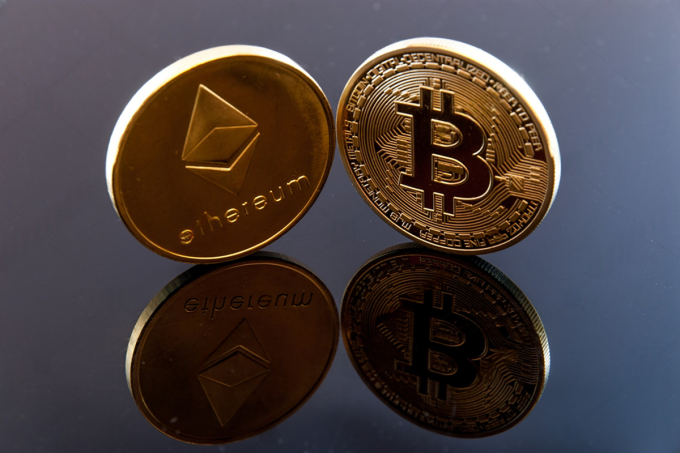
Following the leak, major AI-linked software companies saw declines of approximately 6–10%, while cryptocurrencies mirrored the downward move. Bitcoin (BTC) dropped around 3–5%, briefly falling below $68,000, while Ethereum (ETH) declined 4–6%, trading near $3,300–$3,400.
The total crypto market capitalization decreased by an estimated $80–100 billion within 24 hours. At the same time, trading volumes surged past $90 billion, reflecting heightened activity driven by rapid repositioning and liquidation events.
- BTC price: ~$67,500–$68,500
- ETH price: ~$3,300–$3,400
- Market cap decline: $80B–$100B
The synchronized movement across asset classes highlights the growing correlation between technology equities and crypto assets, particularly those tied to innovation-driven narratives.
Technology Risk: Security Concerns Take Center Stage
The Claude Mythos leak has intensified scrutiny around AI model security and data governance frameworks. For crypto markets, where AI is increasingly integrated into trading systems, analytics, and decentralized applications, the incident raises concerns about potential systemic vulnerabilities.
Projects leveraging AI-driven automation may face increased due diligence from institutional investors, particularly in areas involving algorithmic trading and smart contract execution. This could slow adoption in the near term as risk frameworks are reassessed.
At the same time, the event may accelerate investment into secure AI infrastructure and blockchain-based verification systems, reinforcing the importance of transparency and resilience in next-generation platforms.
Investor Sentiment: Rapid Shift to Risk-Off Positioning
Investor sentiment has shifted notably toward a risk-off environment, with markets moving away from growth-oriented positioning. The leak has prompted a reassessment of exposure to sectors characterized by high innovation but also elevated uncertainty.
Derivatives data indicates that more than $250–300 million in crypto positions were liquidated during the sell-off. Open interest declined from approximately $95 billion to $85–88 billion, signaling a rapid reduction in leveraged exposure.
Meanwhile, inflows into crypto ETFs slowed, with daily figures dropping below $500 million compared to recent averages near $1 billion. This suggests that institutional investors are temporarily pausing allocations while reassessing risk conditions.
From a behavioral standpoint, the event underscores how quickly market narratives can shift, particularly in sectors where valuation is heavily influenced by future expectations rather than current cash flows.
Strategic Outlook: Interconnected Markets Face New Challenges
The incident highlights the increasing interdependence between AI innovation and crypto ecosystems. As capital flows into both sectors continue to overlap, disruptions in one can have immediate and amplified effects on the other.
While the sell-off reflects a short-term repricing of risk, it may also lead to stronger emphasis on security standards, regulatory clarity, and infrastructure resilience. Projects that demonstrate robust safeguards and transparent governance may benefit from renewed investor confidence over time.
Looking ahead, market participants will closely monitor developments in AI regulation, improvements in security protocols, and the recovery trajectory of both tech and crypto assets. The ability of these sectors to restore trust and operational integrity will be critical in determining whether the recent decline represents a temporary disruption or a deeper structural shift.
Comparison, examination, and analysis between investment houses
Leave your details, and an expert from our team will get back to you as soon as possible










Leave a comment