Morgan Stanley has unveiled a new cryptocurrency trading platform featuring lower transaction fees than several major competitors, marking another significant step in Wall Street’s accelerating push into digital assets. The move is expected to intensify competition among institutional crypto service providers as traditional financial firms seek a larger share of the rapidly expanding market.
The launch comes amid rising institutional demand for regulated digital asset access, improving crypto market sentiment, and growing pressure on legacy exchanges to reduce trading costs and expand services.
Market Reaction: Institutional Crypto Infrastructure Expands
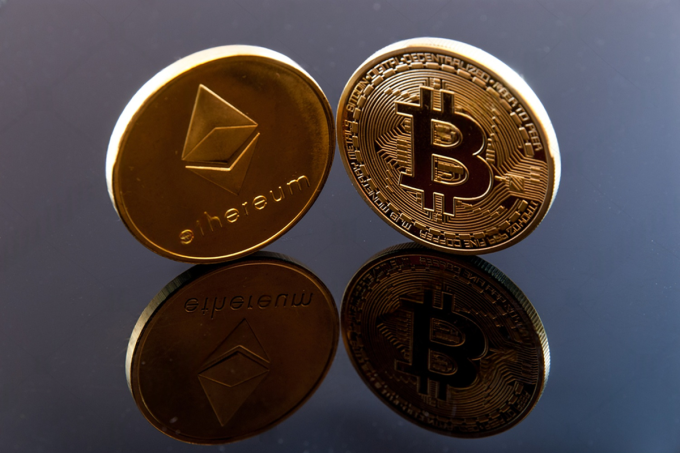
Following reports surrounding the launch, shares of major publicly traded crypto-related firms showed mixed performance, while broader digital asset markets remained relatively stable. Bitcoin (BTC) traded near $80,400, while Ethereum (ETH) held above $3,900.
Industry analysts estimate that institutional crypto trading volumes exceeded $120 billion monthly during the first quarter of 2026, reflecting continued expansion in professional market participation.
Meanwhile, several crypto exchange tokens experienced increased trading activity as investors assessed the potential impact of lower-fee competition from major banking institutions.
Fee Competition Could Reshape Institutional Trading
Morgan Stanley’s entry into crypto trading with comparatively lower fees may increase pressure on both centralized exchanges and brokerage platforms that currently dominate institutional crypto execution.
Lower trading costs are particularly important for high-frequency firms, hedge funds, and asset managers executing large-volume transactions. Analysts note that even modest fee reductions can significantly impact profitability for institutional participants trading at scale.
- Institutional crypto volumes continue rising year-over-year.
- Lower transaction costs could attract hedge funds and asset managers.
- Traditional banks are increasingly competing with native crypto firms.
The move also reflects broader convergence between traditional financial infrastructure and digital asset markets, as major banks expand beyond custody and ETF exposure into direct trading services.
Regulatory Clarity Encourages Wall Street Expansion
Institutional expansion into crypto trading has accelerated alongside improving regulatory frameworks in several major financial jurisdictions. In the United States, regulators continue developing clearer standards surrounding custody, market structure, and digital asset trading operations.
Wall Street firms have increasingly viewed regulatory progress as an opportunity to capture institutional demand previously served primarily by crypto-native exchanges.
Recent industry surveys indicate that more than 70% of institutional investors are either actively trading digital assets or exploring crypto exposure strategies. At the same time, concerns surrounding counterparty risk and platform security continue shaping institutional preferences toward regulated providers.
Investor Sentiment and Strategic Implications
Investor sentiment toward institutional crypto adoption remains constructive, with the Crypto Fear & Greed Index holding near 72. Market participants increasingly interpret major banking expansion into digital assets as evidence that cryptocurrencies are becoming more deeply integrated within traditional financial systems.
Behaviorally, lower-fee competition often accelerates market maturation by encouraging efficiency and broader participation. Institutional investors generally favor platforms capable of combining regulatory compliance, deep liquidity, and competitive pricing.
However, increased participation from traditional financial institutions may also intensify competition for crypto-native firms that built early dominance in digital asset trading markets.
Looking ahead, Morgan Stanley’s crypto trading initiative could further accelerate the institutionalization of digital assets while pressuring competitors to improve pricing and infrastructure. Investors will closely monitor trading volumes, client adoption rates, and broader market share dynamics as traditional financial institutions continue expanding deeper into crypto services. The evolution of institutional crypto trading may increasingly resemble traditional capital markets as competition, regulation, and liquidity continue maturing.
Comparison, examination, and analysis between investment houses
Leave your details, and an expert from our team will get back to you as soon as possible