

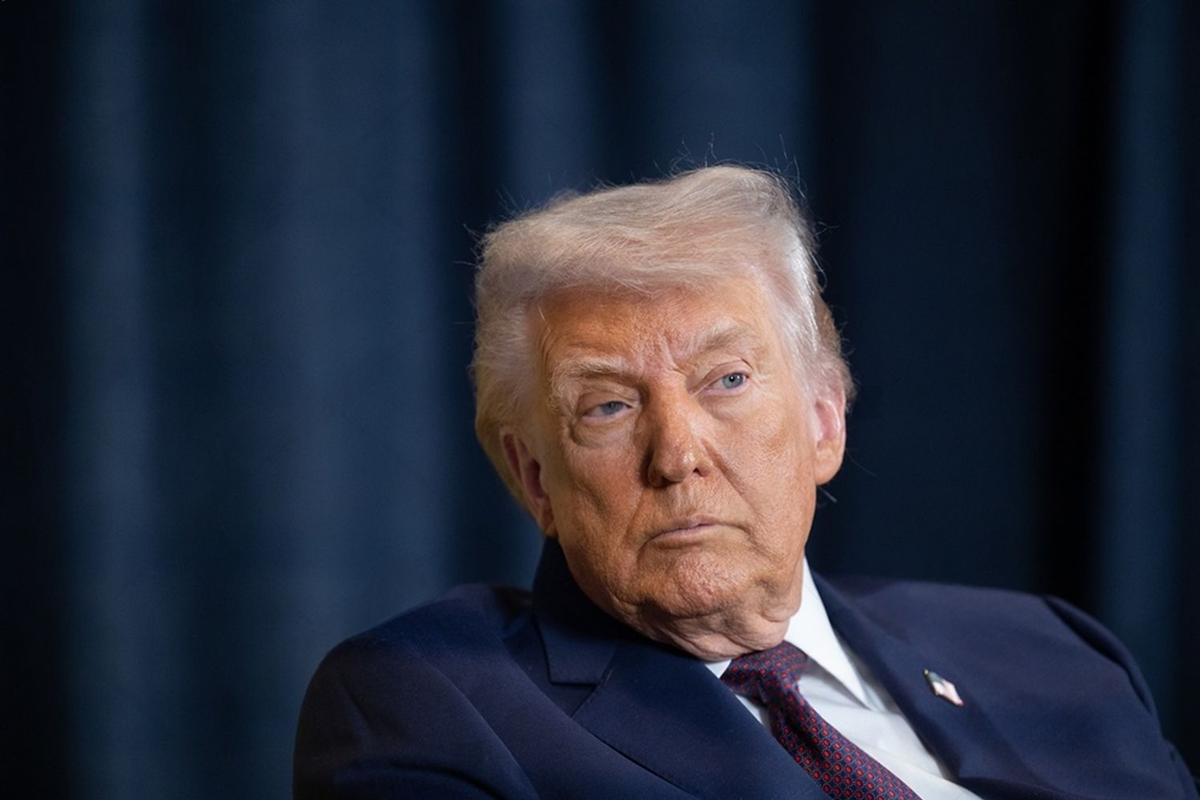
The reported cost of up to $6 million for a private lunch with Donald Trump underscores the escalating price of political access in an era where capital, influence, and financial markets are increasingly interconnected. For crypto investors, the development highlights how political engagement is becoming a strategic lever in shaping regulatory outcomes and market direction.
As digital assets continue to integrate into mainstream finance, high-value fundraising events like this reflect the growing importance of policy alignment for institutional capital, particularly amid ongoing debates around crypto regulation in the United States.
Market Context and Capital Flows
The backdrop to this development is a crypto market with a total capitalization exceeding $2.5 trillion, with Bitcoin (BTC) trading near $68,000–$72,000 and daily trading volumes consistently above $80 billion. Institutional participation has expanded significantly, with major asset managers and hedge funds increasingly engaging in both spot and derivatives markets.
Political access at this scale is often viewed as a mechanism for influencing policy direction, particularly in sectors where regulation remains fluid. For crypto markets, this includes areas such as ETF approvals, taxation frameworks, and stablecoin oversight.
- $2.5T+ crypto market capitalization
- $80B+ daily trading volume
- $6M estimated cost of high-level political access
The convergence of financial capital and political engagement reflects a broader trend where investors are increasingly factoring regulatory risk into allocation decisions.
Regulatory Implications and Policy Influence
High-value fundraising events can play a significant role in shaping the regulatory environment, particularly in the United States where crypto policy remains fragmented across agencies. The potential for direct engagement with political leaders offers market participants an opportunity to advocate for clearer regulatory frameworks.
Key issues currently under discussion include the classification of digital assets as securities or commodities, the structure of crypto exchange oversight, and the implementation of stablecoin legislation. These decisions have material implications for market structure, liquidity, and institutional participation.
From a compliance perspective, such developments also raise questions about transparency and governance, particularly as regulators scrutinize the intersection of financial influence and policymaking.
Investor Sentiment and Strategic Behavior
For sophisticated investors, the willingness to allocate significant capital toward political access reflects a strategic recognition of the importance of policy certainty. In emerging asset classes like crypto, where regulatory clarity can directly impact valuations, engagement with policymakers is increasingly viewed as part of a broader risk management strategy.
Behaviorally, this trend aligns with patterns observed in traditional finance, where sectors such as banking and energy have long invested in lobbying and political relationships to shape favorable outcomes. The crypto industry appears to be following a similar trajectory as it matures.
At the same time, the optics of high-cost access may influence public perception and regulatory scrutiny. Investors must balance the potential benefits of policy engagement with the risks associated with reputational exposure and shifting political dynamics.
Looking ahead, the intersection of capital, politics, and digital assets is likely to become increasingly prominent. As regulatory frameworks evolve and institutional participation deepens, market participants will continue to monitor how political influence shapes the trajectory of crypto markets, particularly in areas affecting market access, compliance, and long-term adoption.
Comparison, examination, and analysis between investment houses
Leave your details, and an expert from our team will get back to you as soon as possible













Leave a comment