

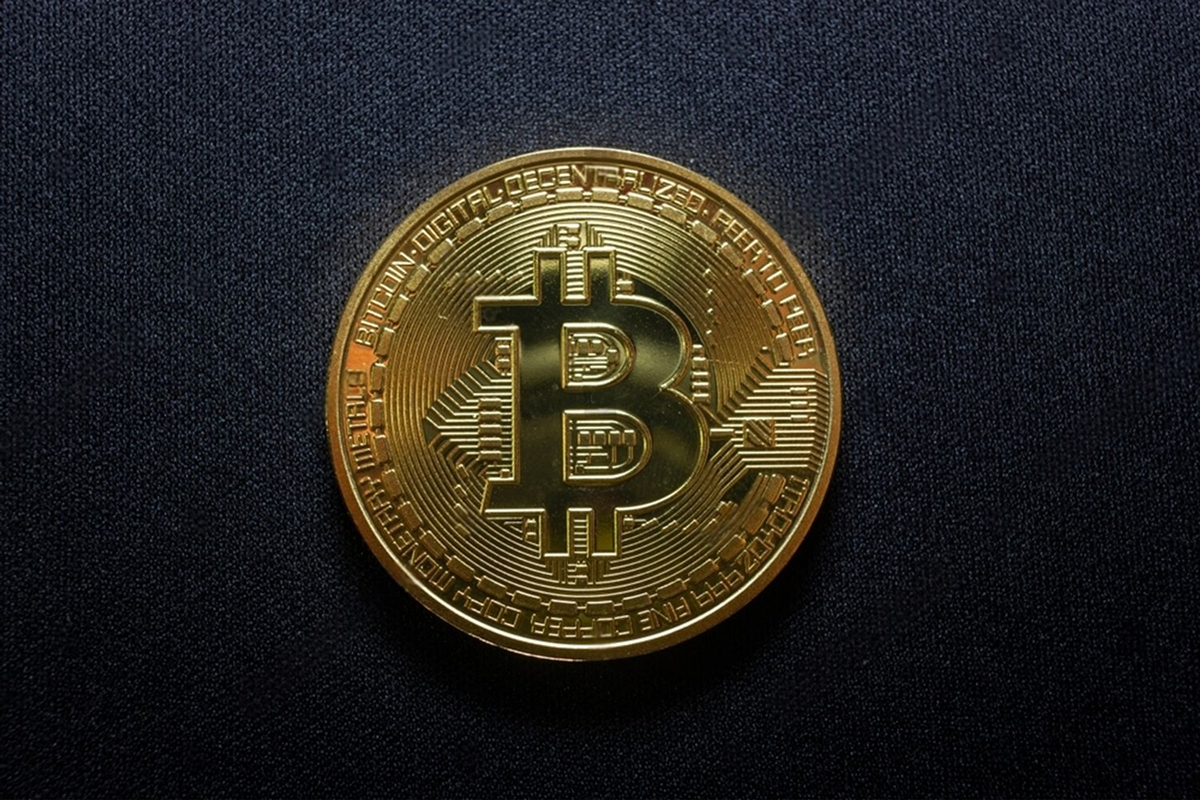
Bitcoin retreated sharply back toward the $77,000 level after a short-lived rebound failed to attract sustained follow-through, underscoring fragile risk appetite across digital asset markets. The renewed downside move coincided with a strong surge in precious metals, as investors rotated toward traditional safe havens amid tightening financial conditions, persistent geopolitical risk, and rising skepticism around high-beta assets.
Market Reaction: Failed Rebound Exposes Weak Crypto Momentum
Bitcoin fell nearly 6% over 24 hours, reversing gains from its recent bounce and dragging the broader crypto market lower, with total market capitalization declining by approximately $140 billion. Spot trading volumes rose more than 30% during the selloff, suggesting active distribution rather than illiquid price drift, while derivatives data showed over $420 million in long liquidations as leveraged traders were forced out of positions. Ethereum slid roughly 5% to trade below $4,100, while major altcoins underperformed, reinforcing a defensive tone as investors reduced exposure to higher-volatility assets.
Safe-Haven Rotation: Gold and Silver Regain Favor
As crypto weakened, gold and silver resumed their upward trajectory, with spot gold rising above $2,380 per ounce and silver gaining more than 2% on the session, supported by strong central bank demand and falling real yields in parts of the curve. The divergence highlights a renewed preference for assets perceived as stores of value during periods of macro uncertainty, challenging the narrative of Bitcoin as a consistent hedge against financial stress. Market strategists note that while Bitcoin has historically benefited from liquidity expansion, it remains vulnerable during phases of tightening or risk aversion.
Macro and Liquidity Pressures Drive Risk Repricing
The failed rebound comes as U.S. Treasury yields remain elevated, with the 10-year hovering near 4.3%, pressuring non-yielding assets across the board. A firmer U.S. dollar has further weighed on global risk assets, while expectations for prolonged restrictive monetary policy continue to limit speculative positioning. For crypto markets, the macro backdrop has translated into declining spot inflows and reduced institutional participation, particularly among funds sensitive to volatility and correlation with equities.
Investor Sentiment: From Dip-Buying to Capital Preservation
Investor behavior suggests a shift away from aggressive dip-buying toward capital preservation, as confidence in near-term upside weakens. Funding rates across major exchanges have flattened after briefly turning positive, signaling fading bullish conviction, while open interest declined by nearly 8%, reflecting risk reduction rather than fresh short positioning. Institutional desks report increased demand for hedging strategies and a preference for liquid, defensive exposures, mirroring trends seen in traditional markets during periods of uncertainty.
Looking ahead, Bitcoin’s ability to stabilize above the $75,000 zone will be closely watched, as sustained weakness could trigger further de-risking across digital assets. Meanwhile, continued strength in precious metals suggests that capital is seeking safety rather than growth, a dynamic that may persist until clearer signals emerge on monetary policy, global growth, and liquidity conditions.
Comparison, examination, and analysis between investment houses
Leave your details, and an expert from our team will get back to you as soon as possible













Leave a comment