

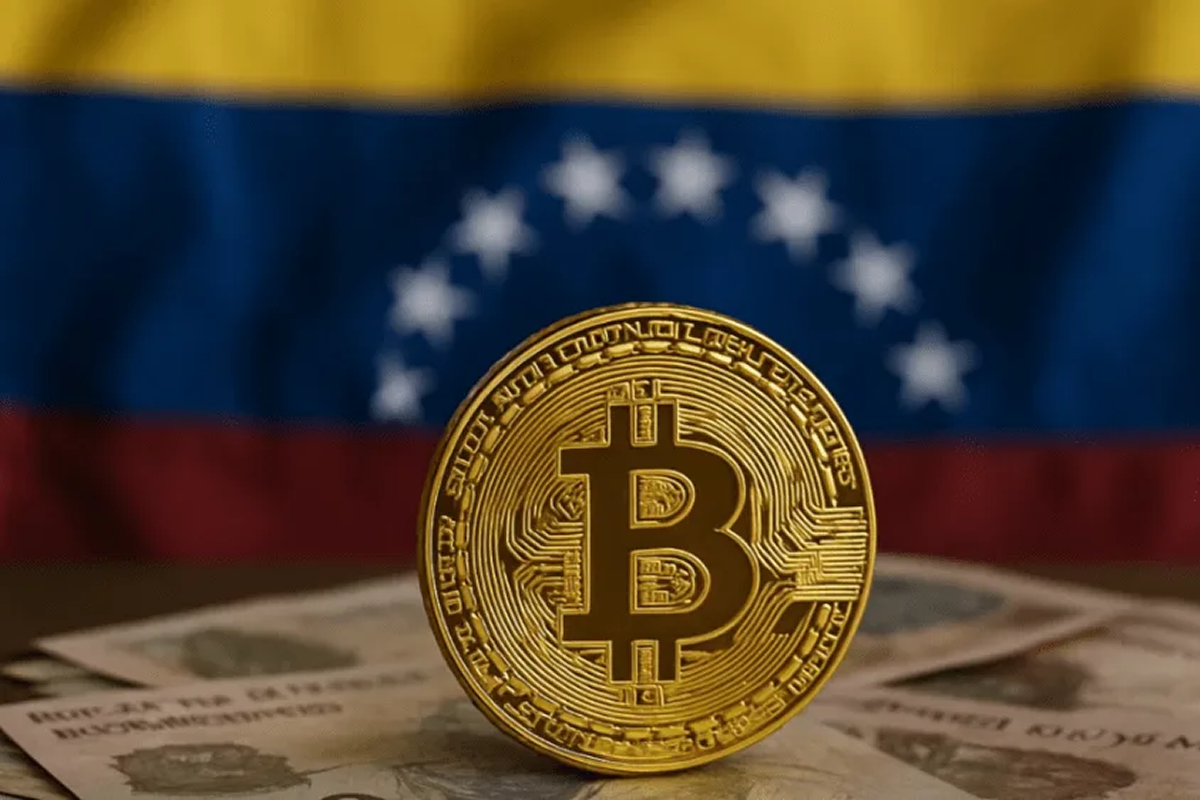
Bitcoin briefly dipped before staging a swift recovery after reports that the United States had captured Venezuelan President Nicolás Maduro, a development that rattled global risk markets. The episode underscored how crypto assets increasingly react to geopolitical events, even as they demonstrate growing capacity to absorb short-term shocks.
While traditional markets showed heightened volatility, the digital asset market’s rapid stabilization suggested that investors are becoming more selective in how they price geopolitical risk.
Market Reaction: Short-Lived Selloff, Fast Recovery
In the immediate aftermath of the news, Bitcoin fell roughly 2.3%, sliding from near $92,000 to just above $89,800 within an hour, according to aggregated exchange data. Trading volumes spiked more than 40% versus the prior 24-hour average, indicating a wave of short-term positioning adjustments.
However, the move quickly reversed. Within several hours, BTC recovered most of its losses, stabilizing around the $91,500–$92,000 range. Analysts noted that the absence of follow-through selling suggested limited conviction behind the initial dip, with long-term holders largely unmoved by the headlines.
Macro and Regulatory Context: Geopolitics Meets Digital Assets
The incident highlighted the growing intersection between geopolitics and crypto markets. Venezuela has long been associated with crypto usage due to capital controls, sanctions, and currency instability. As a result, any political disruption tied to the country tends to draw heightened attention from digital asset traders.
From a regulatory standpoint, market participants also weighed whether the development could trigger changes in sanctions enforcement or cross-border financial controls. So far, there has been no indication of immediate policy shifts affecting major crypto venues, helping to limit downside pressure.
Investor Sentiment: Dip Buyers Step In
Behavioral data pointed to a familiar pattern: dip-buying. On-chain metrics showed a modest increase in transfers to accumulation wallets during the selloff, while derivatives data indicated that funding rates remained broadly neutral, suggesting leverage was not excessively flushed out.
For institutional investors, the episode reinforced Bitcoin’s evolving role as a liquid, globally accessible asset that reacts quickly—but not irrationally—to breaking news. Rather than prompting sustained de-risking, the headline served as a short-term stress test for market depth and liquidity.
Looking ahead, traders will monitor whether geopolitical developments translate into concrete policy actions that could affect capital flows or sanctions regimes. Absent such follow-through, recent price action suggests that Bitcoin remains more influenced by macro liquidity and institutional positioning than by isolated geopolitical shocks.
Comparison, examination, and analysis between investment houses
Leave your details, and an expert from our team will get back to you as soon as possible











https://shorturl.fm/RrWCC