Bitcoin stabilized above $63,000 on Monday, tracking a modest rebound in U.S. equities, but the recovery remains constrained by a $390 million weekly outflow from U.S. spot Bitcoin ETFs. With institutional flows weakening and expectations for landmark U.S. crypto legislation deteriorating, investors are looking for a stronger catalyst to determine the market’s next direction.
The latest price action reflects the growing connection between Bitcoin and broader risk assets. At the same time, subdued derivatives volatility, thin liquidity and persistent regulatory uncertainty suggest that the recent rebound has yet to establish a convincing change in market momentum.
Bitcoin Rebounds With Equities as ETF Demand Weakens
Bitcoin was trading around $63,320 after gaining approximately 0.8% from midnight UTC on Monday. Nasdaq 100 futures were also higher by about 0.5%, reaching their highest level since July 2, reinforcing the recent tendency for Bitcoin to follow movements in U.S. equities when no major crypto-specific catalyst is present.
However, the recovery is being tested by institutional fund flows. U.S. spot Bitcoin ETFs recorded four consecutive days of outflows last week, producing a net withdrawal of approximately $390 million. It was the largest weekly outflow from U.S. spot Bitcoin products in six weeks and included the first three-day period of withdrawals since late July.
The divergence between price and ETF flows is important. Bitcoin can recover alongside equities even when institutional demand through regulated products is weakening, but a sustained advance may require those flows to stabilize. For professional investors, ETF activity remains an important indicator of whether the recent rebound is attracting fresh capital or simply reflecting short-term positioning.
Regulatory Uncertainty Adds Another Headwind
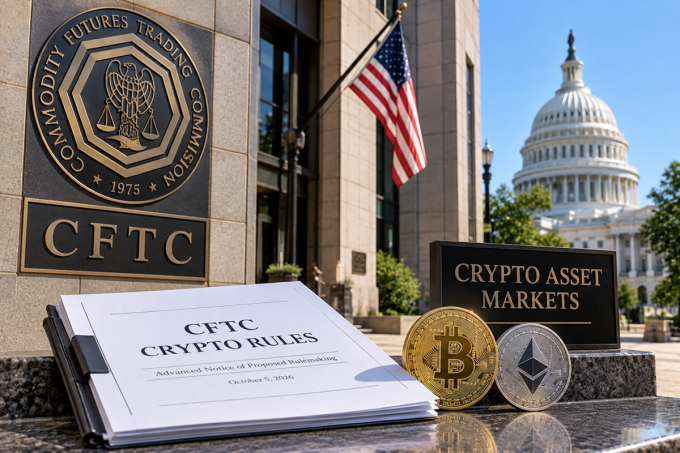
The regulatory backdrop has also become less supportive. Alex Thorn, head of research at Galaxy Digital, reduced his estimate of the probability that the CLARITY Act will become law in 2026 to approximately 10%, down sharply from 75% in May. Prediction markets were assigning a somewhat higher probability of about 17%, according to CoinDesk.
A Senate cloture vote is scheduled for September 15 after lawmakers return from their August recess, although market observers cited by CoinDesk expect another delay. The legislation is closely watched because it could establish a clearer regulatory framework for the U.S. digital-asset market.
For institutional investors, regulatory clarity can influence decisions involving exchanges, custody, token issuance and digital-asset financial products. A prolonged legislative delay therefore adds another layer of uncertainty at a time when Bitcoin is already receiving weaker ETF flows.
Derivatives Market Signals Caution Rather Than Panic
Bitcoin’s derivatives positioning presents a mixed picture. Notional open interest stood at approximately $48 billion, nearly twice its 24-hour trading volume, while Bitcoin futures open interest declined to roughly 750,000 BTC from 760,000 BTC on Friday.
The imbalance between open interest and trading volume means that a significant liquidation event could encounter relatively thin liquidity, potentially amplifying price movements. At the same time, Bitcoin and Ether’s 30-day implied volatility remained near year-to-date lows, suggesting that options markets are not pricing an immediate surge in turbulence.
Investor sentiment remains cautious rather than deeply distressed. CoinMarketCap’s Fear and Greed Index stood at 38 out of 100, a reading classified as fear. The Altcoin Season Index was at 46, recovering from a low of 36 on August 7, indicating some improvement in appetite for alternative digital assets.
Looking ahead, Bitcoin’s ability to sustain a move above $63,000 will depend on whether ETF flows stabilize, equity-market strength persists and regulatory expectations improve. The September 15 Senate vote remains a potential catalyst, but the current combination of weak institutional flows, subdued liquidity and reduced expectations for the CLARITY Act leaves the market without a clear fundamental driver. For sophisticated investors, the key signal will be whether capital flows begin confirming the latest price recovery rather than simply following a short-term rebound in broader risk assets.
Comparison, examination, and analysis between investment houses
Leave your details, and an expert from our team will get back to you as soon as possible