

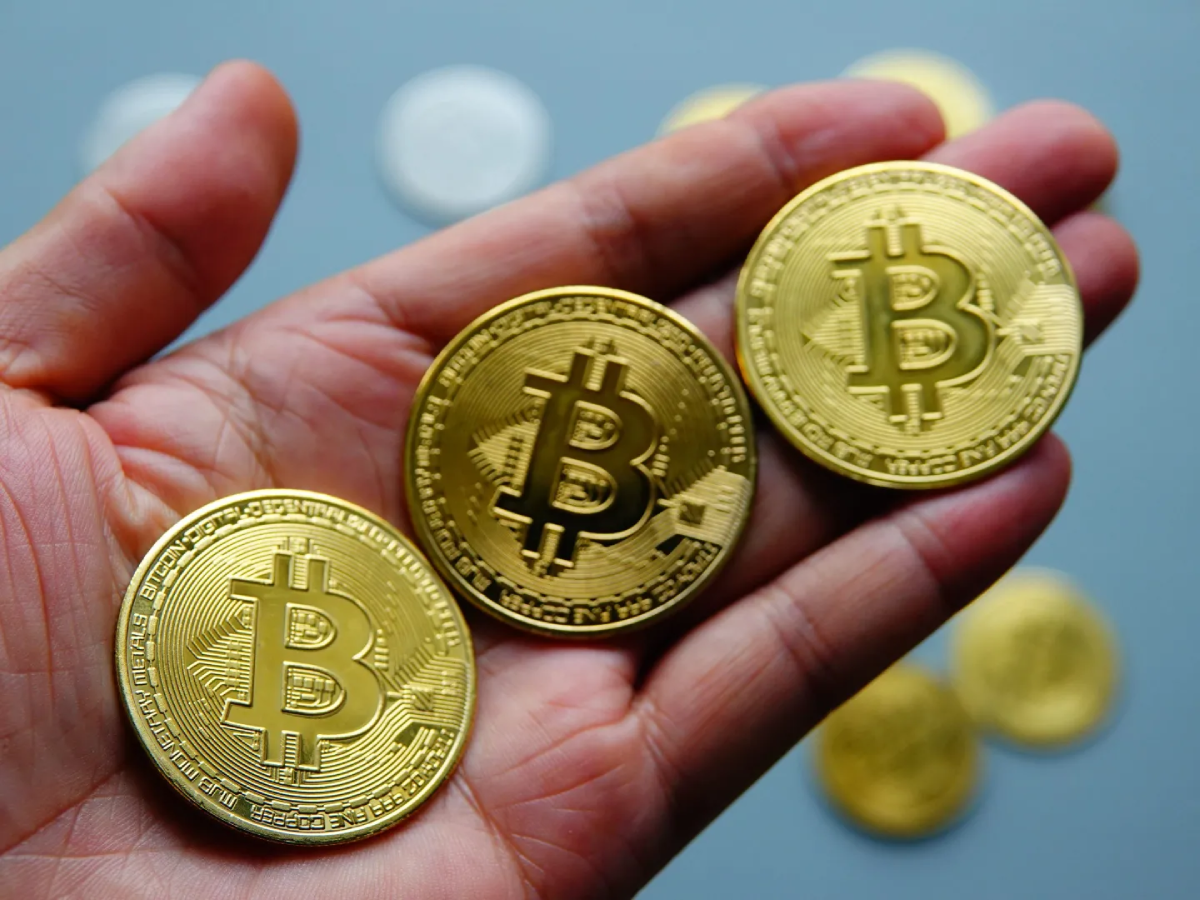
Bitcoin is approaching a critical technical milestone as its current time-based capitulation phase nears 50 days, a duration that closely resembles market conditions observed ahead of the powerful 2025 price surge. The development comes as crypto markets consolidate amid tighter financial conditions, cautious institutional positioning, and renewed focus on on-chain signals rather than headline-driven volatility.
For professional investors, the significance lies less in short-term price moves and more in how prolonged consolidation phases have historically reset positioning and liquidity.
Market Structure: Prolonged Consolidation Replaces Price Capitulation
Unlike prior cycles characterized by sharp drawdowns, the current phase reflects what analysts describe as time-based capitulation, where price remains range-bound while speculative excess gradually exits the market. Since peaking above $100,000 earlier this year, Bitcoin has traded largely between $88,000 and $96,000, a band that has compressed realized volatility to near 18-month lows.
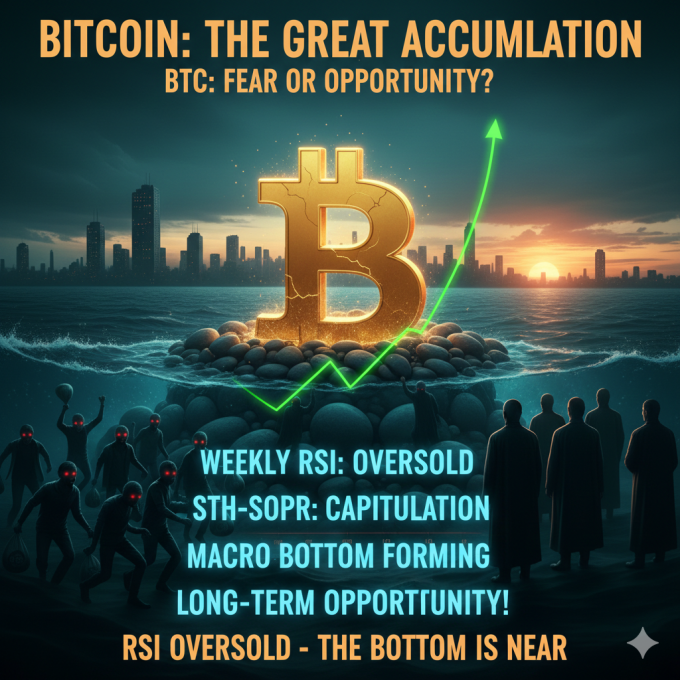
On-chain data shows that short-term holder supply has declined by roughly 9% over the past seven weeks, while long-term holders have increased their share of circulating supply to more than 71%. This shift mirrors patterns seen in late 2024, when extended consolidation preceded a decisive upside breakout.
Liquidity and Macro Backdrop: ETF Flows and Rates in Focus
From a macro perspective, the current environment differs from previous capitulation events. Spot Bitcoin ETFs have remained structurally significant, even as flows moderated. After sustained inflows earlier in the year, recent data shows ETF movements hovering close to flat, with weekly net flows fluctuating within a ±$150 million range.
At the same time, expectations around U.S. interest rate policy have stabilized. Treasury yields have stopped rising aggressively, reducing pressure on risk assets. While this has not yet translated into renewed inflows, it has helped cap downside volatility, reinforcing the time-based nature of the correction.
Investor Behavior: Patience Replaces Panic
Derivatives markets point to a notable change in trader psychology. Perpetual funding rates across major exchanges have hovered near neutral for most of the past month, while aggregate open interest has declined by approximately 12% from recent highs. This suggests leverage is being systematically reduced rather than forcibly liquidated.
For institutional allocators, such environments often favor strategic patience. Historically, extended periods of low volatility have coincided with gradual accumulation by investors with longer time horizons, even as short-term participants disengage.
What Comes Next: A Signal, Not a Trigger
As Bitcoin’s time-based capitulation approaches the 50-day mark, investors will be watching for changes in liquidity, volatility expansion, or renewed ETF momentum. While historical analogues to the 2025 rally are instructive, they are not deterministic.
What matters most is that the market appears to be absorbing supply without significant price damage. If that dynamic holds, the current phase may be remembered less for its stagnation and more for laying the groundwork for the next directional move.
Comparison, examination, and analysis between investment houses
Leave your details, and an expert from our team will get back to you as soon as possible











Leave a comment