Key Points:
- A series of cybersecurity incidents has exposed vulnerabilities across widely used software, cloud platforms and financial services, raising concerns about the scale of interconnected digital infrastructure risks.
- AI-assisted vulnerability discovery is lowering the barriers to identifying software weaknesses, while organizations still face the challenge of patching and securing systems at scale.
- Individuals can reduce their exposure through multifactor authentication, unique passwords, regular updates, reduced app permissions and careful management of cryptocurrency wallets.
A Wave of Cyber Incidents Raises Concerns About Digital Infrastructure
October’s reported cybersecurity incidents have intensified concerns about the resilience of the internet’s shared infrastructure. The period, described in the source report as “Black October,” has included software vulnerabilities, unauthorized access to customer credentials and disruptions affecting services used by businesses and individuals.
On October 21, the PHP Foundation disclosed critical vulnerabilities in PHP, a programming language widely used across websites. Cloud services provider Cloudflare subsequently reported millions of attempts to exploit the vulnerabilities following disclosure, after thousands of attempts had been observed in the preceding hours.
Authorities and organizations responded with warnings to patch affected systems or take them offline where necessary. The incidents have highlighted the short window that can exist between the public disclosure of a vulnerability and attempts to exploit it.
Other reported events have added to the concern. Cloud platform Railway disclosed an incident involving unauthorized access to and decryption of customer credentials and API keys, apparently targeting AI providers. Medical testing company Quest Diagnostics confirmed a breach involving private patient health data. Separately, security firm eMudhra was found to have eight digital certificate authorities with weak keys that could potentially enable attackers to impersonate trusted websites.
GitHub also experienced a significant service disruption, underscoring how heavily software development depends on interconnected services and shared infrastructure.
Rob Hamilton, a Bitcoin security researcher involved in the Bitcoin Red Team, described the situation as severe. Jonathan Riss, an OSINT and blockchain intelligence analyst at CertiK, identified the broader systemic concern: a weakness in shared infrastructure can expose multiple organizations at once.
Why AI Is Changing the Cybersecurity Landscape
Artificial intelligence is changing both the speed and accessibility of vulnerability discovery. Tasks that previously demanded substantial technical expertise and resources can increasingly be assisted by AI tools, potentially allowing a wider range of actors to identify weaknesses in commonly used software.
Matt Shumer, an AI entrepreneur and investor, warned that these tools could help nontechnical users identify and exploit vulnerabilities. Austin Devers, GitHub’s senior director of security, similarly said AI-assisted security tools are substantially lowering the barriers to discovering complex flaws in widely used codebases.
The challenge is that discovering a vulnerability and eliminating it are fundamentally different tasks. Once a weakness is identified, developers and system administrators must assess its impact, develop and test a fix, distribute updates and ensure that affected systems actually install them.
That process can be difficult when the same software supports millions of systems operated by organizations with limited technical resources.
AI therefore creates a two-sided dynamic. It can improve defensive security by helping researchers identify weaknesses earlier, but it can also accelerate the discovery of exploitable flaws. The ultimate impact depends partly on whether developers, service providers and system operators can respond quickly enough.
Practical Steps to Reduce Personal Cyber Risk
Individuals cannot secure the entire internet, but they can make their accounts and devices harder to compromise. Security professionals cited in the report recommend several practical measures.
Strengthen account authentication. Enable multifactor authentication across important accounts, particularly email, financial services and cryptocurrency platforms. An authenticator app or hardware security key is generally preferable to SMS-based verification where supported. Additional authentication can help prevent unauthorized access even when a password has been exposed.
Use unique passwords. Avoid reusing passwords across websites. A password manager can help create and store strong, distinct credentials, limiting the damage if one service is compromised.
Keep devices and browsers updated. Install operating-system, browser and application updates promptly, and enable automatic updates where practical. Patching helps close known vulnerabilities that attackers may attempt to exploit.
Reduce unnecessary digital exposure. Delete applications that are no longer needed, review third-party account permissions and disconnect integrations that no longer serve a purpose. Unused smart devices can also be disconnected when they are not required.
Be cautious with unfamiliar websites. Avoid entering passwords, payment details or other sensitive information into sites you do not trust. Be particularly careful with unexpected links, login prompts and requests to install software.
Maintain modest emergency reserves. The source report also recommends keeping some cash and several days’ worth of groceries available as a precaution against disruptions to essential services. This is a general preparedness measure rather than a substitute for cybersecurity safeguards.
Cryptocurrency Security: Self-Custody and Risk Management
For cryptocurrency holders, the recent incidents raise a familiar question: whether to retain control of private keys or rely on a third-party custodian.
Bitcoin advocate and Casa chief security officer Jameson Lopp argues that self-custody preserves an important feature of Bitcoin ownership: direct control over private keys. Moving assets to a custodian does not eliminate risk; it transfers some responsibility and exposure to another organization.
Self-custody, however, requires users to manage their own security. Lost recovery phrases, malicious software, phishing attacks and fraudulent transaction approvals can result in irreversible losses.
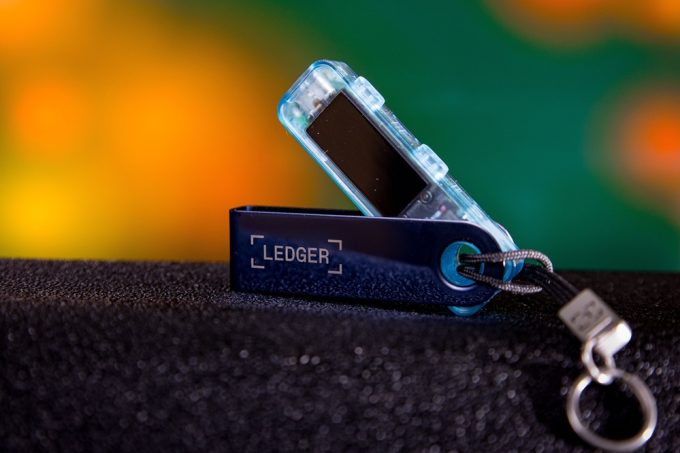
Riss recommends separating funds intended for frequent use from longer-term holdings. A hot wallet can hold smaller amounts for routine transactions, while a hardware wallet can provide an additional layer of protection for longer-term assets. Users should also read transaction details carefully before signing or approving them.
No single wallet type eliminates every threat. The appropriate arrangement depends on how frequently assets are used, the holder’s technical capabilities and the consequences of losing access.
The Limits of Individual Cybersecurity
Personal security measures can reduce the damage caused by compromised accounts or devices, but they cannot prevent failures in the infrastructure operated by major technology providers.
An individual may use strong passwords, multifactor authentication and updated software yet still depend on cloud platforms, certificate authorities and other services outside their control. When those shared systems experience a serious incident, the effects can extend across many organizations.
The distinction is important: personal cybersecurity reduces exposure and limits the potential impact of an attack, while infrastructure resilience depends on the security practices, response capabilities and accountability of service providers.
Outlook
The incidents reported during October illustrate the growing importance of rapid vulnerability remediation, secure software development and resilient digital infrastructure as AI-assisted discovery becomes more accessible. For individuals, the immediate priority is to strengthen account protection, reduce unnecessary digital access and manage cryptocurrency holdings according to their risk and usage. These measures cannot eliminate systemic threats, but they can reduce the number of ways an infrastructure-level incident becomes a personal security problem.
Comparison, examination, and analysis between investment houses
Leave your details, and an expert from our team will get back to you as soon as possible