

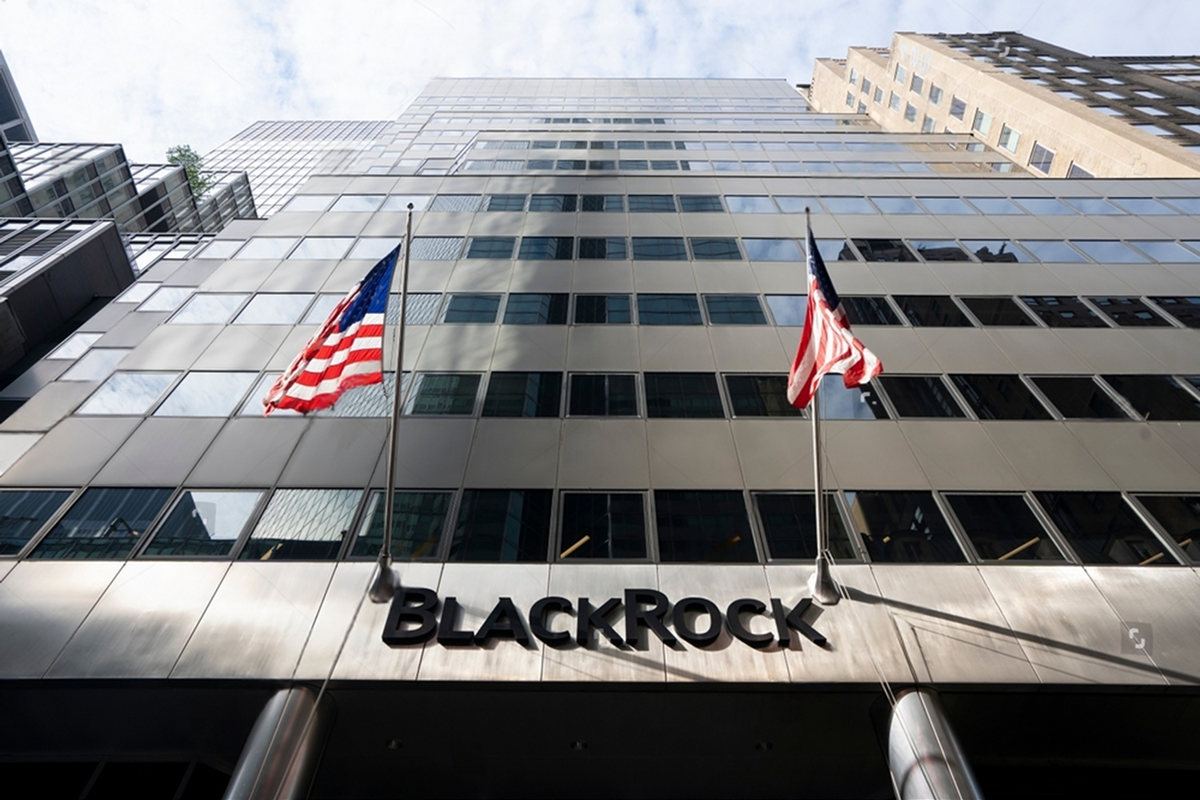
BlackRock is accelerating its push into tokenized funds, committing significant capital to a segment many see as a transformative layer for financial markets—akin to what the internet did for communication. The initiative reflects a broader institutional conviction that blockchain-based finance could reshape how assets are issued, traded, and settled.
As the tokenized real-world asset (RWA) market surpasses $11 billion and continues to grow, BlackRock’s strategy highlights increasing institutional alignment with blockchain infrastructure amid evolving regulatory frameworks and demand for operational efficiency.
Market Reaction and Capital Deployment
BlackRock’s expansion into tokenized funds builds on its existing digital asset initiatives, including blockchain-based money market funds and partnerships with major financial institutions. The firm manages over $10 trillion in assets globally, and even a small allocation toward tokenization represents a substantial capital commitment.
The tokenized Treasury segment alone has grown rapidly, with market capitalization rising from under $1 billion in early 2023 to over $11 billion in 2025—an increase of more than 1,000%. This growth reflects rising institutional interest in on-chain yield-bearing instruments.
- $10T+ BlackRock assets under management
- $11B+ tokenized RWA market size
- 1,000%+ growth in tokenized Treasuries since 2023
Market participants view this trend as a signal that traditional finance (TradFi) is actively integrating blockchain rather than competing against it.
Technology and Structural Implications
Tokenized funds enable real-time settlement, fractional ownership, and enhanced transparency, addressing longstanding inefficiencies in traditional financial systems. Settlement cycles that typically take T+2 days can be reduced to near-instant execution on blockchain networks, potentially lowering counterparty risk and operational costs.
Additionally, tokenization facilitates 24/7 market access, a significant departure from traditional trading hours. This capability aligns with the global nature of capital markets and the increasing demand for continuous liquidity.
However, the transition introduces new challenges, including interoperability between blockchain networks, custody solutions, and the integration of tokenized assets into existing financial infrastructure. These factors remain critical for scaling adoption across institutional platforms.
Regulatory Landscape and Institutional Strategy
The success of tokenized funds will depend heavily on regulatory clarity. Authorities in the United States, Europe, and Asia are actively developing frameworks to address issues such as asset classification, custody standards, and investor protection.
BlackRock’s involvement suggests a strategic approach to navigating these complexities. By operating within regulated environments and collaborating with established financial institutions, the firm aims to position tokenized funds as a compliant and scalable solution.
From an institutional perspective, tokenization offers the potential to unlock new revenue streams while improving capital efficiency. It also enables the creation of programmable financial products, where smart contracts automate processes such as interest payments and compliance checks.
Investor Sentiment and Long-Term Outlook
Investor sentiment toward tokenization is increasingly constructive, particularly among institutional allocators seeking exposure to yield-generating digital assets with lower volatility compared to traditional cryptocurrencies. The integration of familiar asset classes, such as Treasuries, into blockchain ecosystems reduces perceived risk and enhances accessibility.
Behaviorally, the shift toward tokenized funds reflects a broader acceptance of blockchain as foundational infrastructure rather than a speculative technology. Investors are beginning to view tokenization as a long-term efficiency play, similar to the early adoption of electronic trading platforms in equity markets.
At the same time, adoption remains uneven, with some institutions cautious about operational risks and regulatory uncertainty. The pace of adoption will likely depend on continued progress in infrastructure development and policy alignment.
Looking ahead, BlackRock’s investment signals a pivotal moment in the evolution of financial markets. As tokenized assets gain traction, the focus will shift toward scalability, interoperability, and regulatory integration. If these challenges are addressed, tokenized funds could fundamentally alter how capital flows through global markets, redefining the relationship between traditional finance and blockchain technology in the years ahead.
Comparison, examination, and analysis between investment houses
Leave your details, and an expert from our team will get back to you as soon as possible









Leave a comment