

Key Takeaways
- The Commodity Futures Trading Commission’s top enforcer is signaling increased oversight of insider trading in prediction markets, including crypto-linked platforms.
- This focus comes as event-based contracts gain popularity and regulators clarify the applicability of federal rules.
- Investors and institutions should monitor evolving compliance expectations, as enforcement actions could reshape trading practices and platform operations.
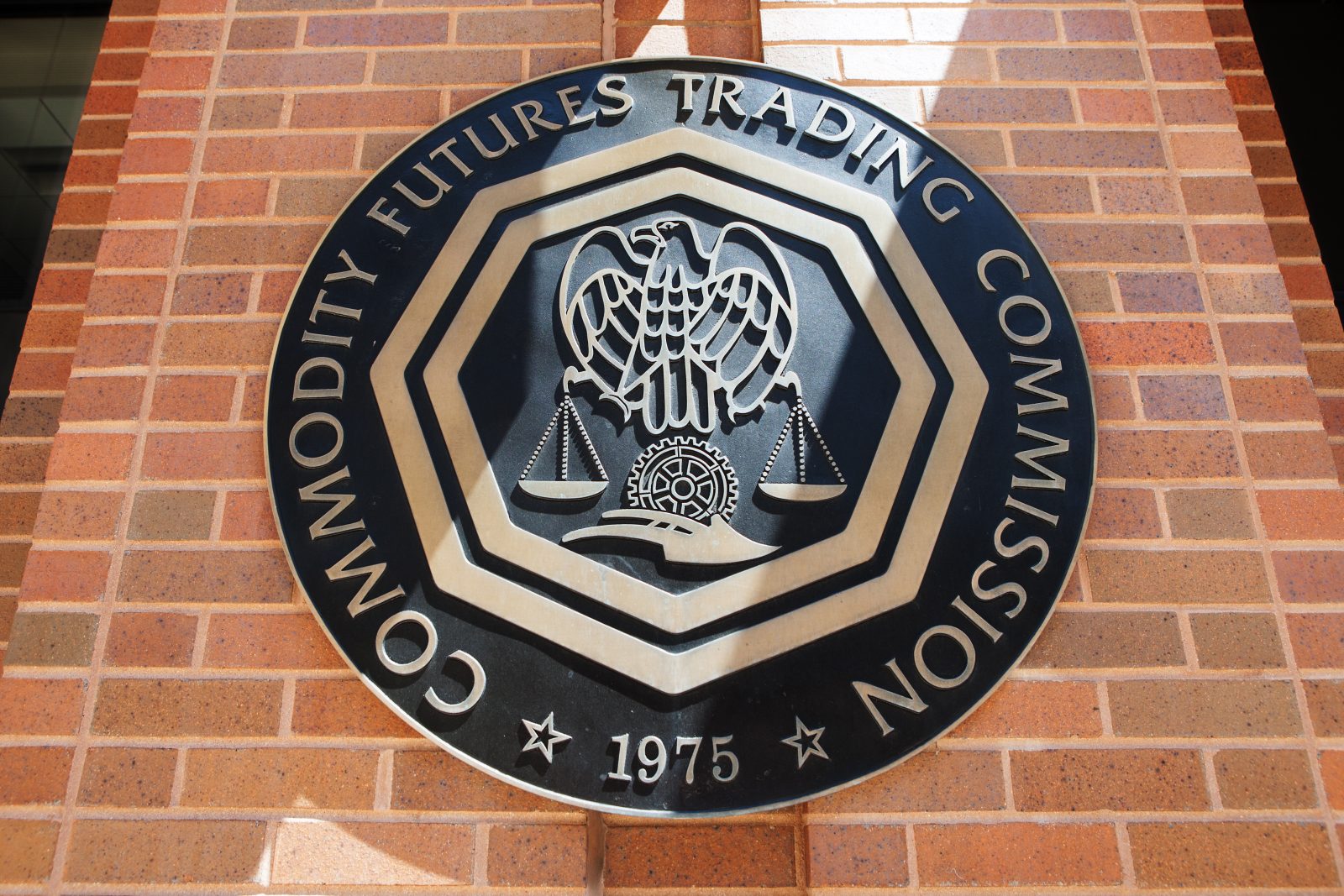
The U.S. Commodity Futures Trading Commission’s (CFTC) enforcement director has warned traders and platforms participating in prediction markets that insider trading and related misconduct are under heightened scrutiny. Speaking publicly in his new role, the CFTC enforcement chief emphasized that illegal practices — including misuse of nonpublic information in event contracts — fall within federal jurisdiction and could lead to formal enforcement. This announcement comes as prediction markets expand rapidly, fueled in part by crypto-native platforms and increased retail participation.
Regulatory Focus and Enforcement Context
The CFTC has highlighted insider trading in prediction markets as a priority area alongside traditional market abuses such as spoofing, wash trading, and anti-money-laundering violations. Event contracts, where traders speculate on the outcomes of future events, are now explicitly subject to federal oversight when nonpublic information is exploited. Recent enforcement cases have already disciplined individuals for exploiting confidential information on prediction platforms, demonstrating that the regulator treats these risks seriously and intends to act when rules are violated.
Market Dynamics and Crypto Integration
Prediction markets are no longer niche, with platforms offering trading on outcomes ranging from economic indicators to geopolitical developments. Many of these platforms integrate with crypto infrastructure, attracting high participation and trading volumes. While these markets provide new opportunities for price discovery and hedging, they also raise concerns about information asymmetry and manipulation, particularly for contracts linked to political, economic, or regulatory events. The decentralized nature of blockchain-based platforms adds complexity for enforcement, as tracing pseudonymous actors remains challenging.
Investor Sentiment and Strategic Behavior
Investor reactions are mixed. Some view the CFTC’s approach as a step toward legitimacy and market stability, potentially lowering long-term risk by discouraging unfair trading advantages. Others are concerned that unclear rules could create legal uncertainty, especially for global or cross-border platforms. Analysts note that enforcement warnings may temporarily reduce speculative trading but could also incentivize better internal controls, surveillance, and compliance practices among exchanges and protocols. Behavioral and strategic considerations suggest that participants may shift to more transparent trading venues while platforms strengthen anti-insider measures.
Strategic Outlook and Risks Ahead
Looking forward, market participants should anticipate evolving regulatory frameworks, potential formal rule-making for prediction markets, and closer coordination between federal agencies. How regulators address insider trading, manipulation, and information asymmetry will influence platform scalability, trading volumes, and investor confidence. Investors should monitor enforcement trends, public statements from regulators, and platform compliance updates as indicators of market integrity. A clear regulatory approach could encourage institutional participation and reduce systemic risk, though unresolved enforcement ambiguity may introduce volatility and compliance costs in the near term.
Comparison, examination, and analysis between investment houses
Leave your details, and an expert from our team will get back to you as soon as possible












Leave a comment