

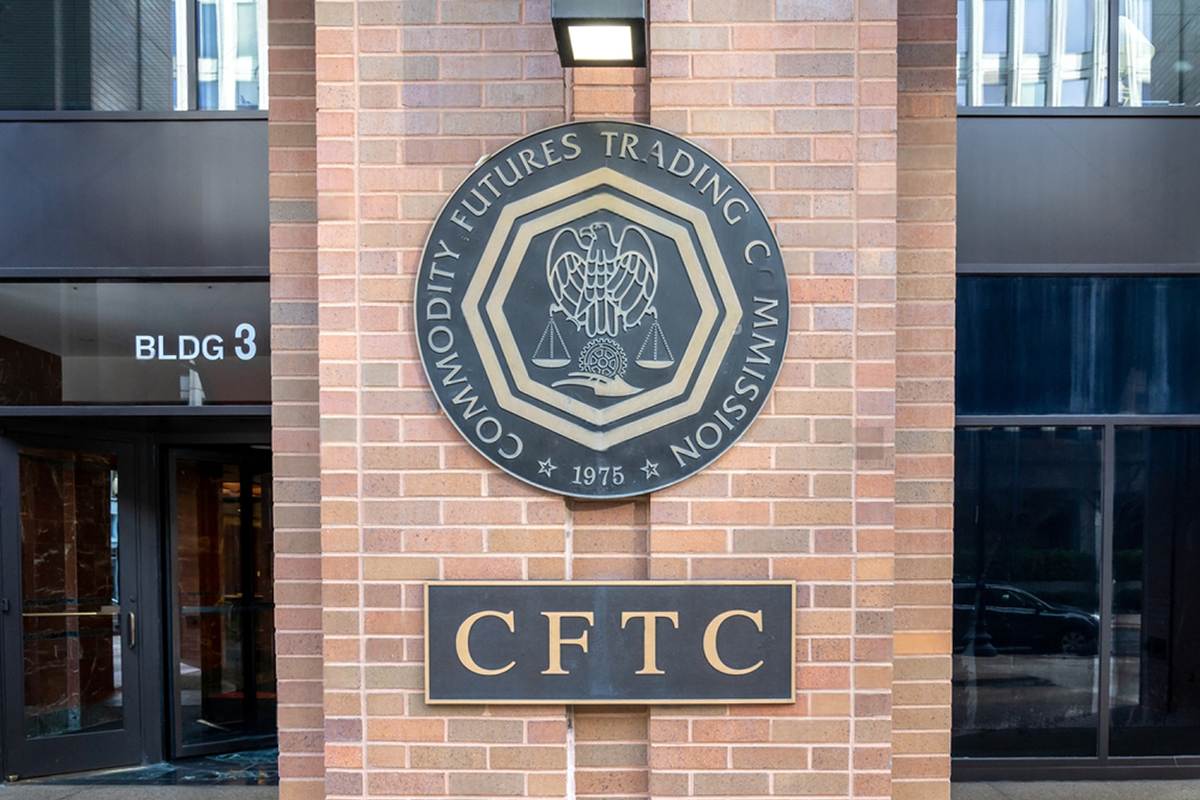
The Commodity Futures Trading Commission (CFTC) has filed lawsuits against Illinois, Arizona, and Connecticut, challenging their efforts to establish state-level sports prediction markets. The move signals a growing federal push to assert authority over emerging financial products that increasingly overlap with crypto-based prediction platforms.
As decentralized markets gain traction, the legal battle highlights intensifying regulatory scrutiny and its potential impact on innovation across both traditional and blockchain-based ecosystems.
Market Reaction: Prediction Market Uncertainty Weighs on Sentiment
While major cryptocurrencies such as Bitcoin (BTC) remained stable in the $68,000–$72,000 range, the regulatory action introduced uncertainty into prediction market platforms and related tokens. Some decentralized applications tied to forecasting markets experienced declines of approximately 4–8% following the announcement.
Trading volumes in the broader crypto market remained elevated at around $80–95 billion daily, suggesting continued engagement despite regulatory developments. However, niche sectors such as on-chain prediction markets saw reduced liquidity and cautious investor participation.
- BTC price: ~$70,000
- Prediction market token decline: -4% to -8%
- Daily crypto volume: $80B–$95B
The reaction indicates that while core assets remain resilient, regulatory actions can significantly influence sentiment in emerging subsectors.
Regulatory Implications: Federal vs. State Authority Clash
The lawsuits reflect a broader conflict between federal regulators and state governments over jurisdiction in financial innovation. The CFTC argues that sports prediction markets fall under its oversight as derivatives products, rather than state-regulated gaming or betting activities.
This distinction is critical for crypto markets, where similar platforms operate using blockchain technology to facilitate decentralized forecasting. If the CFTC’s position is upheld, it could establish a precedent requiring such platforms to comply with federal derivatives regulations.
For developers and operators, this introduces additional compliance requirements, including registration, reporting, and risk management standards. These obligations could increase operational costs and limit the accessibility of certain products.
At the same time, clearer regulatory boundaries may provide long-term benefits by reducing legal uncertainty and encouraging institutional participation.
Investor Perspective: Balancing Innovation and Compliance Risk
Investor sentiment toward prediction markets is becoming increasingly cautious as regulatory risks come into focus. While the sector offers unique opportunities for price discovery and data aggregation, legal uncertainty remains a key constraint on growth.
Institutional investors are particularly sensitive to regulatory developments, often prioritizing platforms that demonstrate compliance readiness and transparent governance structures. This has led to a shift in capital allocation toward more established segments of the crypto market.
Derivatives data shows that open interest across major crypto exchanges remains stable at approximately $85–95 billion, indicating that broader market positioning has not been significantly impacted.
Behaviorally, the market reflects a risk-adjusted approach, where investors continue to explore innovative sectors but with increased emphasis on legal clarity and sustainability.
Strategic Outlook: Defining the Future of Prediction Markets
The outcome of the CFTC’s legal actions will likely shape the future of both traditional and decentralized prediction markets. A ruling in favor of federal oversight could accelerate the integration of these platforms into the regulated financial system, while also imposing stricter compliance standards.
For crypto ecosystems, this may lead to a bifurcation between regulated platforms targeting institutional users and decentralized alternatives operating in less restrictive jurisdictions.
Looking ahead, investors will monitor developments in regulatory frameworks, platform adaptation strategies, and cross-border market dynamics. The balance between innovation and regulatory compliance will be critical in determining how prediction markets evolve and how capital flows into this emerging segment of the digital asset economy.
Comparison, examination, and analysis between investment houses
Leave your details, and an expert from our team will get back to you as soon as possible











Leave a comment