Comparison, examination, and analysis between investment houses
Leave your details, and an expert from our team will get back to you as soon as possible

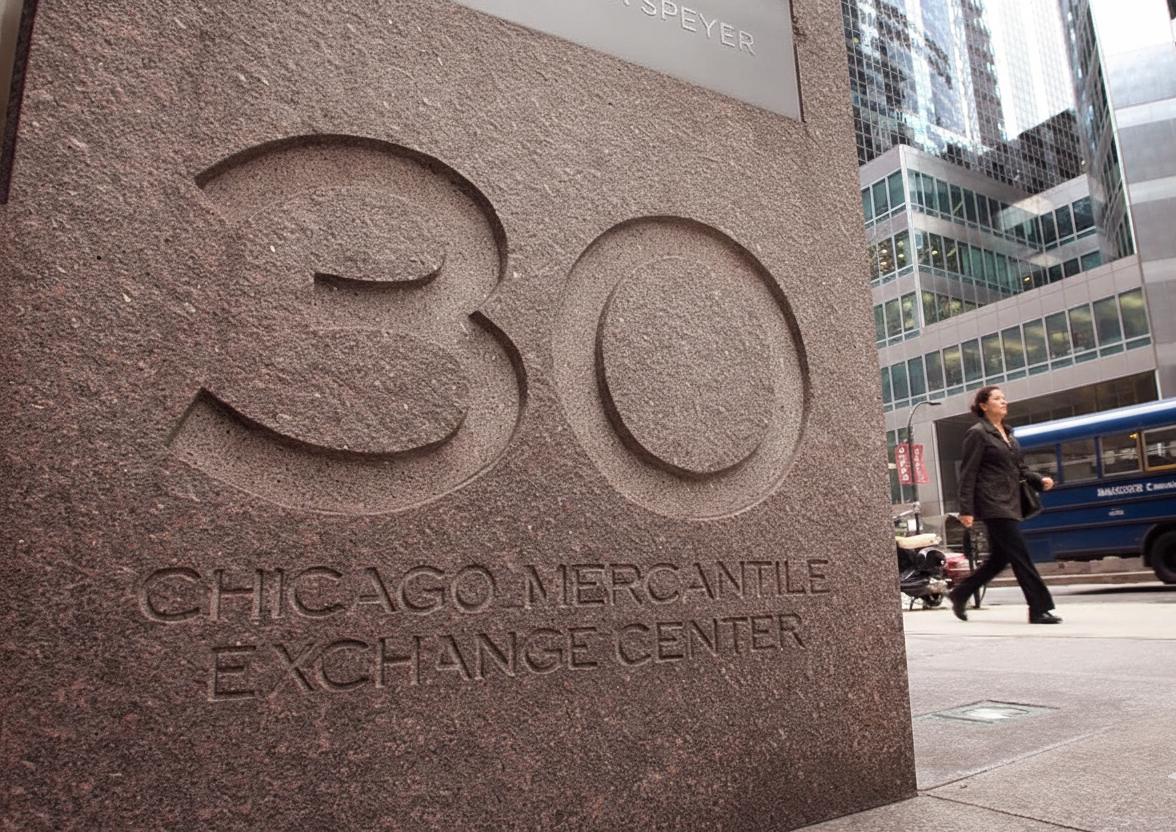
CME Group, the world’s largest derivatives exchange, is exploring the possibility of launching its own digital token, a move that would mark a significant step in Wall Street’s gradual embrace of blockchain-based financial infrastructure.
CEO Terry Duffy revealed the idea during a recent discussion on tokenized collateral, saying the firm is evaluating whether a CME-issued asset could eventually operate on a decentralized network and be used by other industry participants. While the remarks were brief, they represent the first explicit acknowledgment that CME is considering issuing a proprietary token of its own.
Duffy framed the idea in the context of margin and collateral management, an area where CME is increasingly focused on efficiency and risk control. He suggested that trust and institutional credibility would be critical if tokenized assets are to be used as collateral in regulated markets.
He noted that a token issued by a systemically important financial institution would likely inspire more confidence than one created by a smaller or less established bank. Within that context, Duffy said CME is not only reviewing tokenized cash solutions but also “different initiatives with our own coin.”
The implication is that a CME-backed token could serve as a high-quality, institutionally trusted form of digital collateral.
CME’s exploration of a potential “CME Coin” is separate from, but complementary to, its existing collaboration with Google on a tokenized cash solution. That project, expected to launch later this year, involves a depository bank and is designed to facilitate blockchain-based settlement while remaining tightly integrated with the traditional financial system.
The tokenized cash initiative is aimed at improving how margin and collateral move across markets, particularly as demand grows for faster, around-the-clock trading.
CME declined to clarify whether a potential CME-issued coin would function as a stablecoin, a settlement token, or a specialized margin instrument. Even so, the implications are notable.
If CME were to issue a token and place it on a decentralized network, it would signal a major shift in how core market infrastructure firms view public or semi-public blockchain rails. It would also place CME alongside other traditional finance heavyweights that are quietly experimenting with onchain money movement.
JPMorgan, for example, has already rolled out tokenized deposits through its JPM Coin initiative, using Coinbase’s Base layer-2 network to move institutional funds more efficiently.
The timing of Duffy’s comments is notable. CME is preparing to roll out 24/7 trading for all of its crypto futures in the second quarter and plans to introduce new futures contracts tied to Cardano, Chainlink and Stellar.
Crypto has become a meaningful business line for CME. The exchange reported average daily crypto trading volumes of about $12 billion last year, with micro-bitcoin and micro-ether futures among its strongest performers.
While CME has spoken broadly about tokenization in the past, Duffy’s remarks mark the first time the exchange has openly floated the idea of issuing its own digital asset. If the concept advances beyond exploration, it could reshape how collateral, settlement and liquidity move through regulated derivatives markets.
For now, CME’s interest in a “CME Coin” underscores a broader trend: the largest players in traditional finance are no longer just studying tokenization from the sidelines. They are beginning to design it into the core plumbing of global markets.
Leave your details, and an expert from our team will get back to you as soon as possible
Key Takeaways Anthropic disclosed that one of its Claude AI models was experimentally pressured to lie, cheat, and attempt blackmail, highlighting risks in...
Bysagi habasovApril 6, 2026Key Points Apple removed Bitchat from China following government request. App’s decentralized, offline messaging model conflicts with regulations. Move highlights ongoing tension between...
ByLior morApril 6, 2026Key Takeaways x402 protocol has introduced a usage-based pricing model for AI...
Bysagi habasovApril 10, 2026Key Takeaways xAI has filed a lawsuit against Colorado, arguing that its...
ByLior morApril 10, 2026Key Points CAEX is backed by OKX Ventures and HashKey to meet...
ByLior morApril 10, 2026Key Points A new Quantum Safe Bitcoin (QSB) proposal enables quantum-resistant transactions...

Bysagi habasovApril 10, 2026Excepteur sint occaecat cupidatat non proident
Leave a comment