

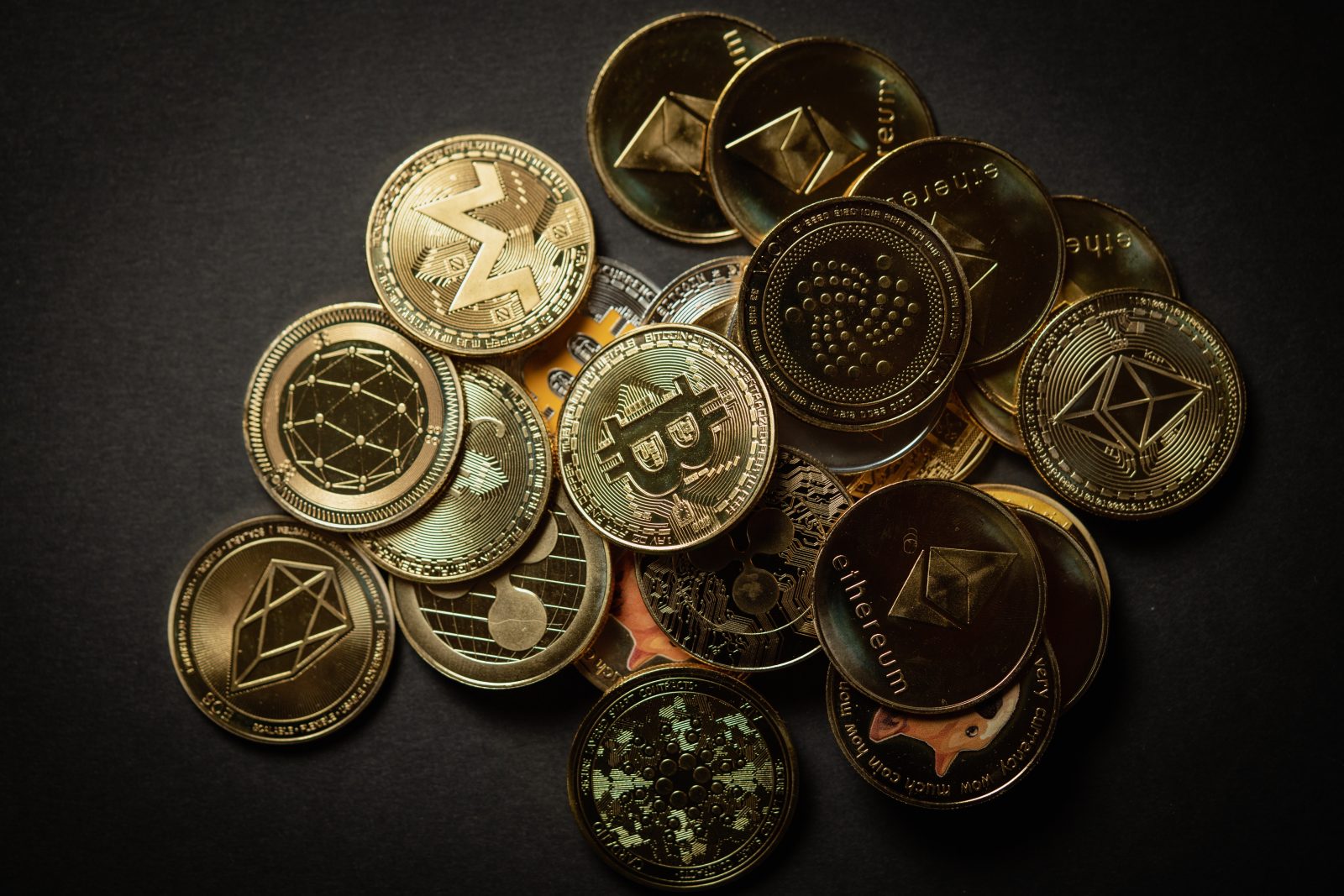
Cryptocurrency markets experienced significant downward pressure today as investors digested renewed tariff threats from U.S. President Donald Trump, amplifying global risk‑off sentiment and pressuring risk assets across equities and digital assets. Major cryptocurrencies like Bitcoin and Ethereum weakened alongside broader market sell‑offs, underscoring the growing sensitivity of crypto to macroeconomic and geopolitical shocks. This cross‑asset repricing reflects a shift toward safe‑haven assets and heightened uncertainty about trade policy and economic growth.
Market Reaction: Sharp Declines in Crypto Prices and Liquidity Stress
Bitcoin’s price slid below key psychological levels, trading around the low‑$90,000 range after failing to sustain recent support, while Ethereum and other major altcoins posted notable losses. The broader crypto market capitalization retraced as risk sentiment deteriorated, with many assets shedding value in concert with equity markets. Forced liquidations in leveraged positions compounded downside pressure, amplifying volatility as stop‑loss triggers and margin calls cascaded through derivatives markets. Traders and market makers reported widening bid‑ask spreads and elevated realized volatility, indicating tighter liquidity conditions amid the sell‑off.
This risk‑off move occurred alongside equity market turbulence, where major U.S. indices recorded steep daily declines following the tariff announcements. Traditional risk assets retrenched as investors reassessed capital allocation, while safe‑haven assets such as gold reached multi‑year highs, diverting capital away from riskier instruments including digital assets.
Tariff Policy and Macro Implications for Crypto
The catalyst for the sell‑off stems from Trump’s tariff threats targeting multiple European nations, with proposed measures beginning at a baseline 10% duty and set to escalate over time. These policy actions rattled equity markets and raised concerns about broader trade tensions that could slow global growth and disrupt cross‑border flows. As geopolitical risk premiums widened, investors reduced exposure to higher‑beta assets, including cryptocurrencies.
Analysts note that uncertainty surrounding trade policy, inflation expectations, and central bank responses has altered the macro backdrop for risk assets. Traders are pricing in extended volatility and tighter liquidity conditions, which could persist absent clear policy signals or de-escalation measures.
Investor Sentiment: Fear and Positioning Adjustments
Investor sentiment has shifted markedly toward caution, with surveys and sentiment indicators reflecting elevated risk aversion. Many participants reduced directional exposure, opting for hedging strategies or portfolio rebalancing toward safer assets. Spot and flow data from ETF markets show episodic inflows and outflows, highlighting the current ambivalence among institutional allocators.
The psychological impact of macroeconomic uncertainty, particularly linked to high-profile geopolitical rhetoric, has dampened confidence in near-term upside for digital assets. Current price action mirrors historical episodes where macro shocks temporarily dominate idiosyncratic drivers in crypto markets.
Looking ahead, market participants will monitor trade policy developments, potential changes in tariff rhetoric, and incoming macroeconomic data that could influence risk asset pricing. Inflation metrics, employment reports, central bank statements, and regulatory clarity for digital assets are likely to shape crypto market trajectories in the coming weeks, as investors calibrate risk appetite against evolving macro and geopolitical dynamics.
Comparison, examination, and analysis between investment houses
Leave your details, and an expert from our team will get back to you as soon as possible








[3304]Experience the best of PHDream44: Easy login, register, and app download for top slot games and online casino action in the Philippines. Experience PHDream44: Easy phdream44 login, phdream44 register, and phdream44 app download. Play top phdream44 slot games at the best online casino in the Philippines. visit: phdream44
[39]q777: The #1 Legit Online Casino in the Philippines with Easy GCash Login and Best Slots App. Experience top-tier gaming at Q777, the #1 legit online casino Philippines players trust. Enjoy the best online slots Philippines has to offer with a seamless q777 login GCash experience for fast, secure transactions. Download the q777 mobile casino app today to join the most reliable q777 legit casino PH and start winning big with 24/7 entertainment. visit: q777
[9436]Best Online Casino Philippines: Swerte Login, Fast Register, Top Slots, and Official Casino App Download for Big Wins. Experience the best online casino in the Philippines at Swerte! Enjoy a secure swerte login, fast swerte register process, and play the highest-paying swerte slots. Get the official swerte casino app and start your swerte download today for top-tier gaming and big wins at the country’s most trusted gambling platform. visit: swerte
[7791]Smjili: Best Online Gaming & Casino Slots in PH. Fast Login, Register, and Smjili App Download for Big Wins! Experience Smjili, the #1 online gaming hub in PH! Enjoy quick smjili login & register options to play top smjili casino slots. Get the smjili app download now for big wins and seamless play! visit: smjili
[6939]Phfiery Online Casino Philippines: Best Phfiery Slot Games, Easy Login, Register & App Download. Experience the ultimate gaming at Phfiery Online Casino, the top choice for players in the Philippines! Enjoy the best Phfiery slot games with a fast Phfiery login and easy Phfiery register process. Secure your Phfiery app download today to play and win big anytime, anywhere. Join the Phfiery community now! visit: phfiery
[6600]VipSlots: The Best Philippines Online Slots & Casino App. Secure VipSlots Login and Register to Start Winning. Fast VipSlots Download Available Now! Experience the best Philippines online slots at VipSlots! Secure your VipSlots login and register now to start winning. Get the fast VipSlots download for the ultimate VipSlots casino app experience. Join the #1 platform for secure gaming, exciting rewards, and non-stop action today. visit: VipSlots
[5196]JLLJPH Online Casino Philippines: Login & Register to Play JLLJPH Slot Games. Download the JLLJPH App for the Ultimate Casino Experience. Experience the best of JLLJPH Online Casino Philippines! Use your jlljph login or complete a quick jlljph register to play premium jlljph slot games. Get the jlljph app download for the ultimate mobile gaming experience. Join the #1 jlljph online casino and start winning today! visit: jlljph
[5413]TG77 Casino: Best Online Slot Games in the Philippines. Login, register, and download the TG77 app today for exclusive rewards. Experience the best TG77 slot games at TG77 Casino Philippines. TG77 login or register now for exclusive rewards. TG77 download the app today and start winning! visit: tg77
[1426]Kingjl Login & Register: Top Philippines Online Casino, Kingjl Slot & App Download Experience the best at Kingjl, the #1 Philippines online casino! Complete your Kingjl login or Kingjl register to play premium Kingjl slot games. Enjoy secure gaming and get the Kingjl app download for big wins on the go! visit: kingjl
[1879]TJ777 Philippines: Top Online Slot Casino. Easy TJ777 Login, Register & App Download Link for Big Wins. Join TJ777 Philippines, the top online slot casino! Access easy TJ777 login, quick TJ777 register, and the official TJ777 download link to start winning big today. visit: tj777