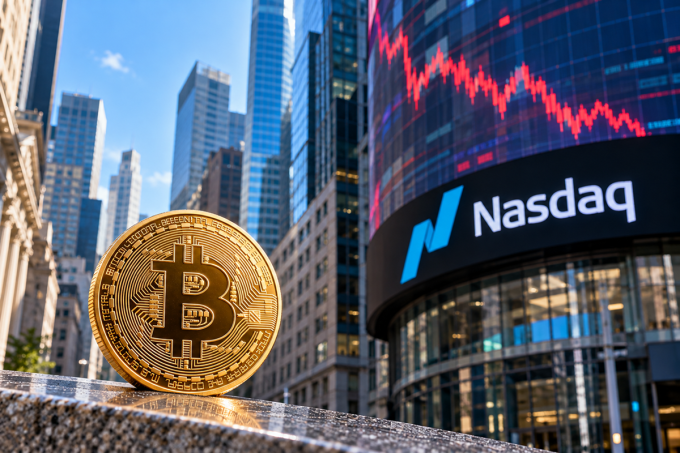
Bitcoin, Ethereum, XRP, and Dogecoin have underperformed global equities despite a powerful nine-week rally across major stock markets. While investors have embraced risk assets in traditional finance amid improving economic sentiment and easing geopolitical tensions, cryptocurrency markets have struggled to maintain the same pace as demand for exchange-traded funds continues to cool.
The divergence between crypto and equities highlights a shifting market dynamic. Institutional investors who previously fueled digital asset gains through spot ETF purchases appear to be reassessing exposure, even as stock markets benefit from expectations of lower interest rates, resilient economic growth, and improving corporate earnings.
ETF Slowdown Reduces a Key Source of Buying Pressure
Throughout much of the previous year, spot Bitcoin ETFs served as one of the most important catalysts for cryptocurrency markets. Consistent inflows helped absorb available supply, contributing to higher prices and increased institutional participation.
However, recent data indicate that ETF demand has weakened considerably. Several funds have recorded periods of net outflows, while aggregate inflows have slowed compared with the rapid pace seen earlier in the cycle. This moderation has reduced a significant source of buying pressure that previously supported Bitcoin’s advance.
For crypto investors, ETF activity remains a critical indicator because institutional capital tends to have a larger and more sustained impact on market trends than speculative retail flows. A slowdown in fund demand often translates into reduced liquidity and weaker momentum across the broader digital asset market.
The impact extends beyond Bitcoin. As the largest cryptocurrency loses momentum, correlated assets such as Ethereum, XRP, and Dogecoin frequently experience diminished investor interest and lower trading activity.
Equity Markets Continue to Attract Global Capital
While cryptocurrencies have struggled to advance, traditional financial markets have enjoyed a strong period of performance. Major equity indices have extended a nine-week rally, supported by declining inflation concerns, stable labor market conditions, and optimism surrounding corporate profitability.
Investors increasingly view equities as offering a more favorable risk-reward profile under current macroeconomic conditions. Unlike cryptocurrencies, which remain heavily influenced by liquidity cycles and regulatory developments, stocks benefit from measurable earnings growth and established valuation frameworks.
This capital rotation reflects a broader shift in institutional behavior. Rather than aggressively allocating to multiple risk assets simultaneously, investors appear to be concentrating exposure in sectors demonstrating stronger earnings visibility and more predictable returns.
The resulting performance gap has left many digital assets lagging behind broader financial markets despite generally supportive economic conditions.
Investor Sentiment Turns More Selective
The current market environment suggests that investors are becoming increasingly selective rather than broadly risk-seeking. During previous crypto rallies, enthusiasm often extended across major tokens and speculative assets. Today, market participants appear more focused on liquidity conditions, regulatory clarity, and tangible adoption metrics.
Bitcoin remains the dominant institutional asset within the digital asset sector, but even it has struggled to match the performance of leading equity benchmarks. Ethereum faces ongoing competition among smart-contract platforms, while XRP continues to be influenced by regulatory developments and adoption trends. Dogecoin, meanwhile, remains heavily dependent on retail participation and social sentiment.
From a psychological perspective, the slowdown in ETF demand may be reinforcing investor caution. When institutional flows weaken, many traders become reluctant to increase exposure until stronger evidence of renewed momentum emerges.
Nevertheless, long-term developments across blockchain infrastructure, tokenization, stablecoin adoption, and decentralized finance continue to progress. These structural trends suggest that short-term underperformance does not necessarily reflect deteriorating fundamentals across the digital asset ecosystem.
Looking ahead, investors will closely monitor ETF flow data, central bank policy decisions, and broader liquidity conditions for signs of renewed institutional participation. A recovery in fund inflows could help restore momentum across Bitcoin and major altcoins. Until then, the contrast between a strengthening stock market and a consolidating cryptocurrency sector is likely to remain a defining feature of the current investment landscape, making capital flows and investor sentiment key indicators to watch in the weeks ahead.
Comparison, examination, and analysis between investment houses
Leave your details, and an expert from our team will get back to you as soon as possible