

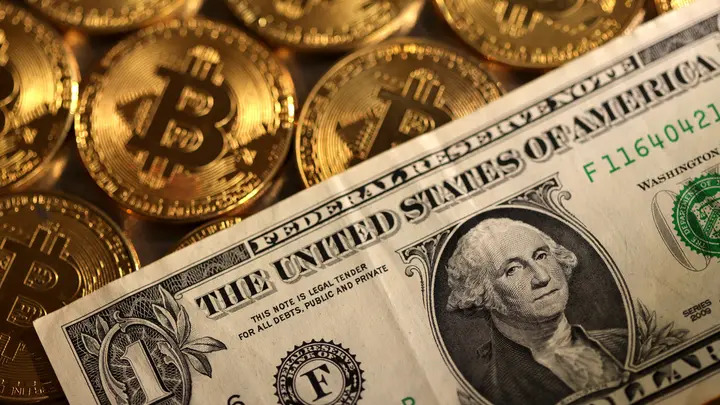
The U.S. Federal Reserve’s decision to begin buying $40 billion in short-term Treasury bills alongside last week’s 25-basis-point rate cut initially sparked optimism across crypto markets. For many investors, any expansion of the Fed’s balance sheet evokes memories of past quantitative easing cycles that helped propel Bitcoin and other risk assets sharply higher.
But a closer look at the mechanics suggests this operation is fundamentally different—and far less likely to jolt crypto out of its current malaise.
Why This Isn’t Quantitative Easing
The Fed’s latest purchases fall under what it calls Reserve Management Operations (RMOs), not quantitative easing. While both expand the central bank’s balance sheet, their intent and market impact differ significantly.
Classic QE programs, such as those launched after the 2008 financial crisis and during the 2020 pandemic, involved large-scale purchases of longer-dated Treasury notes and mortgage-backed securities. Those actions directly pushed down long-term yields, encouraged borrowing, and incentivized investors to move into equities, real estate, and speculative assets, including cryptocurrencies.
This time, the Fed is buying short-term Treasury bills, typically maturing in weeks or months. The objective is not to stimulate economic growth or inflate asset prices, but to stabilize money markets by ensuring sufficient bank reserves.
As macro analyst Conks noted in a recent post, the current program “adds liquidity, not stimulus.” Markets appear to agree. Bitcoin briefly popped following the announcement but has since drifted lower, trading near $87,000—roughly 7% below post-Fed highs.
What’s Actually Driving the Fed’s Move
The bill purchases come after bank reserves fell below $3 trillion in late October, a level many policymakers view as the minimum for “ample reserves.” When reserves shrink too far, overnight funding rates can spike, tightening financial conditions abruptly.
The Fed’s intervention aims to prevent a repeat of episodes like September 2019, when a sudden shortage of reserves caused repo rates to surge and forced emergency central bank action. By injecting reserves through bill purchases, the Fed lowers the cost of short-term interbank borrowing and keeps money markets functioning smoothly.
Crucially, this does little to influence longer-term yields such as the 10-year Treasury rate, which remains the key transmission channel for stimulating credit creation and risk appetite. Without sustained pressure on those yields, the historical link between Fed balance-sheet expansion and crypto rallies weakens.
A Pre-Emptive Liquidity Buffer
The timing also reflects a forward-looking concern. April’s U.S. tax season typically drains hundreds of billions of dollars from money markets as corporations and households send payments to the Treasury. That sudden cash pull can stress funding markets if reserves are already thin.
Fed Chair Jerome Powell acknowledged this risk during the latest FOMC press conference, signaling a desire to rebuild a liquidity cushion well ahead of potential stress points. The $40 billion monthly bill-buying program effectively front-loads reserve injections to avoid surprises.
What It Means for Bitcoin and Crypto
For crypto investors, the takeaway is nuanced. The Fed’s actions remove a potential tail risk—a sudden spike in funding stress that could have forced disorderly selling across markets. That alone is supportive at the margin.
However, without the longer-term yield suppression and explicit growth stimulus associated with QE, the operation is unlikely to reignite speculative fervor. Bitcoin’s price action reflects this reality: stable, but directionless, as traders wait for a clearer macro or liquidity catalyst.
Looking ahead, crypto’s next sustained move is more likely to depend on changes in growth expectations, inflation trends, or risk sentiment rather than reserve management alone. The Fed may be keeping the pipes unclogged—but it isn’t opening the floodgates.
Comparison, examination, and analysis between investment houses
Leave your details, and an expert from our team will get back to you as soon as possible












Had a little trouble logging into wowph, but wowph11login smoothed things out. Quick access, no hassle. Appreciate the easy login! wowph11login
Been looking for a reliable sports betting platform. Stumbled upon 188betthethao. Seems legit, gonna place a few bets.