

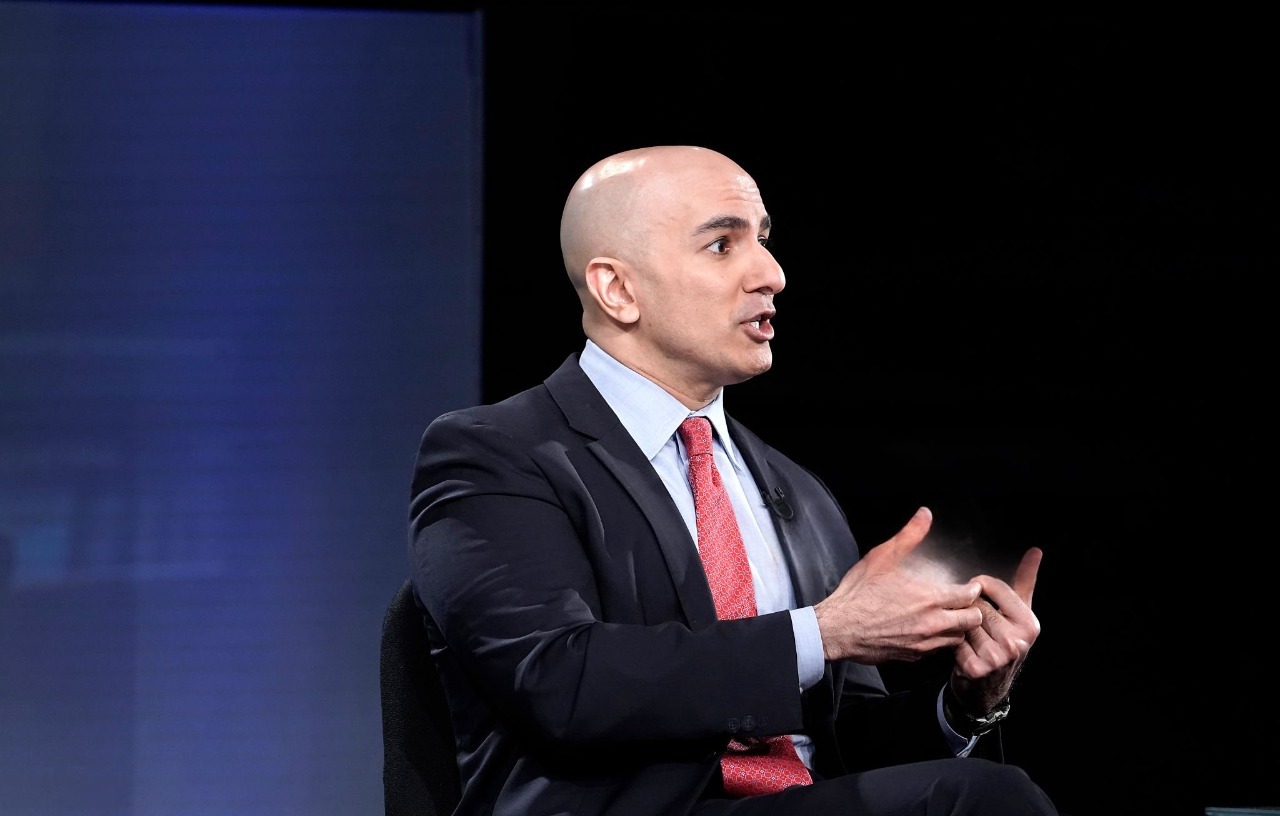
Minneapolis Federal Reserve President Neel Kashkari reignited debate over digital assets this week, calling cryptocurrency “utterly useless” and dismissing stablecoins as little more than “buzzword salad.” His remarks come at a critical juncture for the industry, as lawmakers weigh stablecoin frameworks and institutional participation in digital assets continues to expand.
For sophisticated crypto investors, the comments underscore the persistent divide between segments of U.S. monetary authorities and the rapidly institutionalizing digital asset market.
Market Reaction: Limited Immediate Price Impact
Despite the sharp rhetoric, major cryptocurrencies showed muted reaction. Bitcoin traded near the $68,000–$70,000 range following the remarks, while ether hovered around the mid-$3,000s. Aggregate crypto market capitalization remained above $2.5 trillion, and 24-hour spot volumes held within recent averages.
The relatively restrained market response suggests that investors increasingly differentiate between commentary and actionable policy shifts. Historically, isolated criticism from policymakers has produced short-term volatility, but sustained price repricing typically requires regulatory enforcement actions or material shifts in monetary policy.
Stablecoins—often targeted in regulatory debates—continue to represent over $150 billion in circulating supply, with daily settlement volumes frequently exceeding major card networks. Kashkari’s dismissal contrasts with on-chain data showing persistent utilization across exchanges, DeFi protocols, and cross-border transfers.
Regulatory Implications: Rhetoric vs. Policy Trajectory
Kashkari’s critique highlights a broader institutional tension: central bankers often question crypto’s intrinsic value, while legislators and regulators focus on consumer protection and systemic risk management rather than outright prohibition.
In Washington, multiple stablecoin proposals emphasize reserve transparency, bank-like supervision, and issuer registration requirements. This indicates that policymakers are preparing frameworks to integrate stablecoins into existing financial oversight structures rather than eliminate them.
From a macro perspective, stablecoins function as dollar-linked liquidity rails within crypto markets. Their role as collateral in derivatives trading and as settlement layers in tokenized asset platforms has expanded. Institutional adoption of tokenized Treasury products and on-chain money market funds further complicates claims of irrelevance.
However, Kashkari’s remarks reinforce the possibility that segments of the Federal Reserve remain skeptical of digital asset integration within traditional payment systems—an important consideration as central bank digital currency (CBDC) discussions evolve.
Investor Sentiment: Narrative Friction and Institutional Maturity
Institutional investors appear increasingly insulated from headline-driven sentiment swings. Derivatives funding rates and options skew data indicate neutral-to-cautious positioning rather than panic unwinding. ETF flows have shown intermittent inflows despite periodic regulatory criticism.
Strategically, portfolio managers often view such statements through a risk-management lens:
- Monitoring regulatory tone for signals of enforcement shifts.
- Assessing stablecoin counterparty exposure in treasury operations.
- Evaluating cross-asset correlations amid macro policy commentary.
The psychological dimension remains relevant. Public dismissal by senior policymakers can influence retail participation and media narratives, potentially amplifying volatility during fragile market phases. Yet long-term institutional allocators tend to anchor decisions to liquidity cycles, adoption metrics, and regulatory clarity rather than rhetorical critiques.
Looking ahead, the divergence between central bank skepticism and market infrastructure growth will likely define the next phase of crypto’s institutional integration. While critical commentary may periodically weigh on sentiment, measurable indicators—such as stablecoin reserve disclosures, ETF participation trends, and legislative progress—will ultimately determine whether digital assets solidify their position within the broader financial architecture.
Comparison, examination, and analysis between investment houses
Leave your details, and an expert from our team will get back to you as soon as possible










Leave a comment