

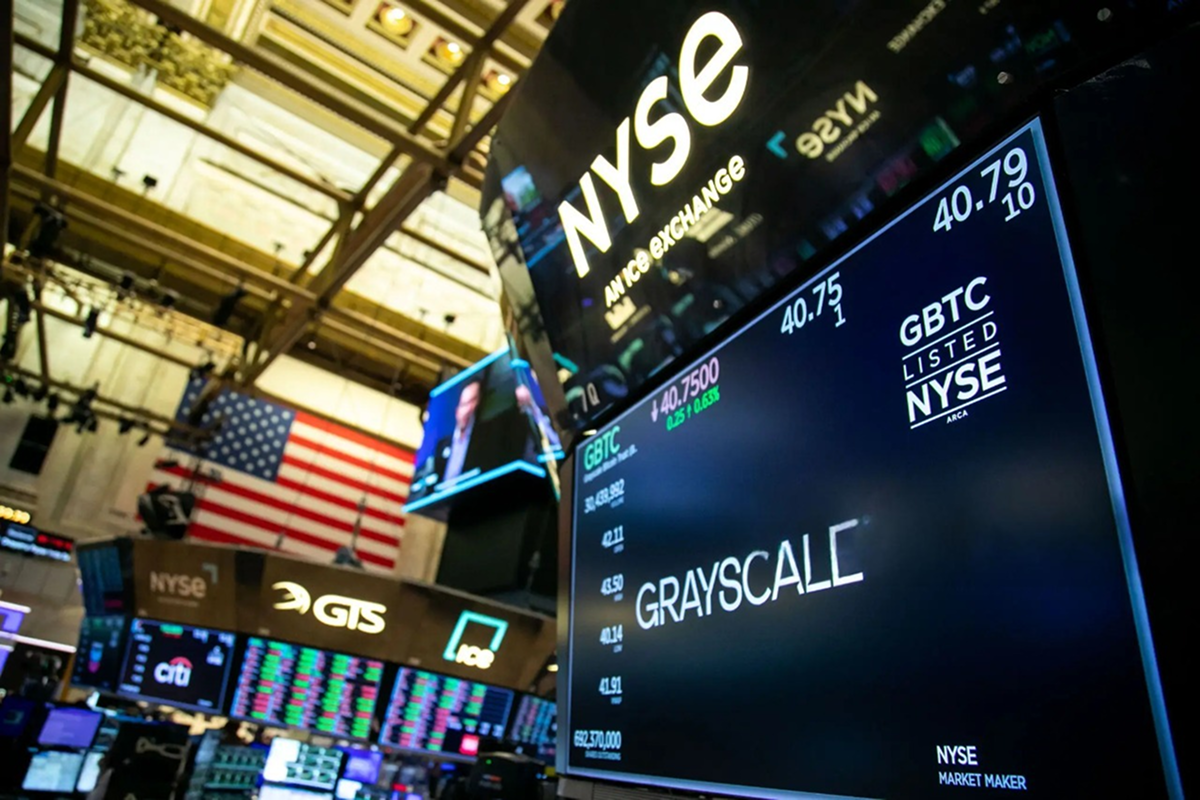
The first U.S. spot exchange‑traded product tracking Chainlink (LINK) began trading this week as Grayscale Investments listed its newly converted fund under ticker GLNK on NYSE Arca. The move arrives amid renewed institutional appetite for regulated crypto vehicles and broader macro pressure that’s weighed on many altcoins. Analysts view the listing as a key development that could reshape how traditional investors engage with digital‑asset infrastructure tokens.
Market Reaction
LINK responded sharply to the ETF debut, rising roughly 8% on the first trading day, according to market data. The rally made LINK one of the top performers among major altcoins as traders weighed the significance of GLNK’s listing. The surge came even though some exchange‑level data shows LINK reserves hitting multi‑year lows, highlighting a deepening supply squeeze. Such price action suggests that the market is interpreting the GLNK launch as a potential catalyst for renewed demand, possibly driven by institutions now able to access LINK exposure in a regulated wrap.
Regulatory and Product Structure Implications
GLNK’s debut reflects growing regulatory comfort with spot ETFs tied to non‑Bitcoin crypto assets. The conversion from Grayscale’s prior private trust into a publicly traded ETP marks another milestone in the broader effort to integrate digital assets within traditional capital markets. The product, while offering LINK exposure, remains an exchange‑traded product and is not registered under the Investment Company Act of 1940 — a structural caveat noted by Grayscale. Moreover, the ETF reportedly retains a potential staking component, aiming to reflect the utility of LINK’s oracle infrastructure rather than just its price dynamics. This structure may appeal to institutions seeking compliance-friendly access without needing to custody or directly manage underlying tokens.
Investor Sentiment and Strategic Response
Investor sentiment appears cautiously optimistic. Some market participants view GLNK as a bridge for institutional capital to flow into infrastructure-layer tokens, especially as conventional investing channels increasingly integrate crypto‑native assets. The drop in exchange reserves adds to a narrative of tightening supply, which under the right demand conditions could amplify price movements. However, given lingering macroeconomic headwinds, some strategists caution that LINK — and by extension GLNK — may struggle to escape broader risk-off sentiment if macro volatility resurges. The debut’s impact may therefore depend heavily on near-term capital flows and institutional engagement over the next few weeks.
Looking ahead, the GLNK listing marks a structural turning point for Chainlink adoption in traditional finance. If flows into the ETF remain robust and staking functionality proves viable, LINK could become a more widely accepted component of institutional portfolios — especially for those seeking exposure to blockchain infrastructure rather than pure speculation. That said, macroeconomic uncertainties, regulatory scrutiny on staking-based products, and the inherent volatility of digital‑asset markets remain key variables to monitor.
Comparison, examination, and analysis between investment houses
Leave your details, and an expert from our team will get back to you as soon as possible










Leave a comment