

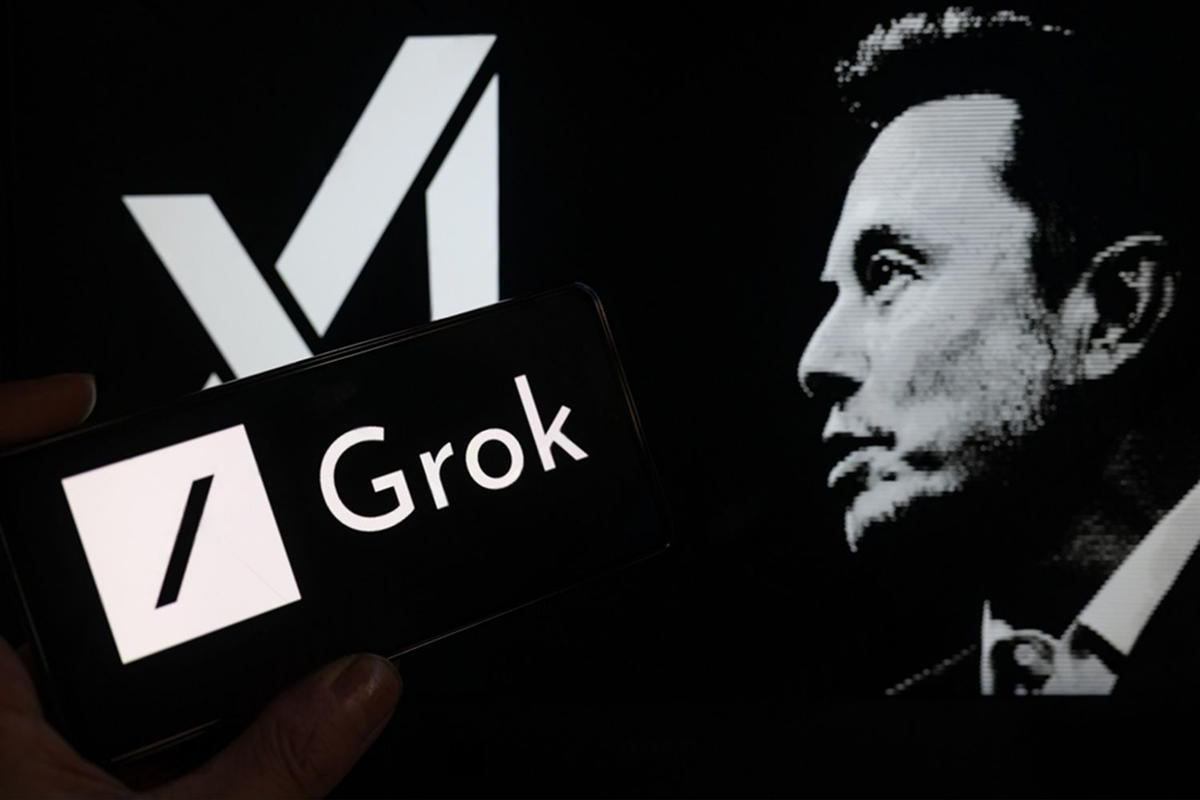
Grok, the artificial intelligence chatbot developed by xAI, recently went viral after delivering a series of blunt and controversial responses directed at high-profile figures including Elon Musk, Benjamin Netanyahu, and Keir Starmer. Screenshots of the chatbot’s replies circulated widely across social media platforms, generating millions of views and igniting fresh debate about AI moderation, governance, and accountability.
The episode arrives as the AI sector intersects increasingly with cryptocurrency and blockchain markets, where tokenized AI projects and decentralized compute networks have collectively surpassed $30 billion in market capitalization, reflecting rising investor interest in AI-linked digital assets.
Market Reaction and AI Token Activity
Following the viral attention surrounding Grok, trading volumes across several AI-related cryptocurrency tokens rose noticeably. Tokens associated with decentralized AI infrastructure and compute networks recorded price movements ranging between 4–9% intraday, while sector trading volumes increased above $1.5 billion across major exchanges.
Although the market reaction was not uniform, the event illustrates how viral technology narratives can rapidly influence sentiment across digital asset sectors tied to emerging technologies. Historically, AI-related tokens have shown strong sensitivity to headlines involving large technology firms or major product launches.
Technology Governance and Platform Moderation
The incident also highlights broader concerns around AI governance, particularly as generative systems interact directly with public discourse. Chatbots capable of producing unfiltered commentary can create reputational and regulatory challenges for developers.
Governments across multiple jurisdictions are currently exploring frameworks to regulate artificial intelligence systems. The European Union’s AI Act, for example, introduces compliance requirements for high-impact AI models, while regulators in the United States and United Kingdom have emphasized transparency and safety standards.
For companies operating at the intersection of AI and decentralized technology, regulatory expectations may increasingly include safeguards around content moderation, algorithmic transparency, and user accountability.
Investor Sentiment and Strategic Implications
From an investor perspective, viral incidents involving AI platforms can have mixed implications. On one hand, heightened public attention can accelerate adoption and investment into AI-related infrastructure. On the other, controversial outputs may attract regulatory scrutiny that shapes long-term industry dynamics.
Within the crypto sector, decentralized AI initiatives often emphasize open-source development and distributed governance. These frameworks present alternative approaches to managing algorithmic behavior compared to centralized technology platforms.
Market participants increasingly view AI as a complementary layer to blockchain ecosystems, particularly in areas such as automated trading strategies, decentralized computing networks, and predictive analytics.
Looking ahead, the intersection of artificial intelligence and digital assets will likely continue expanding as both technologies evolve. Viral events such as the Grok episode highlight the importance of balancing innovation with governance frameworks that address ethical, regulatory, and reputational considerations. For crypto investors, monitoring how AI regulation develops may become increasingly relevant as tokenized AI ecosystems grow in scale and influence within the broader digital economy.
Comparison, examination, and analysis between investment houses
Leave your details, and an expert from our team will get back to you as soon as possible











Leave a comment