

Key Points:
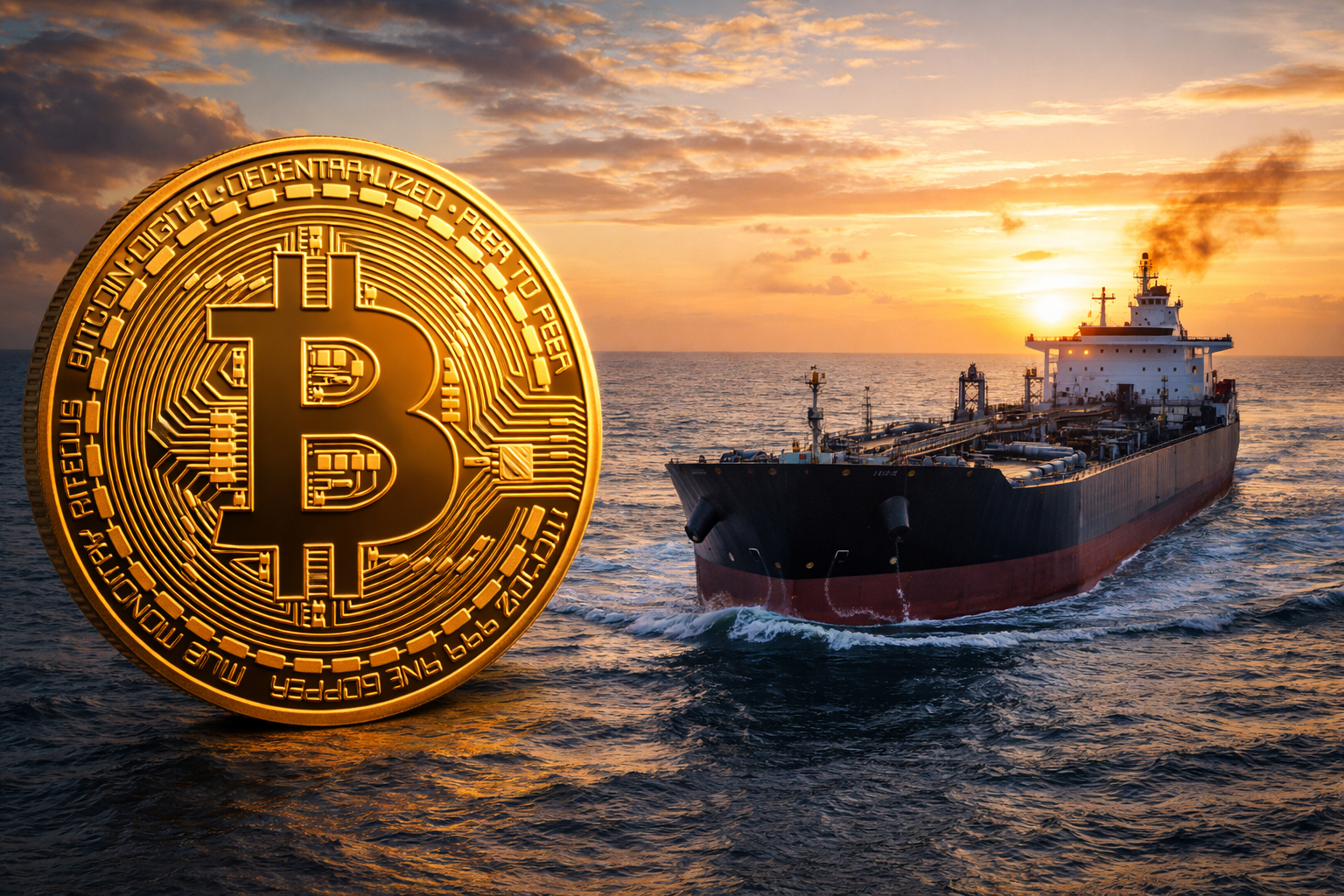
• Iran may charge $1 per barrel in Bitcoin for ships using Hormuz.
• Plan follows ceasefire talks and reopening of the key oil route.
• Move highlights crypto’s role in sanctions evasion and trade.
Iran Explores Crypto-Based Shipping Fees
Iran is reportedly considering imposing tariffs on ships passing through the Strait of Hormuz, with payments potentially required in Bitcoin.
Under the proposal, certain vessels transporting oil would pay $1 per barrel, while empty tankers would be allowed to pass without charges. The initiative comes amid shifting geopolitical dynamics following a temporary ceasefire agreement between the United States and Iran.
Strategic Waterway at the Center of Global Trade
The Strait of Hormuz is one of the world’s most critical النفط transit chokepoints, handling a significant portion of global oil shipments.
Recent conflicts had disrupted access to the route, pushing oil prices above $100 per barrel and contributing to volatility across both traditional and crypto markets. The reopening of the strait under a ceasefire framework has renewed focus on how access will be managed—and monetized.
Crypto as a Tool to Bypass Sanctions
Iran’s reported plan to accept Bitcoin payments reflects ongoing efforts to navigate international sanctions. Crypto transactions, which can be harder to trace and block than traditional financial transfers, offer an alternative mechanism for cross-border payments.
Authorities are reportedly considering rapid payment systems that would require ships to settle fees within seconds, reducing the risk of funds being intercepted or frozen.
Broader Pattern of Crypto Adoption in Iran
Even before the recent escalation in conflict, Iran had increasingly turned to digital assets to support its economy. Reports indicate that billions of dollars in crypto transactions have flowed through the country, including significant use of stablecoins like Tether.
This growing reliance on crypto underscores its role as a financial workaround in regions facing restricted access to global banking systems.
Market and Geopolitical Implications
If implemented, crypto-based tolls could mark a significant shift in how global trade routes operate, blending digital assets with traditional commodities markets.
However, the proposal also raises concerns around enforcement, transparency and geopolitical tensions, as major economies may push back against mechanisms perceived as sanction evasion.
A New Frontier for Crypto in Global Trade
The development signals how cryptocurrencies are increasingly intersecting with real-world infrastructure and geopolitics.
From energy markets to international shipping, digital assets are moving beyond investment use cases into strategic economic tools—reshaping how value moves across borders in a fragmented global system.
Comparison, examination, and analysis between investment houses
Leave your details, and an expert from our team will get back to you as soon as possible










Leave a comment