

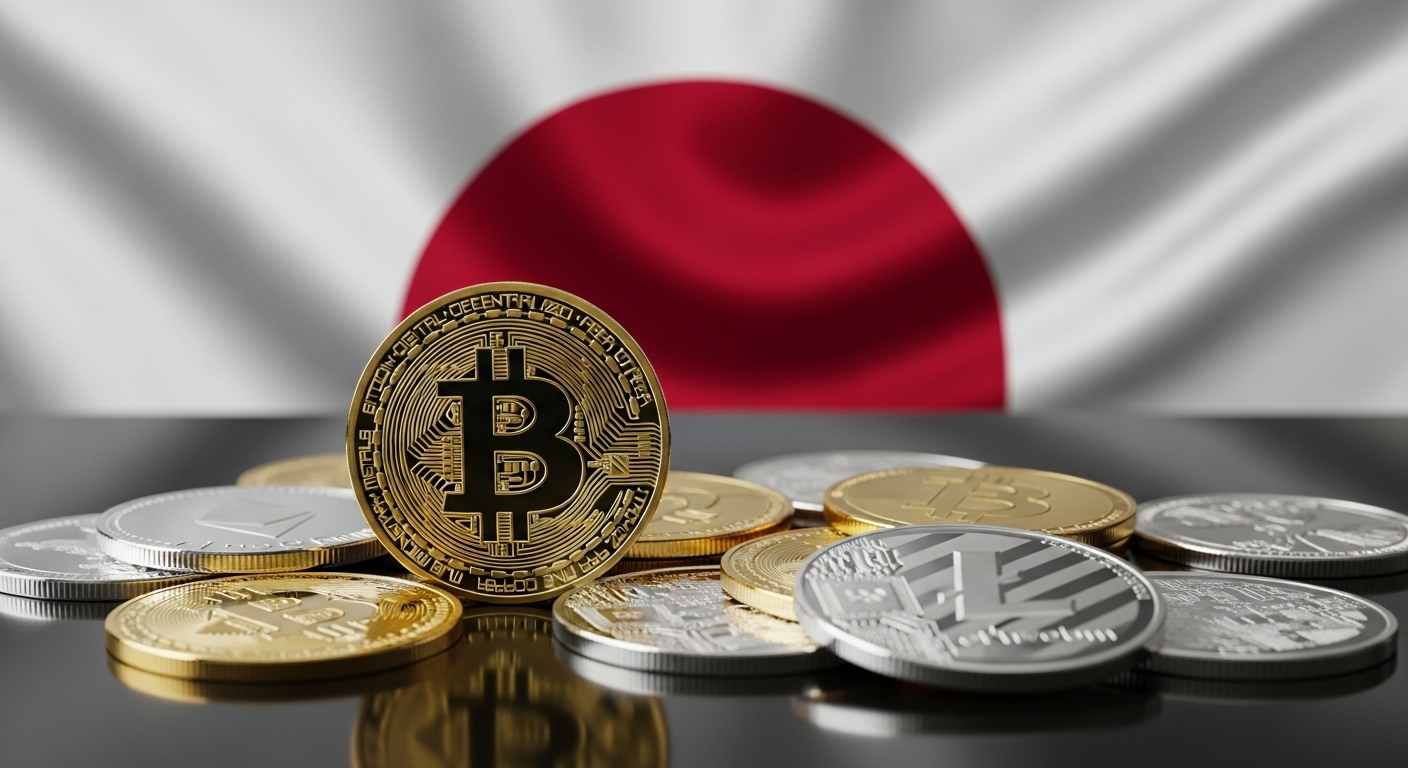
Japan’s government has endorsed a plan to impose a flat 20% tax on cryptocurrency gains, aligning digital assets with equities and other financial instruments. This reform signals a major step toward regulatory clarity, reflecting the country’s effort to integrate crypto into mainstream finance while potentially reshaping investor behavior domestically and internationally.
Market Reaction: Crypto Community Responds
The announcement prompted immediate discussion among Japanese traders and investors. Previously, crypto profits were taxed as miscellaneous income, with rates reaching as high as 55% for top earners. By setting a uniform 20% rate, the government introduces predictability, which could encourage both retail and institutional participation.
Traders anticipate that the lower, standardized tax may help reactivate domestic trading activity. Institutional investors who previously avoided Japanese crypto markets due to high tax burdens may reconsider exposure, potentially increasing trading volumes and improving liquidity across local exchanges.
Regulatory Overhaul: From Miscellaneous Income to Financial Instruments
Under the new framework, cryptocurrencies will be treated as financial products governed by Japan’s Financial Instruments and Exchange Act (FIEA), similar to stocks and bonds. This reclassification introduces stricter disclosure rules, requiring exchanges to provide transparency on listed tokens, including issuer information and volatility risk.
The reform also plans to extend insider-trading regulations to crypto for the first time in Japan, enhancing investor protection and signaling the government’s commitment to mainstreaming digital assets. Approximately 105 cryptocurrencies are expected to be included in this regulated framework, providing clarity on which assets qualify under the new rules.
Investor Sentiment: Cautious Optimism
For many investors, the 20% tax represents both a rate reduction and regulatory legitimacy. Reduced tax uncertainty could unlock previously hesitant institutional demand and encourage long-term holding. Some asset managers have expressed interest in launching crypto-focused funds once the legislation takes effect.
Nevertheless, caution remains until the law is formally enacted. Institutional investors are likely to monitor how exchanges comply with the new requirements, while retail participants may continue evaluating token eligibility and liquidity before increasing exposure.
Outlook: What to Monitor Going Forward
If enacted as proposed in 2026, the 20% flat tax could stimulate renewed interest in Japan’s crypto market, increasing trading volumes and supporting product innovation under regulated frameworks.
At the same time, compliance obligations, disclosure rules, and insider-trading provisions may affect token listings and market dynamics. Investors should watch for legislative approval, detailed regulatory guidelines, and how exchanges adapt to ensure compliance, all of which will shape Japan’s crypto landscape in the coming months.












https://shorturl.fm/cDXzq