

Key Points
- Robinhood approved a $1.5 billion share buyback program over three years.
- The move comes as its stock struggles amid broader crypto and tech market weakness.
- Despite short-term pressure, the company continues expanding into crypto and tokenization.
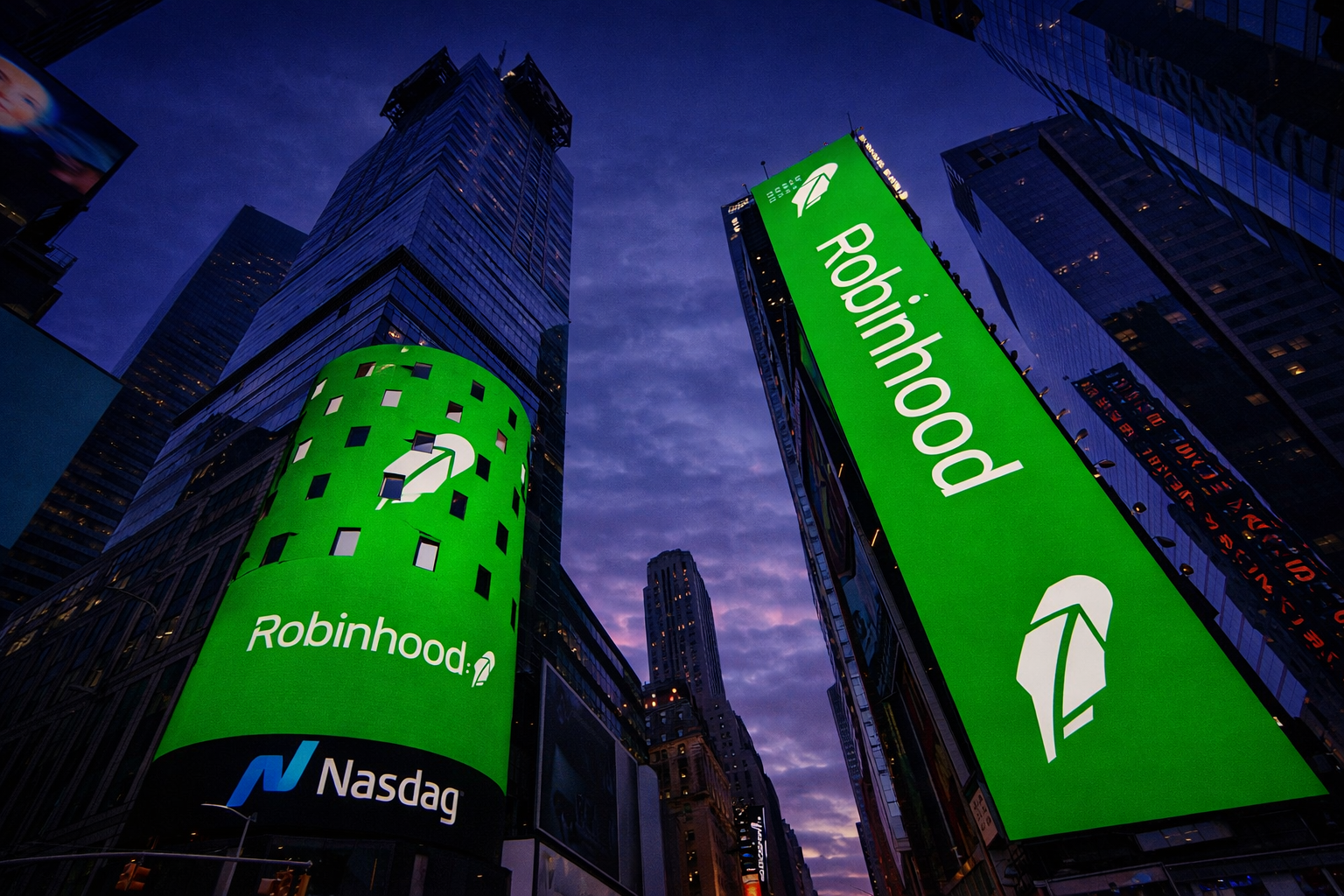
Robinhood has announced a $1.5 billion share repurchase program, signaling management’s confidence in the company’s long-term value despite recent market struggles.
The buyback includes $1.1 billion in newly authorized capacity, with the remainder carried over from a previous program. Typically, such initiatives indicate that a company believes its stock is undervalued and aims to return capital to shareholders.
Stock Drops to Yearly Lows
Robinhood’s stock has come under significant pressure in 2026, falling nearly 5% in a single session and hitting its lowest level of the year. Shares have declined roughly 39% year-to-date and more than 50% from their previous highs, reflecting broader weakness across crypto and technology sectors.
The downturn has been driven largely by macroeconomic uncertainty and geopolitical tensions, which have weighed heavily on risk assets globally.
Expanding Financial Firepower
Alongside the buyback, Robinhood strengthened its financial position through its subsidiary, Robinhood Securities, by securing a $3.25 billion revolving credit facility with JPMorgan Chase.
The facility can expand to nearly $4.9 billion, providing additional liquidity to support operations, growth initiatives and potential market opportunities during volatile conditions.
Long-Term Growth Strategy Remains Intact
Despite short-term stock weakness, Robinhood continues to push forward with strategic initiatives in crypto and financial infrastructure. CEO Vlad Tenev has emphasized the company’s focus on innovation, including the development of its own blockchain network.
The upcoming Robinhood Chain aims to support tokenized assets such as equities and exchange-traded funds, positioning the company at the intersection of traditional finance and blockchain technology.
Balancing Volatility With Opportunity
While current market conditions have pressured Robinhood’s valuation, its long-term outlook remains supported by product expansion and growing interest in tokenization. Analyst projections continue to suggest upside potential, indicating that investors may view the recent decline as a temporary setback rather than a structural issue.
As markets stabilize, Robinhood’s ability to execute on its broader strategy will be key in determining whether the buyback proves to be well-timed.
Comparison, examination, and analysis between investment houses
Leave your details, and an expert from our team will get back to you as soon as possible










Leave a comment