

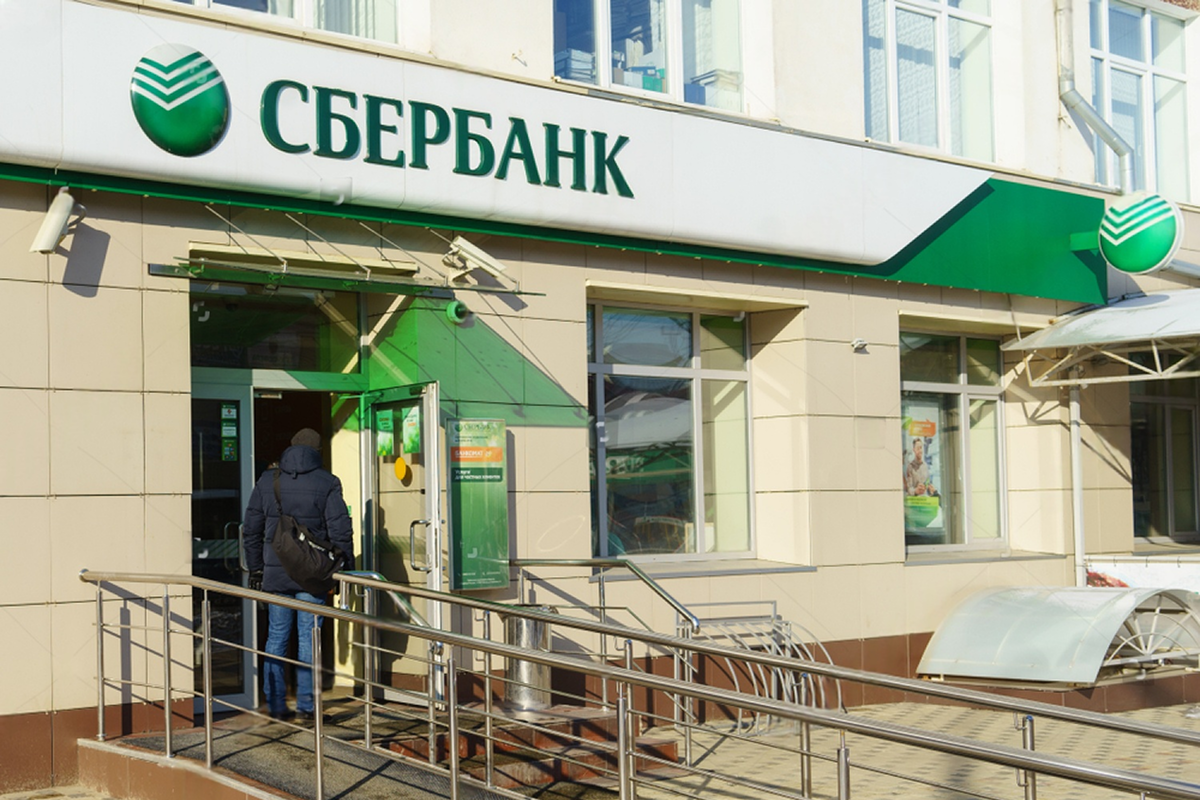
Sberbank, Russia’s largest lender by assets, is preparing to issue crypto-backed loans, signaling a significant step by a systemically important financial institution toward integrating digital assets into traditional credit markets. The initiative reflects broader shifts in global finance, where geopolitical fragmentation, evolving regulation, and growing institutional familiarity with crypto are reshaping how banks approach collateral, liquidity, and alternative financing structures.
Market Context: Banks Explore Crypto as Collateral Asset
Sberbank’s move comes as crypto-backed lending gains renewed attention among financial institutions seeking collateral diversification and capital efficiency. Globally, crypto-backed loans represent an estimated $8–10 billion segment, still small relative to traditional credit markets but growing as digital asset custody and valuation frameworks mature. For Russia, where capital mobility and access to global markets remain constrained, the use of crypto as collateral offers a domestically controlled mechanism to unlock liquidity without relying on external funding channels, positioning digital assets as functional balance-sheet tools rather than speculative instruments.
Product Structure: How Crypto-Backed Loans Fit Traditional Banking
Crypto-backed lending typically allows borrowers to pledge digital assets such as Bitcoin or Ether in exchange for fiat liquidity, with loan-to-value ratios commonly ranging between 40% and 60% to manage volatility risk. Sberbank is expected to apply conservative risk parameters, including overcollateralization, real-time margin monitoring, and automated liquidation thresholds. For institutional clients, the structure provides access to liquidity without selling underlying crypto holdings, preserving long-term exposure while converting volatile assets into working capital under a regulated banking framework.
Regulatory Implications: State Oversight Shapes Adoption
The initiative reflects a calibrated shift in Russia’s regulatory stance toward digital assets, where outright bans have gradually given way to controlled experimentation. Crypto-backed lending allows regulators to maintain oversight of custody, valuation, and settlement while limiting retail exposure. By embedding crypto loans within a licensed banking institution, authorities retain visibility into flows and counterparty risk, addressing concerns around financial stability and capital flight. For crypto investors, this underscores how regulatory alignment increasingly determines which digital asset use cases scale beyond niche markets.
Strategic Rationale: From Speculation to Financial Infrastructure
From a strategic perspective, Sberbank’s entry into crypto-backed lending highlights a broader institutional pivot toward utility-driven crypto adoption. Rather than positioning digital assets as speculative products, banks are exploring their role as collateral, settlement layers, and liquidity tools. Investor psychology around crypto is evolving accordingly, with emphasis shifting from price appreciation to balance-sheet efficiency, yield generation, and integration into established financial processes. This transition mirrors earlier stages of commodities and foreign exchange markets, where institutional adoption accelerated once infrastructure matured.
Looking ahead, the success of Sberbank’s crypto-backed lending will depend on volatility management, regulatory clarity, and borrower demand under real market conditions. For global crypto investors, the move signals a deeper institutionalization of digital assets, particularly in jurisdictions seeking alternatives to traditional financial rails. As major banks experiment with crypto collateral, the boundary between digital assets and conventional finance continues to narrow, reshaping expectations around how crypto functions within the global financial system.
Comparison, examination, and analysis between investment houses
Leave your details, and an expert from our team will get back to you as soon as possible












Interesting read! Seeing platforms like JL78 focus on skill-based games-like their Texas Hold’em-is smart. Strategic play does matter. Check out jl78 games for a different approach to online casinos, especially with their verification process. It’s a solid step toward trust.
Turn your network into income—apply to our affiliate program!