

Key Takeaways
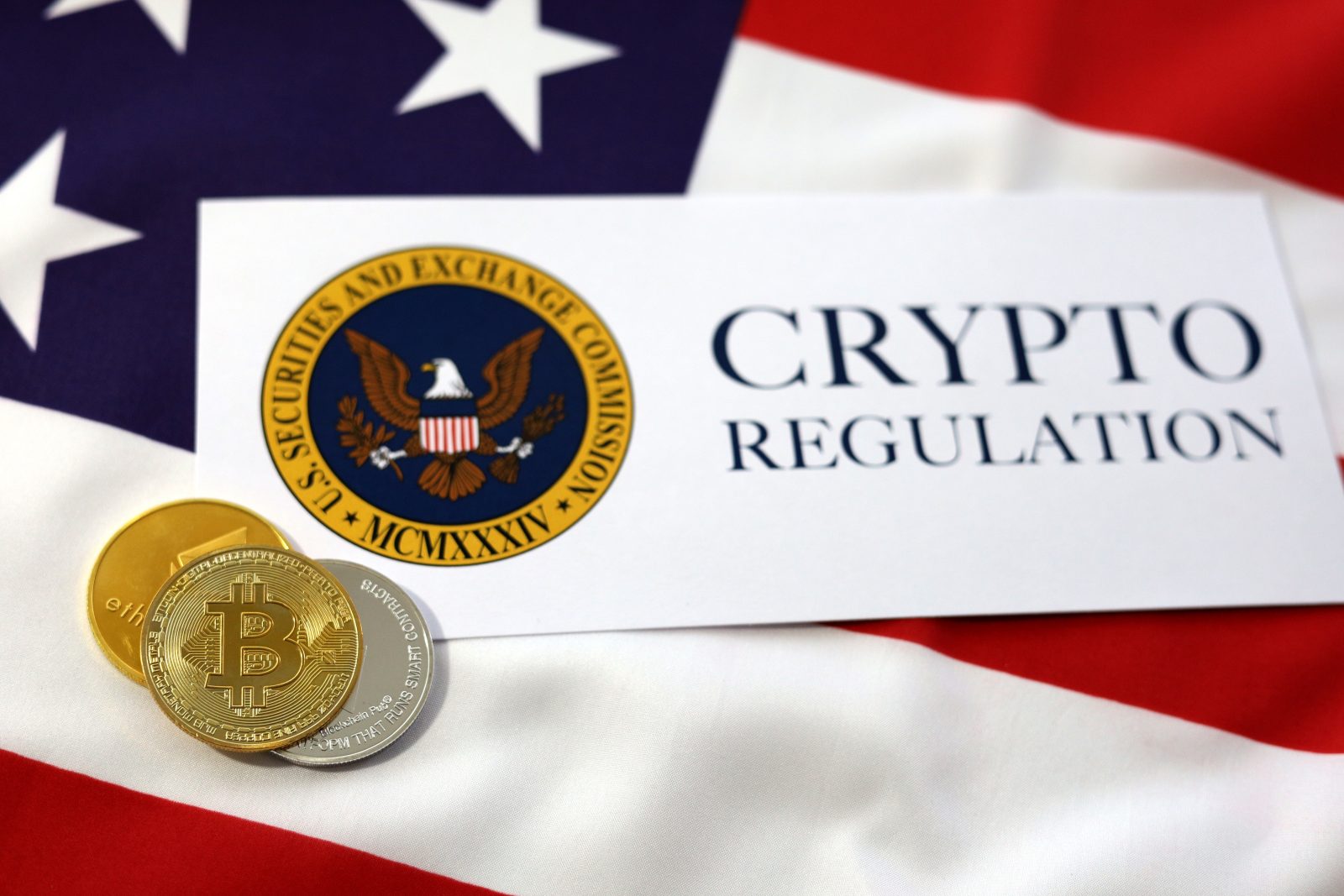
- The U.S. Securities and Exchange Commission has opened a public comment period to clarify how crypto assets should be treated under the OTC broker‑dealer reporting rule.
- This regulatory initiative highlights ongoing uncertainty about crypto custody, control, and compliance for intermediaries operating in U.S. markets.
- Crypto investors should prepare for potential shifts in trading structure, transparency requirements, and reporting obligations for OTC digital asset trades.
The U.S. Securities and Exchange Commission has formally requested public feedback on how the over‑the‑counter (OTC) broker‑dealer rule applies to crypto assets, signaling a move toward regulatory clarity in a sector historically defined by ambiguity. As digital asset trading volumes rise and institutional participation grows, the SEC’s initiative underscores the need to align market infrastructure with traditional securities frameworks while addressing the operational realities of blockchain-based assets.
Market Reaction: Crypto Prices and OTC Liquidity
Since the SEC announcement, overall crypto market sentiment has remained cautiously resilient. Major tokens such as Bitcoin and Ether have been trading within narrow ranges, while OTC trading volumes continue to serve as a critical liquidity indicator for institutional investors. Historically, OTC desks have accounted for 10–25% of institutional trading activity, meaning any regulatory adjustments could materially influence where large-scale trades are executed. Investors are closely monitoring liquidity conditions, particularly in tech-focused tokens, where execution efficiency and counterparty risk are paramount.
Regulatory and Technical Implications
The SEC’s comment request focuses on Rule 15c2‑11, which governs how broker‑dealers manage information on OTC securities and whether crypto asset securities should fall under its remit. The rule, originally designed for traditional equities and bonds, does not reflect the decentralized and blockchain-native nature of many crypto assets. Ambiguity in definitions of custody and control has left intermediaries uncertain about compliance without risking client assets or federal violations. Clarification could reshape OTC back-office operations, including recordkeeping, reporting, and custody protocols, creating a standardized framework for institutional crypto markets.
Investor Sentiment and Strategic Adjustments
For sophisticated crypto investors, the SEC initiative amplifies the premium placed on regulatory clarity. Many institutional participants cite compliance uncertainty as a barrier to deeper engagement in digital assets. The consultation process is likely to influence whether core tokens, such as Bitcoin and Ether, are treated differently from tokenized securities. Investors may strategically adjust exposure to OTC venues, decentralized liquidity pools, or custody providers in anticipation of new operational or reporting requirements, emphasizing risk management and capital efficiency.
Strategic Outlook: Preparing for Regulatory Shifts
Looking ahead, market participants should monitor the SEC’s feedback period and subsequent rulemaking closely. Potential outcomes include expanded reporting obligations for OTC brokers, formalized custody standards for digital assets, and compliance measures tailored to distributed ledger technology. These changes could influence execution costs, settlement efficiency, and institutional liquidity allocation. Investors and intermediaries who proactively adapt operational and compliance frameworks will be better positioned to navigate evolving regulatory expectations and maintain strategic flexibility in OTC crypto markets.
Comparison, examination, and analysis between investment houses
Leave your details, and an expert from our team will get back to you as soon as possible













Become our affiliate and watch your wallet grow—apply now!