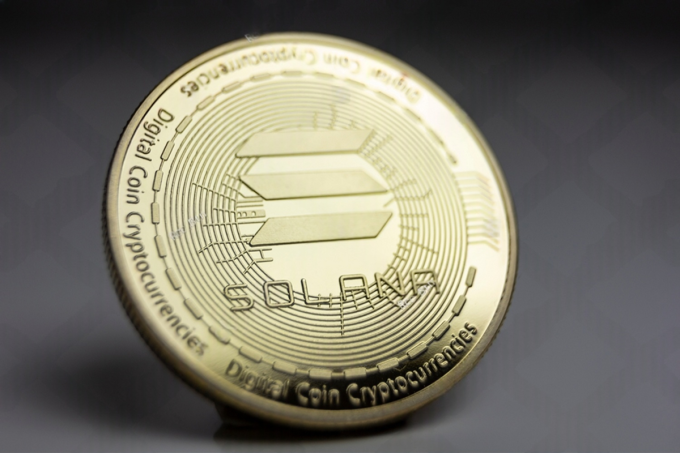
DeFi Development Corp. is expanding its Solana-focused strategy beyond accumulating SOL, launching a free public research platform designed to give investors a broader view of the network’s underlying activity. The initiative arrives as SOL trades near $96 and highlights a growing debate in crypto markets: whether Solana’s long-term value should be assessed through token price alone or through usage, staking, network economics and ecosystem growth.
State of Solana Puts Network Fundamentals in Focus
The Boca Raton-based company launched State of Solana on Wednesday, bringing market, network, staking, validator and ecosystem metrics into a single dashboard. The platform tracks SOL returns across five timeframes, historical price trends, live epoch progress, slot times, transaction throughput, estimated staking yields and inflation.
It also provides information on Solana decentralized-finance yields, cross-chain activity and validator stake distribution, including the Nakamoto coefficient, a measure of how many validators would theoretically need to coordinate to disrupt the network. By making the information available without a subscription or login, DeFi Development is effectively positioning network data as part of the investment case for Solana.
DeFi Development’s $208 Million SOL Treasury
The timing is significant because DeFi Development has built one of the largest corporate Solana treasury positions. As of August 10, the company held 2,294,576 SOL, valued at approximately $208 million at the figures cited in its disclosures.
That position makes the company the second-largest Solana treasury vehicle, behind Forward Industries, which holds roughly 7 million SOL. SOL was trading around $96.14 on Wednesday and had gained approximately 23% over the preceding seven days, demonstrating how quickly the value of such treasury strategies can change with the underlying token.
For DeFi Development, therefore, network fundamentals are more than an analytical exercise. Higher usage, staking activity and ecosystem growth could strengthen the long-term rationale for maintaining a large SOL treasury, while weaker network economics could expose the strategy to greater valuation pressure.
DFDV Shows the Gap Between Token and Equity Performance
The company’s own share performance illustrates why the distinction matters. DeFi Development, which trades under the ticker DFDV, was around $4.50, giving it a market capitalization near $140 million. The shares were down roughly 16% since the start of the year and approximately 72% from the previous year’s $16 closing level, despite the recent recovery in SOL.
The company’s June-quarter results also demonstrate the financial risks of operating a crypto treasury strategy. DeFi Development reported a $27.3 million net loss for the three months ended June 30 and a $110.7 million loss for the first six months. A $72.5 million net loss on digital assets was the largest contributor, while quarterly revenue was $3.3 million.
Why Investors May Look Beyond the Price
The new platform reflects a broader evolution in how institutional investors evaluate blockchain networks. Token appreciation remains important, but metrics such as throughput, validator concentration, staking economics, inflation and ecosystem activity can provide additional information about whether network adoption is expanding.
For Solana, that distinction is particularly relevant after periods of significant price volatility. State of Solana gives market participants a framework for separating short-term price momentum from underlying network developments. Going forward, the usefulness of the platform will depend on whether its data can demonstrate sustained growth in economically meaningful activity rather than simply stronger token prices. For investors assessing Solana-related exposure, that distinction could become increasingly important as corporate treasury strategies mature.
Comparison, examination, and analysis between investment houses
Leave your details, and an expert from our team will get back to you as soon as possible